
Featured guide
Air Layering Technique for Indoor Plants
Woody dicots and monocots use different wounding methods; do not interchange a bark ring and a deep stem cut. Support the stem, keep the rooting wrap…
Read the guideComplete care library
343 practical guides, searchable by plant, symptom, or care topic.
343 articles
Featured guide
Woody dicots and monocots use different wounding methods; do not interchange a bark ring and a deep stem cut. Support the stem, keep the rooting wrap…
Read the guideCare guide
Ordinary passive potted plants are not a practical replacement for source control, ventilation or appropriate filtration. Choose plants for their care…
Read the guide
Care guide
Keep the plant away from temperature extremes and observe conditions near its leaves. Identify the species rather than treating one humidity number as…
Read the guide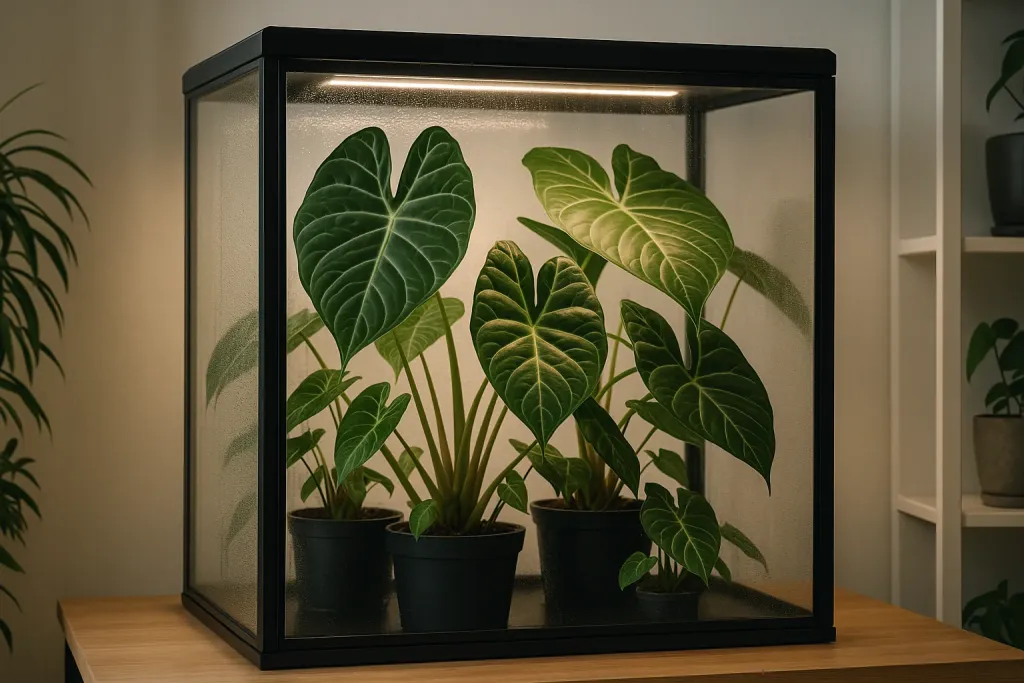
Care guide
A cabinet is an option for managing a small environment, not a guarantee against dormancy or damage. First record the plant's actual conditions and root…
Read the guide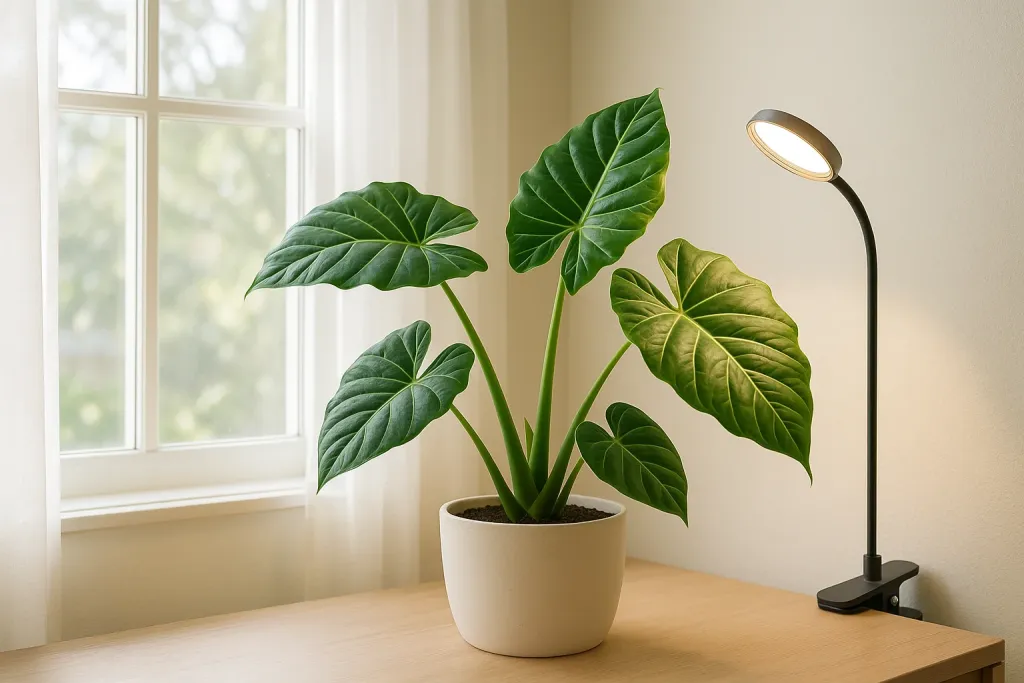
Care guide
Identify the species and assess light at its leaves. Change placement gradually and watch new growth, bleaching and heat. A window direction or fixed lamp…
Read the guideCare guide
Look beneath leaves and around leaf bases for live pests, webbing, cottony clusters or scale covers. Separate the plant while investigating. Match…
Read the guide
Care guide
Find live mites or their characteristic evidence before treating. For yellowing, check root-zone moisture, roots and recent changes rather than assuming a…
Read the guide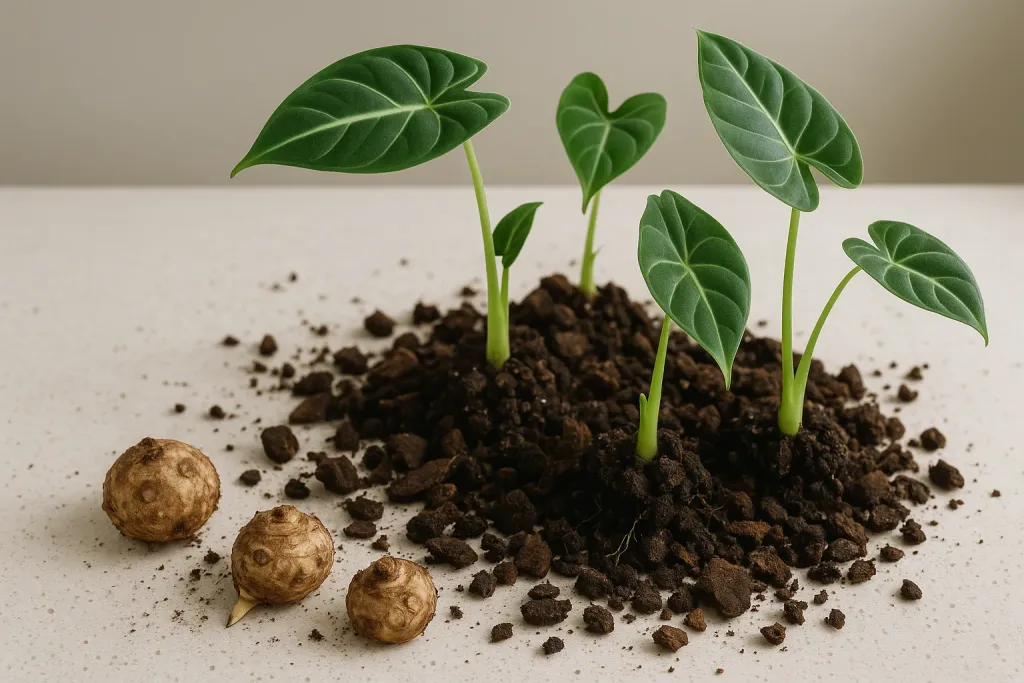
Care guide
Use identified offsets, divisions or corm material appropriate to the actual Alocasia. A leaf petiole is not interchangeable with a vining aroid stem…
Read the guideCare guide
Record the exact species or cultivar, source and root condition. Observe the new plant separately, then adjust light and environment gradually. Scarcity…
Read the guideCare guide
Check the root ball, drainage and current mix before treating yellow leaves as proof of crowding. Keep healthy roots intact, choose a pot proportionate to…
Read the guide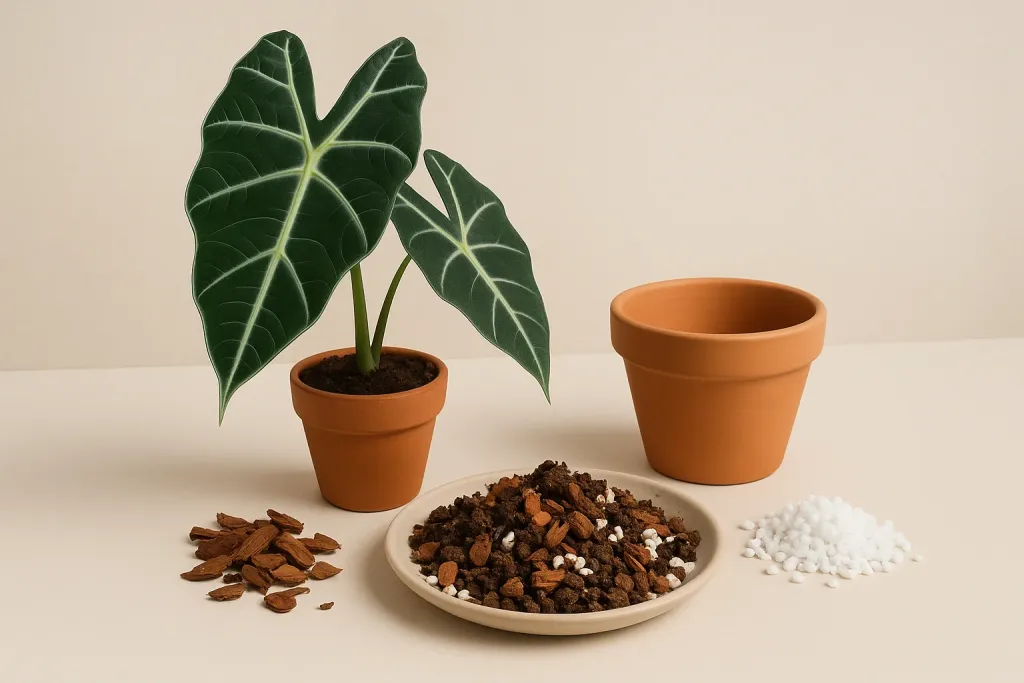
Care guide
Water retention and aeration must work together. Ingredient percentages are a starting recipe, not a guarantee across pot sizes, growing conditions and…
Read the guide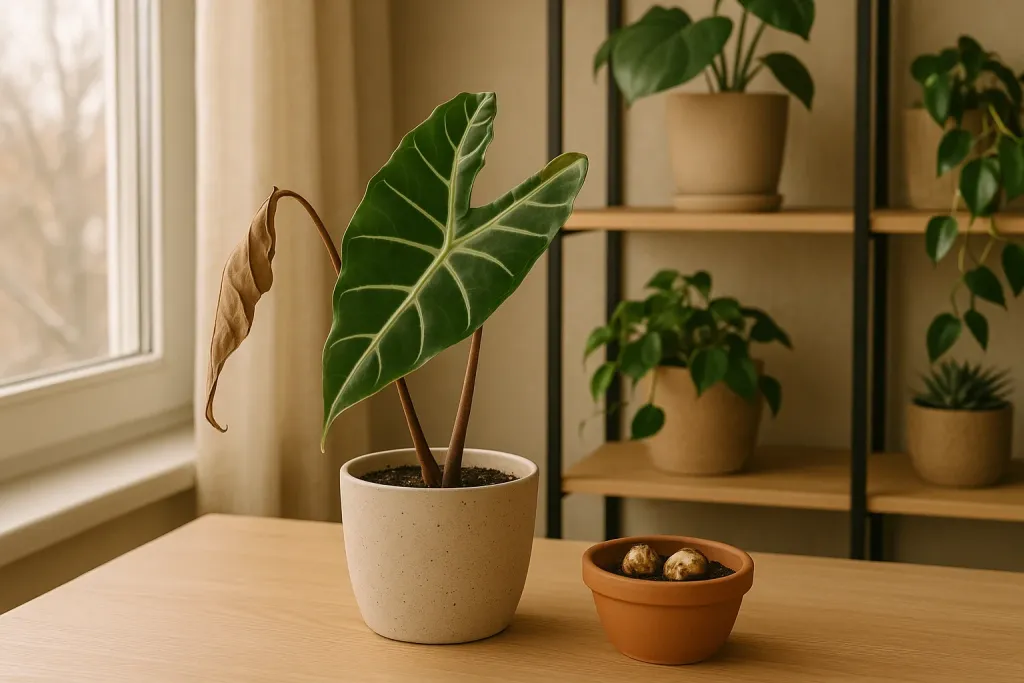
Care guide
Leaf loss alone does not confirm dormancy. Compare recent growth and conditions with the firmness of the roots and storage tissue. A soft, deteriorating…
Read the guideCare guide
Give the identified plant adequate light and a draining container, and check the root zone before watering. Household plant care does not establish that…
Read the guide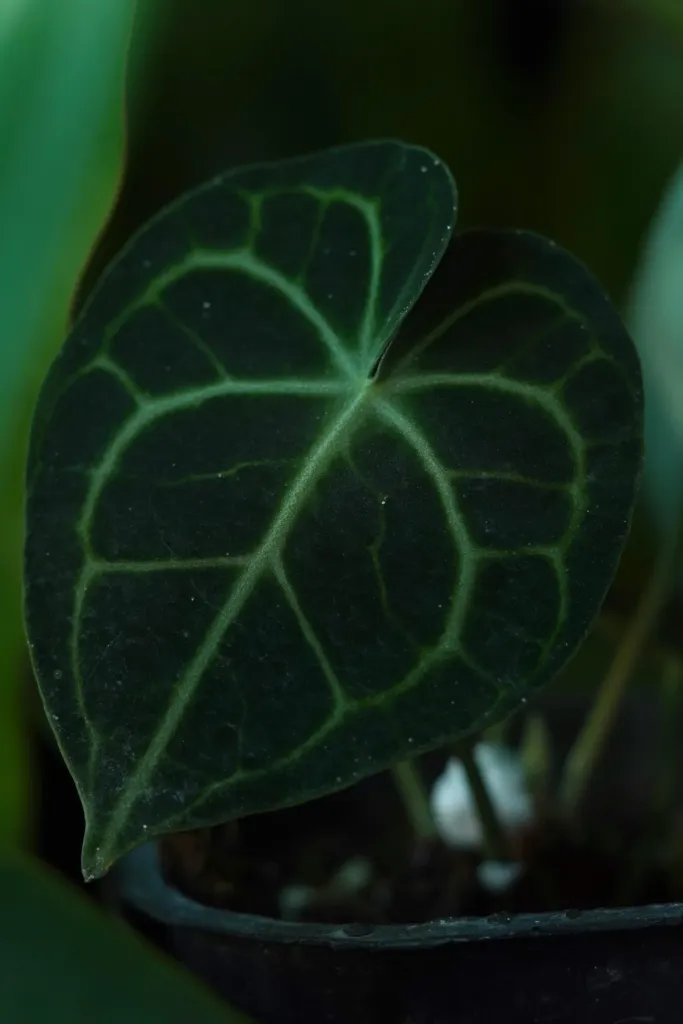
Care guide
Compare leaf shape, texture and venation on verified reference specimens, noting maturity and possible hybrids. One leaf or a seller label may not settle…
Read the guide
Care guide
Check light, current growth, root health and the nutrients already in the medium before changing feed. Use the actual fertilizer label. Greenhouse…
Read the guide
Care guide
Separate the plant if damage is spreading, inspect growing conditions, and minimize contaminated tools and splashing. Bacterial diseases, fungi and water…
Read the guideCare guide
Check the identified Anthurium, available light, root conditions and recent changes. Browning is not proof of low humidity. Keep room condensation and…
Read the guideCare guide
Choose ingredients for their actual moisture behavior, then test the blend in the intended container. A fast stream through one handful does not establish…
Read the guide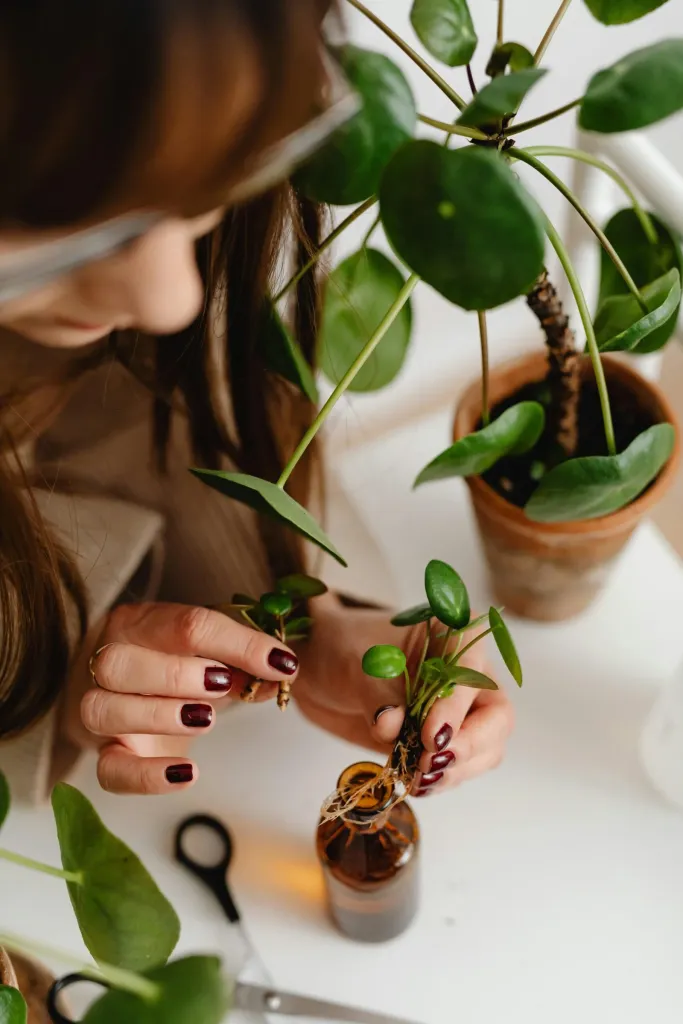
Care guide
A division needs roots and a viable growing point; a stem cutting needs viable stem tissue. A detached leaf or petiole alone is not the same thing.…
Read the guide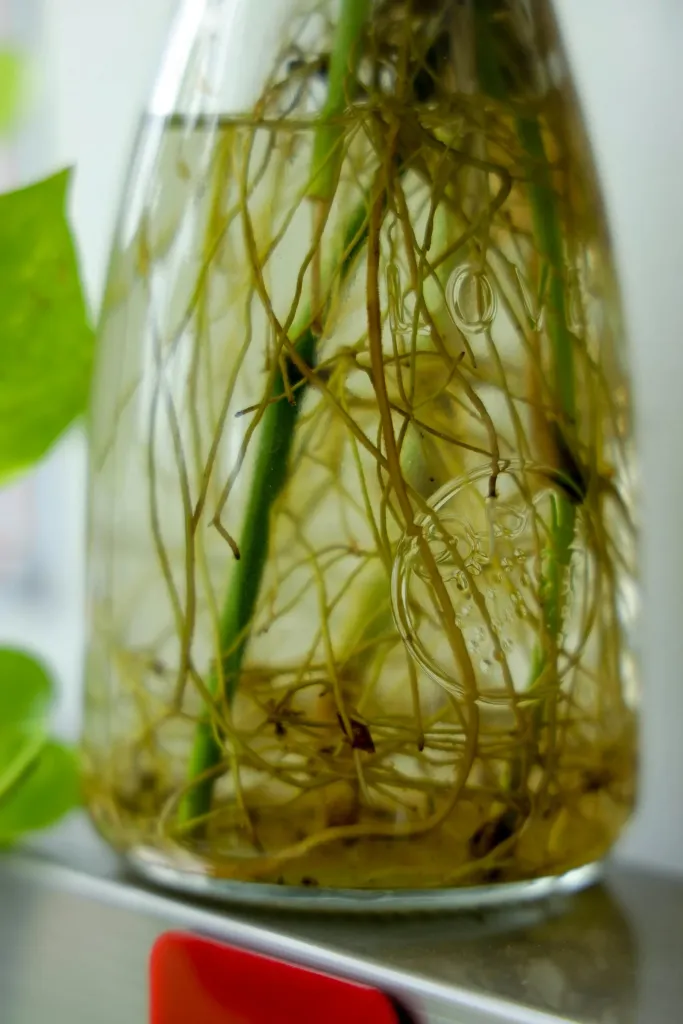
Care guide
A root above the pot is not automatically a problem. Start with the plant’s stability and root condition. Guide a flexible root gently if useful; avoid…
Read the guide
Care guide
Start with a healthy identified spare plant and a container you can drain and inspect. Read the actual medium and hydroponic-nutrient instructions. A…
Read the guideCare guide
Compare recent light exposure, moisture, roots, fertilizer use and live pests. Dead brown tissue will not turn green again. Track whether damage spreads…
Read the guideCare guide
“Velvet” and “blooming” describe what growers value about the plant. They do not establish one universal fertilizer ratio, repotting interval or humidity…
Read the guideCare guide
Aphids, thrips and whiteflies leave different clues. Inspect new growth, flower folds and leaf undersides, then separate the affected plant. Sticky cards…
Read the guide