
HomePlantBot care guide
Preventive Care: Soil Sterilization, Rinsing & Showers
Inspect new plants, keep tools and empty containers clean, remove debris and correct standing water.
Which preventive tasks does your plant actually need?
Inspect new plants, keep tools and empty containers clean, remove debris and correct standing water. Cleaning is different from disinfection. Do not routinely bake, microwave or chemically drench a healthy planted root zone, or substitute scheduled pesticide spraying for pest identification.
What you’ll learn in this article
- Why preventive plant care is crucial for long-term plant health
- How to sterilize soil at home using simple kitchen tools
- Effective plant rinsing and showering routines to combat pests
- When and how to use neem oil and mild insecticidal soap
- Disinfecting pots and tools to prevent cross-contamination
- When to consider stronger interventions like systemic treatments
Affiliate disclosure: HomePlantBot may earn from qualifying purchases through the Amazon links below, at no extra cost to you.
Introduction: Why Preventive Care Matters for Plant Health
The Problem
Invisible threats like root rot, spider mites, or fungus gnat infestations can wreak havoc on your houseplants seemingly overnight. Because these issues often start below the surface or on the undersides of leaves, catching them early is challenging—even for experienced plant parents.
The Solution
Practicing low-effort preventive care can dramatically reduce the likelihood of infestations, diseases, and accidental rot. These habits serve as an immune system for your plant collection, guarding against issues before they take root—literally.
To start off right, make sure you follow a proper new plant onboarding and quarantine process as soon as your new green friend arrives home. But your job doesn’t end there—routine preventive care keeps plants happy long-term.
Soil Sterilization: Kill Pathogens Before They Reach Your Plants
Choose a suitable clean commercial medium and prevent contamination. Household heating instructions are not supplied here as a universal validated sterilization method, especially for mixes with added fertilizer, wetting agents or other additives. Do not heat a planted root zone.
Rinsing and Showering Plants: A Simple Step with Big Impact
Rinse Away Dust, Pests, and Eggs
Dusty, stale-leafed plants don’t just look dull—they also photosynthesize less efficiently. Pests such as spider mites and aphid eggs can collect in crevices. Rinsing with water removes debris and uninvited guests with minimal effort.
How to Shower a Plant Safely
- Use lukewarm (not cold or hot) water to avoid shocking the plant.
- Hold the plant under a gentle stream or use a handheld sprayer.
- Angle leaves downward to prevent water pooling in leaf bases.
- Protect the soil with a plastic cover or by tilting the pot to avoid overwatering.
Frequency Tips
- Shower tropical or broad-leaved plants monthly
- Increase frequency during warm, pest-prone seasons
- Rinse plants after bringing them indoors from a balcony or yard
Neem Oil & Gentle Soaps: Low-Toxicity Preventive Treatments
Benefits of Neem Oil
Neem oil is a natural, biodegradable product derived from neem tree seeds. Neem formulations and their labeled targets differ. Identify the pest or disease and follow the exact product directions rather than treating neem as a universal gentle preventive.
How to Mix and Apply
Do not make a neem-and-dish-soap mixture or use a calendar spray as routine prevention. Identify a target first and follow the exact indoor-plant product label.
When to Use Mild Insecticidal Soap Instead
If neem oil isn’t available, opt for a ready-made mild insecticidal soap. Look for products labeled safe for indoor plants, and avoid spraying during bright daylight hours. Spot-test before applying to an entire plant.
Helpful products for this care problem
Helpful products for soil and repotting
If this is the issue you are solving, these tools can make the next step easier. They are optional, but they match the care problem covered in this article.
 Indoor potting mixA useful base when refreshing compacted or tired soil.View on Amazon (paid link) ↗Repotting matKeeps indoor repotting and root checks cleaner.View on Amazon (paid link) ↗
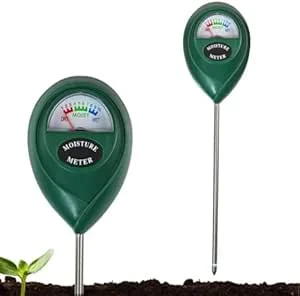 Soil moisture meterHelps check whether the root zone is actually ready for water.View on Amazon (paid link) ↗
As an Amazon Associate, HomePlantBot may earn from qualifying purchases.
Drying Plants and Pots Completely
Post-Shower Best Practices
After rinsing, don’t immediately return your plant to its decorative pot. Wet roots or containers that lack airflow can create a breeding ground for mold and root rot.
- Place plants in a warm, breezy area away from direct sun
- Allow runoff to drain and empty the cover pot; do not dry every living root ball completely after cleaning
Why It’s Essential
Moisture and airflow needs depend on the plant and stage; neither propagation nor established roots should be managed by a blanket wet-versus-dry rule. Taking this extra step keeps roots healthy and containers clean-smelling and mold-free.
Clean and Disinfect: Tools and Pots Matter Too
Between Repottings: Wipe Down and Soak
Containers used for repotting can transfer disease from one plant to another. Clean off any dirt, then sanitize:
- Bleach solution: Clean empty equipment first, then follow the actual disinfectant formulation and its concentration, contact time, material and rinsing directions
- Hydrogen peroxide: Do not call a disinfectant non-toxic or assume household peroxide is validated for every pathogen and material
Soak pots and saucers for 15–30 minutes before rinsing thoroughly and letting them dry.
Include Tools
Pruners, tweezers, moisture meters, and labels can all harbor pathogens.
- Wipe with 70% isopropyl alcohol between uses
- Label disinfected tools clearly for use between healthy and sick plants
Consider Systemic Treatments or Biological Controls If Needed
When Preventive Steps Aren’t Enough
Some issues—like deep-root rots or persistent mealybugs—may hide in nursery-grade soil or arrive despite your best efforts. When early interventions fail, it may be time to escalate carefully.
Options for More Active Control
| Treatment | Use Case |
|---|---|
| Systemic Insecticides | Severe sap-sucking pest outbreaks; use cautiously indoors |
| Beneficial Nematodes | Biological control for fungus gnats and some soil-dwelling pests |
| Predatory Mites | Targeted release for controlling spider mite infestations |
Use These as Last Resorts Only
Identify the problem and choose a suitable response promptly; do not impose a two-to-three-week delay or assume a home remedy is non-toxic.
Conclusion: Preventive Care Now Saves Stress Later
Building Gentle Habits = Stronger Plant Collections
Like brushing your teeth or wiping kitchen counters, preventive plant care doesn’t need to be intense to be effective. The more these habits become automatic, the less likely you are to battle major infestations or plant losses.
Don’t Wait for an Infestation
Adding an extra 10 minutes during your potting process or monthly watering session can prevent weeks of frustration later. Prevention is far easier—and cheaper—than recovery.
Keep Learning
Get your collection off to a solid start by reviewing our new plant onboarding guide.
Enjoyed These Tips?
Subscribe now for more practical houseplant care strategies, plant parent checklists, and simple tutorials—made especially for busy plant lovers like you.
Need help choosing the next care step?
If the symptoms in this article match your plant, use Plant Bot or the rescue checklist before buying anything. A quick diagnosis helps you fix the actual cause, not just the most visible symptom.
Quick decision checklist
- Refresh compacted mix before roots decline.
- Choose a pot size that matches the root ball.
- Check moisture deeper than the surface.
- Stabilize the plant after repotting before fertilizing.
A practical cleaning sequence
- Remove visible soil and plant debris from empty equipment.
- Wash surfaces and choose a disinfectant suitable for the material and target.
- Follow its concentration, contact time and rinse directions; never mix chemicals.
- Keep cleaned equipment separate from used equipment.
Sources for these corrections
This source check supports targeted corrections and practical guidance. It does not establish a complete fact-check of every legacy claim or a plant-growth trial.