
HomePlantBot care guide
Energy‑Smart Lighting & Humidifying
Indoor gardening has become more than just a hobby—it’s a lifestyle choice for many people seeking to enhance their spaces with lush, living greenery. But as the number of houseplant enthusiasts grows, so does awareness around the environmental footprint of indoor plant care.
What you’ll learn in this article
- How to sustainably light and humidify indoor plants
- Which energy-efficient tools are best for plant care
- Ways to reduce electricity use without sacrificing plant health
- Tips to avoid over-humidification and equipment waste
- Beginner-friendly suggestions that balance plant needs and the planet
Affiliate disclosure: HomePlantBot may earn from qualifying purchases through the Amazon links below, at no extra cost to you.
Introduction
Supplemental grow lights and humidifiers are often essential tools to keep plants healthy, especially in low-light homes or dry climate conditions. However, these devices use electricity and can add to your carbon footprint if not used mindfully.
This guide takes a beginner-friendly approach to sustainable lighting and humidifying, showing you how to care for your plants while also caring for the planet. Want to broaden your eco-conscious skills? Check out our full post on low-waste plant care practices.
Considering the Carbon Footprint of Plant Care Devices
Whether it’s an LED lamp or a humidifier humming away in the background, any device plugged into the wall draws power, and most of that energy still comes from fossil fuel-based grids. Too many hours of lights or excessive humidity production can add up—both in emissions and in utility bills.
Choosing the right devices—and using them smartly—can drastically reduce their environmental impact. By opting for energy-efficient models and eliminating unnecessary runtimes, you’re supporting broader sustainability goals like reduced electricity consumption and minimized household waste.
Choosing High-Efficiency LED Grow Lights with Appropriate Spectrum
Traditional grow lights, such as incandescent or fluorescent bulbs, tend to consume more power and give off heat, which can stress plants and overheat small indoor areas. In contrast, high-efficiency LEDs produce more usable light with significantly less energy.
What Does “Full Spectrum” Mean?
Full-spectrum LEDs mimic the natural sunlight your plants would receive outdoors. They provide both the blue light needed for vegetative growth and red light for flowering and fruiting, supporting healthy development from start to finish.
Choosing the Right Light for Your Plants
| Plant Type | Light Needs | Recommended Wattage per sq ft |
|---|---|---|
| Snake Plant, ZZ Plant | Low light | 10–15 watts |
| Monstera, Pothos | Medium light | 15–25 watts |
| Fiddle Leaf Fig, Herbs | Bright light | 25–40 watts |
Adjust placement and intensity according to the seasons and natural window light. Avoid over-lighting, which doesn’t benefit the plant and wastes energy.
Setting Timers or Smart Plugs to Reduce Energy Use
Smart plugs and outlet timers are a low-cost investment with big sustainability returns. These gadgets let you automate your grow lights and humidifiers, so they operate only when needed.
Most tropical houseplants thrive with 12–14 hours of light per day. Overlighting not only strains your electricity usage but may also interfere with your plants’ natural rhythms.
Use a timer or smart plug to:
- Program customized on/off schedules
- Monitor energy use via apps (for smart plugs)
- Avoid leaving devices on accidentally
These tools simplify sustainable care and remove the guesswork from your routine.
Comparing Ultrasonic and Evaporative Humidifiers for Energy Consumption
Humidity is essential for tropical plants, especially during cold or dry months. But not all humidifiers are created equal when it comes to energy efficiency.
Ultrasonic Humidifiers
- Use high-frequency vibrations to create a visible cool mist
- Generally more energy-efficient and quieter
- May require distilled water to prevent white dust
Evaporative Humidifiers
- Use a fan and wick filter to blow moisture into the air
- Tend to use more energy and be noisier
- More effective for large rooms or whole-home humidification
Quick Comparison Table
| Feature | Ultrasonic | Evaporative |
|---|---|---|
| Energy Use | Low | Moderate |
| Noise Level | Very Quiet | Moderate |
| Best For | Small- to Medium-sized Spaces | Larger Rooms |
| Maintenance | Frequent cleaning required | Filter changes required |
For smaller plant collections, an ultrasonic humidifier offers better energy savings and quieter performance.
Helpful products for this care problem
Helpful products for better indoor light
If this is the issue you are solving, these tools can make the next step easier. They are optional, but they match the care problem covered in this article.
 Clip-on grow lightUseful for dim rooms, winter care, and plants stretching toward light.View on Amazon (paid link) ↗Digital hygrometerHelps track humidity and temperature around sensitive plants.View on Amazon (paid link) ↗
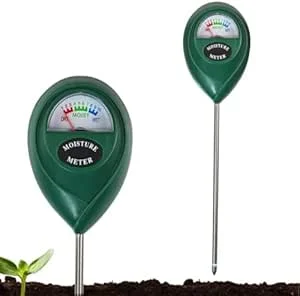 Soil moisture meterHelps check whether the root zone is actually ready for water.View on Amazon (paid link) ↗
As an Amazon Associate, HomePlantBot may earn from qualifying purchases.
Monitoring Humidity to Avoid Overuse and Prevent Mold
Excess humidity doesn’t make your plants thrive—it can cause mold, mildew, or even rot, and it wastes electricity. Hygrometers, small and inexpensive devices, help you measure exact humidity levels.
Target humidity ranges for common plants:
- Most tropicals: 50–60%
- Average houseplants: 40–50%
- Succulents and cacti: 30–40%
Use a basic hygrometer or invest in a smart monitor that syncs with your smartphone. Adjust output based on seasonal changes. Remember to ventilate high-humidity areas and avoid closing off rooms tightly when humidifying.
Balancing Plant Needs with Sustainability Goals
Sustainable plant care is about finding the sweet spot between plant health and energy efficiency. Start by identifying your goals:
- Is your priority vibrant growth or minimizing electricity use?
- Are you managing five plants or fifty?
One clever move is to group plants with similar humidity and light needs. This minimizes how many devices you need and makes maintenance more streamlined.
Also, consider including low-maintenance varieties like:
- ZZ Plants
- Sansevieria (Snake Plants)
- Cast Iron Plants
These plants thrive in average household conditions with minimal device intervention. Sustainability isn’t an all-or-nothing game—each small adjustment contributes to a lower-impact lifestyle.
Cleaning and Maintaining Devices for Maximum Efficiency
Just as your plants need water and nutrients, your care tools also benefit from regular maintenance to run efficiently and last longer.
Recommended cleaning frequency:
- Humidifiers: Every 1–2 weeks (and rinse after every use)
- Grow lights and fans: Wipe down monthly
Low-waste cleaning tips:
- Use a microfiber cloth and diluted vinegar solution (50/50 water-vinegar mix)
- Skip paper towels to reduce single-use waste
For devices with filters, try reusable filter options or dispose of disposable ones responsibly based on manufacturer instructions. A clean device operates more effectively and helps you get the most from your investment.
Conclusion: Key Takeaways & Encouragement
Making your plant care routine more energy-smart doesn’t require perfection—just a few mindful changes can have a big impact. Here’s a quick recap:
- Choose efficient, full-spectrum LED grow lights
- Use smart plugs or timers to reduce runtime
- Pick energy-efficient humidifiers for your space
- Monitor and adjust humidity with simple tools
- Group plants with similar care needs
- Clean equipment regularly for longer life and better performance
Start with one or two upgrades and build from there. For more sustainable plant care tips, visit our full guide here.
With every small change, you’re not only creating a thriving indoor jungle—you’re also cultivating a more sustainable world. Happy growing!
Resources & Starter Kit
Ready to get started? Here’s a checklist of beginner-friendly tools:
- LED Grow Light (full spectrum, under 25W)
- Smart Plug or Timer
- Compact Ultrasonic Humidifier
- Basic Hygrometer
Explore online communities or local gardening groups focused on sustainability. Recommended reads:
- EPA Energy Saving Tips
- Penn State Extension: Indoor Plant Care
- Renewable Energy Communities & Resources
Need help choosing the next care step?
If the symptoms in this article match your plant, use Plant Bot or the rescue checklist before buying anything. A quick diagnosis helps you fix the actual cause, not just the most visible symptom.
Quick decision checklist
- Increase light gradually to avoid scorch.
- Rotate the plant for even growth.
- Water less in lower light.
- Watch color and leaf posture for feedback.