
HomePlantBot care guide
Indoor Ferns Propagation methods
Not as a general method.
Can I root a cut fern frond like a pothos vine?
Not as a general method. Boston and maidenhair ferns should not be given ordinary vine-node cutting instructions. Choose division of a suitable established clump, a species that naturally makes plantlets or runners, a verified rhizome method, or spores. A frond stalk is not interchangeable with a viable growing rhizome.
What you’ll learn in this article
- The most effective ways to propagate ferns indoors
- Step-by-step techniques using water, soil, division, and more
- How to care for new fern plants and avoid common mistakes
Affiliate disclosure: HomePlantBot may earn from qualifying purchases through the Amazon links below, at no extra cost to you.
Introduction to Propagation
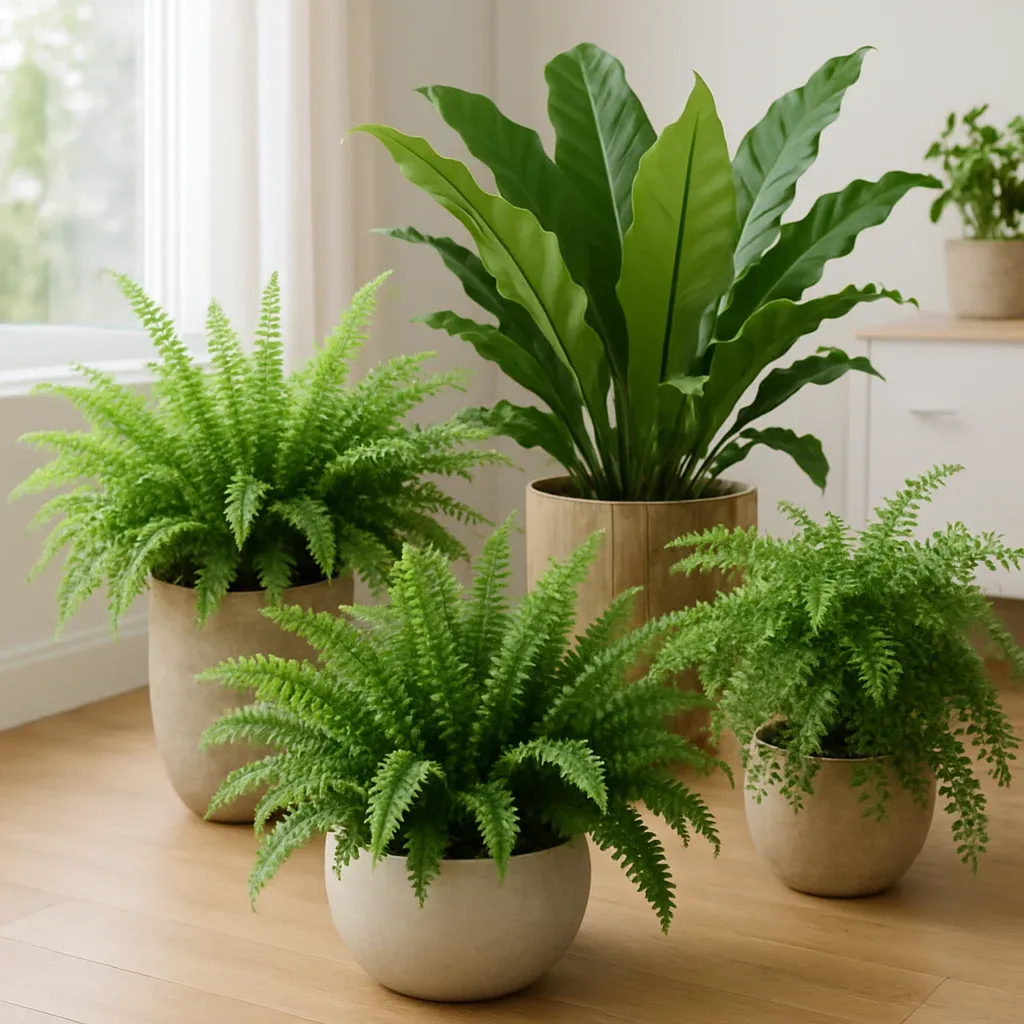
Propagating indoor ferns is a fulfilling way to expand your plant collection, save money, and even share your lush greenery with friends. Many ferns adapt well to indoor conditions and respond notably to propagation. Popular varieties like Boston ferns, maidenhair ferns, and bird’s nest ferns are excellent candidates for propagation efforts.
Unlike other houseplants, ferns have unique structures and lifecycles that require special techniques to propagate successfully. Understanding these requirements will increase your success and plant survival rate. For a refresher on the basics of keeping ferns healthy indoors, check out our complete guide to indoor fern care for common ferns.
Stem Cuttings in Water
Ordinary frond stalks of Boston and maidenhair ferns should not be treated as pothos-like vine cuttings. Choose a method verified for the identified fern instead.
Tools and Materials Needed
For a suitable division, prepare clean cutting tools, a draining container and an appropriate moist potting mix; a jar does not make a frond into a viable growing point.
Step-by-Step Instructions
Inspect the actual crown or rhizome. Separate a suitable established clump only when each part retains viable growing tissue and roots; do not cut frond stalks at imaginary vine nodes.
Timeline for Root Development
No general two-to-four-week rooting date applies to these frond cuttings. Judge a verified propagation method by viable tissue, roots and new growth.
Best Fern Types for Water Cuttings
Boston fern and maidenhair fern are not established here as ordinary water-frond-cutting candidates. Asparagus plants are flowering relatives with separate seed or division guidance, not true ferns.
Stem Cuttings in Soil
Putting a detached frond stalk into soil does not turn it into a viable rhizome or crown. Use a species-appropriate division, natural plantlet, verified rhizome section or spore method.
Supplies
Use clean equipment and a container and medium appropriate to the identified species; rooting hormone cannot substitute for viable growing tissue.
Instructions
For a suitable division, preserve a viable growing point and roots, pot at the appropriate depth and maintain species-appropriate moisture. Do not follow a generic vine-node insertion method.
How to Know It’s Working
Assess establishment by sustained healthy growth and root condition. A tug or an arbitrary three-to-five-week interval is not proof that an unsuitable frond cutting has rooted.
Air-layering Technique
Generic woody-stem air-layering is not a general method for Boston or maidenhair ferns. Avoid notching a frond stalk and expecting it to become a new plant.
Tools
Choose tools for a verified fern method rather than preparing a notching procedure; identify the growing structure before cutting.
Steps
Use division only for an appropriately structured healthy plant, natural plantlets or runners where the species produces them, suitable rhizome material or spores. Seek species-specific instructions for unusual ferns.
Pros and Cons
No comparative success or shock rating for fern air-layering is established here. The useful choice is a biologically appropriate method with viable growing tissue.
Helpful products for this care problem
Helpful products for humidity and fern recovery
If this is the issue you are solving, these tools can make the next step easier. They are optional, but they match the care problem covered in this article.
 Room humidifierUseful when dry air causes crispy leaves or fern decline.View on Amazon (paid link) ↗Digital hygrometerHelps track humidity and temperature around sensitive plants.View on Amazon (paid link) ↗Long-spout watering canMakes careful watering easier around dense foliage.View on Amazon (paid link) ↗
As an Amazon Associate, HomePlantBot may earn from qualifying purchases.
Division and Offshoots
Division is the simplest and most dependable propagation method for most bushy ferns. It works best during repotting or when the fern is less actively growing.
Step-by-Step Process
- Gently remove the fern from its pot and shake off excess soil.
- Identify natural separations in the root ball or visible offshoots.
- Using your hands or a clean knife, separate the plant into sections—each with roots and healthy leaves.
- Replant divisions into fresh pots with moist soil and water lightly.
Best Suited For
- Boston ferns
- Kimberly Queen ferns
- Staghorn ferns (pups or shields)
Wet Sticks and Nodes
A fern rhizome is not interchangeable with a bare vine node or a frond stalk. Rhizome propagation is appropriate only for a species and section with verified viable growing points.
Setup Instructions
Identify the rhizome and growing points before taking any material. Follow species-specific placement and moisture requirements, preserve viable tissue, and avoid cutting up a weak crown as a rescue experiment.
Aftercare and Transplanting
Transplant only established material from a method appropriate to the identified fern: a viable division, natural plantlet or runner, verified rhizome section or spore-grown young plant. An ordinary cut frond stalk is not made eligible by waiting for roots.
Transplanting Guide
- Choose pots that are just slightly larger than the root system
- Use rich, well-draining potting mix formulated for ferns
- Keep soil consistently moist but not soggy
Light & Moisture Needs
Provide light, moisture and humidity appropriate to the identified species. Routine leaf misting is not sustained humidity control.
Fertilization
Wait 3–4 weeks before applying a diluted liquid fertilizer to give the roots time to establish. Apply monthly during the growing season.
For more tips on continued care, refer to our master guide on indoor ferns care.
Troubleshooting and Tips
Common Issues & Fixes
| Issue | Possible Cause | Solution |
|---|---|---|
| Propagation material turning mushy: check viable growing tissue and the species-appropriate method before adjusting conditions. | Overwatering or contaminated water | Change water regularly, use sterile tools |
| No root formation | Incorrect propagation structure, damaged growing tissue or unsuitable conditions; do not assume an ordinary frond stalk has a vine node. | Try a different location or use a humidity dome |
| Mold on medium | Poor air circulation | Uncover periodically or add ventilation |
Pro Tips
- Always use sterilized tools to avoid introducing disease
- Keep logs or photos to monitor growth over weeks
- If one method fails, try another—division usually offers the highest success rates
Which Propagation Method Fits Best?
Not every fern responds to the same propagation approach. This quick comparison helps you choose the least frustrating method first.
| Method | Best for | Good to know |
|---|---|---|
| Division | Mature, multi-crown ferns | Usually the fastest and most reliable indoor option |
| Runners or plantlets | Species that naturally produce offsets | Great for low-stress propagation |
| Spores | Growers who enjoy patience and experimentation | Slow, but rewarding if you want many plants |
| Rhizome sections | Certain spreading fern types | Needs clean cuts, warmth, and steady moisture |
Conclusion
Use methods verified for the identified fern: suitable division, natural plantlets/runners, specific rhizome sections or spores. Ordinary water-rooted frond cuttings and generic air-layering instructions should not be used for Boston or maidenhair ferns.
Try different techniques to discover what works best with your favorite fern types. Remember, propagation success often requires patience—but the reward is more lush, green beauty in your indoor garden!
Have questions about propagating your particular fern variety? Drop a comment below or explore our full guide on indoor fern care.
Need help choosing the next care step?
If the symptoms in this article match your plant, use Plant Bot or the rescue checklist before buying anything. A quick diagnosis helps you fix the actual cause, not just the most visible symptom.
Quick decision checklist
- Track humidity before guessing.
- Keep soil evenly moist, not swampy.
- Avoid cold drafts and hot dry vents.
- Increase humidity gradually around sensitive foliage.
Sources for these corrections
These references support the identified care and evidence limits; they do not establish a universal formula, timetable or product endorsement.