
HomePlantBot care guide
Office‑Friendly Plants
From high-rise corporate offices to creative coworking spaces, more workplaces are turning to greenery for a natural boost. Office plants are no longer a novelty—they’re valued additions to workstations, meeting rooms, and lounges alike. What’s driving this greenery trend? For many businesses, plants offer a simple, low-cost decor solution that also brings wellness benefits to the table.
What you’ll learn in this article
- Identify the best plants for your office based on lighting, care levels, and space.
- Learn practical maintenance tips for keeping office plants healthy.
- Discover how indoor plants enhance air quality and employee well-being.
Affiliate disclosure: HomePlantBot may earn from qualifying purchases through the Amazon links below, at no extra cost to you.
Introduction
However, not every plant will thrive in an office. Some require too much care or can’t survive without direct sunlight—clearly not ideal when weekend watering isn’t guaranteed or natural light is limited. That’s why choosing the right office-friendly plant is critical.
In this post, we’ll explore which plants love office life and how to keep them healthy even in less-than-ideal conditions. “Office-friendly” in our context means low-maintenance, resilient, and well-suited for indoor environments.
Challenges of Typical Office Environments
Before picking a plant, it’s important to understand the challenges specific to indoor workplaces:
- Low or inconsistent lighting: Many offices lack natural light or have fluorescent bulbs that aren’t plant-friendly.
- Irregular care routines: Plants might be forgotten over weekends or vacations with no one assigned to care for them.
- Temperature fluctuations: Air conditioning in summer and heating in winter can cause temperature stress on plants.
- Limited space: Small desks and communal areas may only accommodate compact plants.
- Shared environments: Considerations like coworkers with allergies, asthma, or sensitivities come into play.
Best Plants for Low Light & Irregular Care
The following plants check all the boxes for office suitability: they’re forgiving, adaptable, and stylish, too.
| Plant | Ideal For | Care Difficulty |
|---|---|---|
| Snake Plant (Sansevieria) | Low-light corners, solo desks | Very Easy |
| ZZ Plant (Zamioculcas zamiifolia) | Drought-prone offices | Very Easy |
| Pothos (Epipremnum aureum) | Hanging planters or shelves | Easy |
| Peace Lily (Spathiphyllum) | Reception desks, shared pods | Moderate |
| Cast Iron Plant (Aspidistra elatior) | Low-energy zones with temperature swings | Easy |
Each of these has proven its resilience indoors. Want more ideas? Visit our Houseplant Types Selection guide for a broader list by size, light level, or maintenance needs.
Easy-Care Tips for Office Plants
Even the hardiest plant needs some TLC. These hacks can help keep your greenery thriving with minimal effort:
- Use self-watering pots or set up reminders via plant care apps or shared calendars.
- Choose soil mixes designed for indoor use—well-draining compositions prevent root rot.
- Dust leaves once a month using a microfiber cloth to unblock light absorption.
- Rotate plants weekly so all sides get some light, promoting even growth.
- Apply fertilizer quarterly using a diluted, low-nutrient formula suited for houseplants.
Helpful products for this care problem
Helpful products for this plant care problem
If this is the issue you are solving, these tools can make the next step easier. They are optional, but they match the care problem covered in this article.
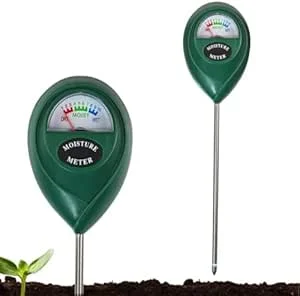 Soil moisture meterHelps check whether the root zone is actually ready for water.View on Amazon (paid link) ↗
 Digital hygrometerHelps track humidity and temperature around sensitive plants.View on Amazon (paid link) ↗Clip-on grow lightUseful for dim rooms, winter care, and plants stretching toward light.View on Amazon (paid link) ↗
As an Amazon Associate, HomePlantBot may earn from qualifying purchases.
Choosing Between Desk Plants and Floor Plants
Desk Plants
For cubicle dwellers or solo desks, compact plants that don’t sprawl are essential. Desk-friendly options include:
- Succulents: Require bright light but minimal watering.
- Air plants (Tillandsia): Soil-free and easy to mist.
- Mini Pothos: Keep trimmed to small containers.
Choose pots that don’t crowd your workspace—generally, the diameter should be under 5 inches for tight areas.
Floor Plants
Have extra floor space in a corner or reception area? Larger plants make an instant statement.
- Dracaena: Tall and sculptural with air-purifying properties.
- Fiddle Leaf Fig: Trendy and bold with large leaves (needs moderate light).
- Rubber Plant: Thick foliage, tolerates low light, pet-safe varieties available.
Opt for ceramic or woven baskets with saucers to catch excess water and prevent floor damage.
Safety and Space Tips
- Position larger plants outside main walkways to avoid tripping hazards.
- Verify plant toxicity if pets or small children are in the workplace.
Additional Benefit: How Plants Improve Office Air Quality
Adding greenery isn’t just for aesthetics. The right plants can significantly improve air quality according to NASA research. Benefits include:
- Removing toxins: Plants filter out common office VOCs such as formaldehyde, benzene, xylene, and ammonia.
- Increasing humidity: This helps reduce dry eyes, skin, and nose irritation caused by HVAC systems.
- Reducing airborne particles: Plants naturally trap dust and may reduce allergens.
Wellness Benefits
In addition to physical benefits, studies show psychological uplift:
- Reduced stress and anxiety
- Improved focus and cognitive retention
- Boosted overall morale and job satisfaction
Pairing plant care with wellness initiatives such as meditation zones or natural lighting enhances these effects further.
Final Thoughts: A Greener Office is a Happier Office
To recap, office-friendly greenery should match your workspace’s light, size, and schedule needs. Just one well-placed plant can refresh a space and improve your workday. Start small and experiment—your perfect plant might surprise you.
Not sure where to start? Browse our master list of favorites tailored for indoor settings at /houseplant-types-selection.
Quick FAQ
What if my office has no windows?
Stick with low-light champions like ZZ Plants or use a grow light if needed. Fluorescent lighting may suffice for some hardier varieties.
Are there non-toxic plants safe around pets or kids?
Yes—look for options like the Parlor Palm, Spider Plant, or Baby Rubber Plant. Always double-check toxicity with ASPCA or nursery sources.
How can I keep plants alive when I travel?
- Use self-watering pots or water globes.
- Set calendar reminders for someone nearby to check in.
- Group plants together out of direct sun to preserve moisture.
How to Build This in Make.com
Want to automate care reminders for your office plants? Here’s how to build it in Make.com:
- Google Calendar Module: Schedule weekly or biweekly events tagged “Plant Watering.”
- Gmail or Slack Module: Send automatic reminders to team members or yourself on watering days.
- Filter: Use a filter to only send reminders Monday–Friday.
- Delay Module: Add a delay if needed to stagger reminders for specific plant types or areas.
- Optional Webhook Module: Collect plant care feedback from team check-ins into a Google Sheet.
This automation keeps your plant care consistent—even during busy weeks.
Need help choosing the next care step?
If the symptoms in this article match your plant, use Plant Bot or the rescue checklist before buying anything. A quick diagnosis helps you fix the actual cause, not just the most visible symptom.
Quick decision checklist
- Check the growing conditions before changing everything.
- Adjust one care factor at a time.
- Use symptoms to guide the next step.
- Give the plant time to respond after corrections.