
HomePlantBot care guide
Water Quality & Plant Nutrition Science: The Complete Guide
Many new plant owners struggle with browning leaves, drooping stems, or slow growth—often without knowing that water quality and plant nutrition are at the root of these issues. Water isn’t just hydration; it’s a transporter for essential nutrients. And fertilizing isn’t just about ‘feeding your plants’—it’s about balance.
What you’ll learn in this article
- Understand why water quality is critical for healthy plants
- Learn which water type to use for your houseplants
- Identify essential nutrients and how deficiencies show up
- Discover how pH and water chemistry affect nutrient uptake
- Choose the right fertilizer and feeding techniques
- Use simple tools like pH and EC meters for better care
- Build a science-based, beginner-friendly plant care routine
Affiliate disclosure: HomePlantBot may earn from qualifying purchases through the Amazon links below, at no extra cost to you.
Introduction
Common mistakes like overwatering, using hard tap water, or applying the wrong fertilizer can lead to long-term plant stress. But the good news? With a little science and a lot of observation, you can avoid these problems and help your houseplants thrive with vibrant color, better growth, and stronger resistance to pests and disease.
The Importance of Water Quality and Balanced Nutrition for Houseplants
Water acts as the medium through which plants receive essential nutrients from soil or fertilizer. If your water contains excessive minerals, chlorine, or is too acidic or alkaline, it can block nutrient absorption or damage roots over time.
Nutrition matters too. Plants need the right balance of macronutrients and micronutrients to grow properly. Too much or too little of any nutrient—whether from water or fertilizer—can lead to leaf yellowing, curling, or stunted growth.
Comparing Tap, Distilled, Filtered, and Rainwater: Which is Best for Plants?
| Water Type | Pros | Cons |
|---|---|---|
| Tap Water | Convenient and inexpensive | May contain chlorine, chloramine, fluoride, or minerals harmful to sensitive plants |
| Distilled Water | Very pure; no minerals or chemicals | Lacks beneficial minerals; may require added nutrients |
| Reverse Osmosis (RO) | Highly filtered; reduces contaminants | Strips out helpful minerals too; expensive systems |
| Rainwater | Soft, slightly acidic, often ideal for most plants | May contain pollutants or pathogens if collected improperly |
The best water source depends on your plant type and your local water quality. Sensitive tropicals often prefer distilled or filtered water, while hardier plants may be fine with tap water.
Learn how tap water chemicals affect plants
Essential Macronutrients and Micronutrients Plants Need
Just like humans, plants need a mix of key nutrients to grow. These fall into two categories:
Macronutrients (N-P-K)
- Nitrogen (N): Supports leafy growth and green foliage
- Phosphorus (P): Encourages root and flower development
- Potassium (K): Enhances overall strength, drought tolerance, and disease resistance
Micronutrients
- Iron (Fe): Prevents chlorosis (yellow leaves with green veins)
- Magnesium (Mg): Vital for photosynthesis and leaf color
- Calcium (Ca): Needed for strong cell walls and root health
- Others include Zinc (Zn), Copper (Cu), Manganese (Mn), Boron (B), and Molybdenum (Mo)
Deficiencies show specific symptoms. For example: magnesium deficiency causes interveinal yellowing, and calcium deficiency can lead to new leaves twisting or stunting.
How to recognize nutrient deficiencies
How pH and Water Composition Influence Nutrient Availability
pH (potential of hydrogen) affects how nutrients dissolve in water and soil. Most houseplants prefer a slightly acidic environment (pH 5.5–6.5). Outside this range, nutrients become “locked out”—present but unusable.
Common Issues with Improper pH
- High pH (alkaline): Iron, zinc, and manganese become inaccessible, causing yellowing
- Low pH (acidic): May lead to toxicity of certain elements like aluminum
Tap water with high mineral content can raise soil pH over time. Monitoring and adjusting pH as needed can help avoid these problems.
Learn pH and EC basics for soil and semi-hydro setups
Helpful products for this care problem
Helpful products for water quality and humidity stress
If this is the issue you are solving, these tools can make the next step easier. They are optional, but they match the care problem covered in this article.
 Digital hygrometerHelps track humidity and temperature around sensitive plants.View on Amazon (paid link) ↗
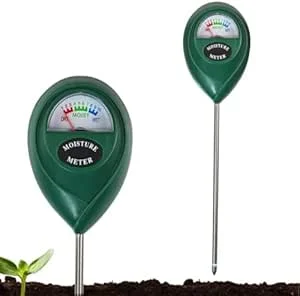 Soil moisture meterHelps check whether the root zone is actually ready for water.View on Amazon (paid link) ↗Long-spout watering canMakes careful watering easier around dense foliage.View on Amazon (paid link) ↗
As an Amazon Associate, HomePlantBot may earn from qualifying purchases.
Identifying and Remedying Nutrient Deficiencies
Some common signs to watch for:
- Yellowing or browning leaves (especially between veins)
- Leaf curl or distortions
- Stunted growth or weak stems
How to Distinguish Problems
Many issues mimic one another. Overwatering can appear similar to a magnesium deficiency. Always rule out water quality, pests, and root health before assuming nutrient problems.
Flushing the soil—running large amounts of clean water through the pot—can help reset nutrient buildup or pH imbalance.
Signs of specific deficiencies
Best Practices for Watering Frequency, Volume, and Water Source
No two plants have the same thirst. Match your watering routine to the species, season, and environment.
Tips for Smarter Watering
- Water thoroughly when the top inch of soil is dry
- Use pots with drainage holes to prevent root rot
- In winter, reduce watering as plant growth slows
- Consider bottom-watering for sensitive roots
- Match water type to plant sensitivity (e.g., avoid fluoride for peace lilies)
Fertilizer Basics: Organic vs Synthetic, Liquid vs Granular, How to Feed
Fertilizer Types
- Organic: Derived from plant or animal materials; slower to absorb but better over time
- Synthetic: Fast-release and affordable, but risk of overfertilization
Format Choices
- Liquid: Easy to apply; great for regular feeding
- Granular/Slow-release: Longer lasting, lower maintenance
- Spikes: Pre-measured but may not distribute evenly
Always dilute liquid fertilizer to the recommended strength and store in a cool, dark place.
How to mix and store fertilizers safely
When foliar feeding is a good idea
Using Tools: EC and pH Meters to Monitor and Adjust Your Routine
Inexpensive meters can take the guesswork out of your watering and feeding routine.
What EC Tells You
EC (Electrical Conductivity) measures total dissolved salts (TDS) in your water or nutrient mix. High EC means high nutrient concentration—possibly too much if there’s buildup.
What pH Meters Help With
Use a digital pH pen or test strips to check your water or nutrient solution. If you’re growing in soil, measure the runoff water after a watering to understand your media’s pH.
Beginner tools to track EC and pH
Conclusion: Integrating Water Quality & Nutrition Knowledge for Healthy Plants
Understanding the science of water quality and plant nutrition empowers you to care more effectively for your houseplants. Choosing the right type of water, feeding your plants correctly, and diagnosing minor issues early can transform your plant care routine from frustrating to joyful.
Keep observing, experimenting, and adjusting. Over time, you’ll develop an intuition backed by science—and your plants will thank you for it with lush, vibrant growth.
Need help choosing the next care step?
If the symptoms in this article match your plant, use Plant Bot or the rescue checklist before buying anything. A quick diagnosis helps you fix the actual cause, not just the most visible symptom.
Quick decision checklist
- Use symptoms to separate dry air from inconsistent watering.
- Track humidity before changing the whole setup.
- Water carefully and avoid repeated shallow sips.
- Consider filtered water for sensitive leaf edges.