
HomePlantBot care guide
Hoyas Feeding & fertilising
Not automatically.
Does a non-flowering Hoya need bloom fertilizer?
Not automatically. Check identity, maturity, light, roots and recent feeding before assuming a nutrient deficiency. Use a complete suitable product according to its actual label and account for nutrients already in the medium. Kitchen infusions and extra phosphorus are not demonstrated general solutions for absent flowers.

What you’ll learn in this article
- Why Hoyas need feeding and how their indoor needs differ from the wild
- Understanding essential macro and micronutrients for healthy Hoya growth
- How to read NPK ratios and choose the right fertiliser
- Seasonal fertilising schedules and adjustments for climate or grow lights
- Common signs of nutrient deficiency and overfeeding in Hoyas
- Application techniques and the pros and cons of each method
- Organic and homemade fertiliser options to consider
Affiliate disclosure: HomePlantBot may earn from qualifying purchases through the Amazon links below, at no extra cost to you.
Introduction to Plant Nutrition
Why Hoyas Need Extra Nutrients
Hoyas are native to tropical and subtropical regions where they grow in nutrient-rich, humid environments—often as epiphytes clinging to trees. Indoors, however, your Hoya relies entirely on the potting mix you provide. Most commercially sold potting soils lack the sustained nutrients needed for prolonged healthy growth. That’s where fertilising comes in.
Overview of Nutritional Needs of Hoyas
Hoyas benefit from a consistent feeding regimen that delivers the right balance of:
- Macronutrients: Nitrogen (N), Phosphorus (P), and Potassium (K)
- Iron and zinc are micronutrients; calcium and magnesium are secondary macronutrients. Check all nutrients supplied by the formulation.
These nutrients drive everything from foliage growth and strong stems to prolific flowering.
For a broader understanding of Hoya upkeep, see our Hoya Care Fundamentals guide.
Understanding NPK and Fertilizers
What NPK Stands For
Fertilisers are often labelled with an NPK ratio—representing three primary nutrients:
| Component | Symbol | Role |
|---|---|---|
| Nitrogen | N | Promotes lush, green leafy growth |
| Phosphorus | P | Supports root development and flowering |
| Potassium | K | Enhances overall plant resilience and vigor |
Typical NPK Ratios for Hoyas
The ideal fertiliser depends on your plant’s growth stage:
- Balanced formula (10-10-10 or 20-20-20): Great during the general growing season
- Bloom booster (e.g., 3-5-6): Encourages flowering when buds appear
Choosing the Right Fertiliser
You’ll find many types of fertilisers on the market:
- Liquid fertilisers: Easy to dilute and apply, ideal for consistent feeding
- Granular: Longer-lasting, but harder to control concentration
- Slow-release pellets: Mixed into the soil, release nutrients over time
More phosphorus is not a guaranteed bloom trigger. Check suitable light, maturity and growing conditions before changing nutrition.
Feeding Schedules by Season
Spring–Summer (Active Growth Phase)
This is peak growing season. Most Hoyas benefit from feeding:
- Frequency: Every 2 to 4 weeks
- Fertiliser type: Balanced or bloom-boosters, diluted to half-strength
Fall–Winter (Dormancy Phase)
Growth slows or halts in cooler weather. Cut back on feeding substantially:
- Frequency: Once every 6–8 weeks or pause until spring
- Tip: Over-fertilising during dormancy can cause root damage
Exceptions to the Rule
If your Hoya is under grow lights year-round or grown in consistently warm climates:
- Continue monthly feeding, but monitor closely for any signs of stress
- Adjust based on visible growth activity
Helpful products for this care problem
Helpful products for careful feeding
If this is the issue you are solving, these tools can make the next step easier. They are optional, but they match the care problem covered in this article.
 Houseplant fertilizerBest used lightly during active growth, not during stress.View on Amazon (paid link) ↗
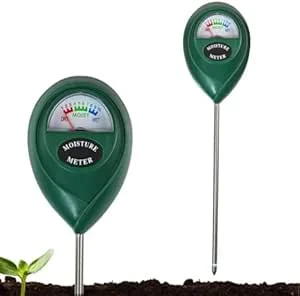 Soil moisture meterHelps check whether the root zone is actually ready for water.View on Amazon (paid link) ↗Digital hygrometerHelps track humidity and temperature around sensitive plants.View on Amazon (paid link) ↗
As an Amazon Associate, HomePlantBot may earn from qualifying purchases.
Application Methods (Soil and Foliar)
Soil Application
This is the most common feeding approach. For liquid fertilisers:
- Use the concentration and application method specified for the actual product and plant; half-strength is not universal.
- Apply to moist soil—never to dry roots
- Water through until excess drains to reduce salt build-up
Foliar Feeding
Foliar sprays are absorbed through the leaves, making them a good supplement:
- Do not spray fertilizer as an automatic response to stressed roots; diagnose and correct root conditions first.
- How: Mist with diluted mix early in the day, avoiding high sun exposure
Pros and Cons Comparison
| Method | Pros | Cons |
|---|---|---|
| Soil Application | Feeds entire plant, easy to control | Risk of root burn or salt build-up |
| Foliar Feeding | Quick absorption, useful for micronutrients | Short-term effects, risk of leaf spotting |
Signs of Deficiency and Toxicity
Common Nutrient Deficiencies in Hoyas
Recognising early signs can help save your plant:
- Yellow leaves: Nitrogen deficiency
- Poor flowering: Low phosphorus levels
- Droopy stems or weak growth: Potassium deficiency
Symptoms of Overfeeding
Too much of a good thing can be harmful:
- Leaf tip burn
- Crusty white salt build-up on soil surface
- Stunted or distorted new growth
How to Correct Imbalances
If your plant shows signs of trouble:
- Flush soil: Run water through the pot for several minutes to wash out salts
- Repot: If build-up is severe, switch to a fresh soil mix
- Adjust schedule: Wait longer between feedings or reduce concentration
Organic Options and Alternatives
Organic Fertilisers for Hoyas
Eco-friendly choices that nourish both plants and soil microbes:
- Worm castings (vermicompost)
- Fish emulsion
- Compost tea
Benefits of Going Organic
- Any concentrated nutrient source can contribute to overfeeding; organic origin does not establish a safe dose.
- Improves soil texture and microbial activity
- Organic fertilizer is not automatically safer around children or animals. Store and use every product as its label directs.
Homemade Fertiliser Solutions
If you prefer to DIY, here are a few options:
- Household scraps or teas are not a measured complete nutrient program and should not be used to diagnose or correct a suspected deficiency.
- Household scraps or teas are not a measured complete nutrient program and should not be used to diagnose or correct a suspected deficiency.
- Household scraps or teas are not a measured complete nutrient program and should not be used to diagnose or correct a suspected deficiency.
Avoid using high-sodium or fatty kitchen scraps, which can harm roots.
Considerations for Organic Use
- Some organic options can have strong odors
- They act more slowly than synthetic fertilisers
- Ensure homemade mixes are properly diluted
Conclusion
Recap Key Points
- Hoyas need supplemental feeding to thrive indoors
- Understanding NPK helps select the right fertiliser
- Adjust feeding based on season and plant response
- Watch for signs of stress to avoid nutrient imbalances
Final Tips for Feeding Success
- Start slow—less is more when it comes to fertiliser
- Keep a log to track what works for each of your Hoyas
- Flush pots occasionally to prevent mineral build-up
Call to Action
Explore more basics in our Hoya Care Fundamentals guide, especially if you’re just starting out. Have tips or fertiliser favorites of your own? Drop a comment and share your Hoya feeding experience!
Need help choosing the next care step?
If the symptoms in this article match your plant, use Plant Bot or the rescue checklist before buying anything. A quick diagnosis helps you fix the actual cause, not just the most visible symptom.
Quick decision checklist
- Feed lightly during active growth.
- Do not fertilize a stressed or dry plant.
- Flush soil occasionally to prevent salts.
- Use weaker doses for sensitive foliage.
Sources for these corrections
These references support the identified care and evidence limits; they do not establish a universal formula, timetable or product endorsement.