
HomePlantBot care guide
Pothos Troubleshooting yellow leaves & leggy growth
Pothos plants, also known as Epipremnum aureum or devil’s ivy, are beloved for their lush foliage, trailing growth, and low-maintenance nature. They’re common favorites for beginners and plant pros alike, thriving in a range of indoor conditions. But even these hardy plants can face issues.
What you’ll learn in this article
- The top reasons pothos leaves turn yellow or grow leggy
- How to assess light, water, soil, and fertilizers
- Proven techniques for pruning and propagation
- How to maintain a thriving pothos over time
Affiliate disclosure: HomePlantBot may earn from qualifying purchases through the Amazon links below, at no extra cost to you.
Introduction
Two of the most common complaints are yellowing leaves and leggy growth. If your pothos has discolored foliage or long vines with sparse leaf clusters, don’t worry — your plant can likely bounce back. This guide walks through why these symptoms occur and what you can do to bring your plant back to vibrant health.
Overview: What Causes Yellow Leaves & Leggy Growth in Pothos?
Yellowing leaves often signal discomfort, usually due to overwatering, underwatering, nutrient imbalances, or simple leaf aging. Meanwhile, leggy growth — identified by long vines with large gaps between leaves — typically points to inadequate light.
These two problems can be interconnected. For instance, poor light can lead to legginess and impact the plant’s ability to uptake nutrients or use water efficiently, compounding issues like yellowing. Fortunately, both symptoms respond well to targeted care interventions.
Care Requirements Refresher
For a deeper dive into keeping your pothos healthy, check out our Pothos Care Blueprint for Common Varieties.
- Light: Bright, indirect light is ideal. Too little light encourages long, spindly growth; too much sun can scorch leaves.
- Water: Allow the top inch or two of soil to fully dry before watering again. Overwatering is a common cause of yellow leaves.
- Soil & Drainage: Use a well-draining potting mix and a container with drainage holes to prevent root rot.
- Temperature & Humidity: These plants prefer temperatures between 65–85°F and appreciate moderate humidity.
- Fertilizer: Feed with a balanced liquid houseplant fertilizer every 4–6 weeks during the active growing season (spring through early fall).
Helpful products for this care problem
Helpful products for this plant care problem
If this is the issue you are solving, these tools can make the next step easier. They are optional, but they match the care problem covered in this article.
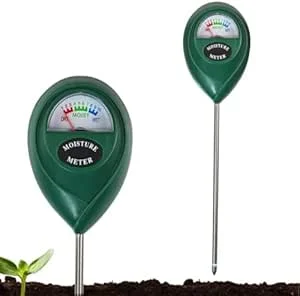 Soil moisture meterHelps check whether the root zone is actually ready for water.View on Amazon (paid link) ↗
 Digital hygrometerHelps track humidity and temperature around sensitive plants.View on Amazon (paid link) ↗Clip-on grow lightUseful for dim rooms, winter care, and plants stretching toward light.View on Amazon (paid link) ↗
As an Amazon Associate, HomePlantBot may earn from qualifying purchases.
Common Issues — and How to Fix Them
A. Yellow Leaves
| Cause | Symptoms | Solution |
|---|---|---|
| Overwatering | Soft, mushy roots; soggy soil; yellow, droopy leaves | Check root zone for moisture. Let soil dry out; consider repotting if roots appear rotted. |
| Underwatering | Dry, crispy edges; yellowing followed by leaf drop | Water thoroughly and consistently. Avoid letting soil go bone dry for extended periods. |
| Nutrient Deficiency | Pale leaves with yellowing, especially older growth | Apply a balanced fertilizer. A nitrogen boost typically improves foliage color. |
| Aging Foliage | Only older, lower leaves are yellowing | Normal process. Prune away dead leaves to redirect energy. |
| Pests (e.g., Spider Mites, Mealybugs) | Yellow spots, webbing, sticky residue on stems/leaves | Inspect closely. Treat with insecticidal soap or neem oil as needed. |
B. Leggy Growth
- Low Light Conditions: When pothos don’t get enough light, they stretch toward the light source, leaving more space between leaves. To correct this, move the plant closer to a bright window where it will receive indirect sunlight.
- Lack of Pruning: Regular trimming encourages branching and a bushier look. Left untrimmed, pothos grow long, single-stem vines that look sparse.
- Infrequent Fertilizing: Poor nutrition can stunt new leaf development, especially during the growing season. Apply a balanced, water-soluble fertilizer monthly.
- Natural Growth Habit: Pothos are vining plants, so some lankiness is expected. But you can control growth indoors with good care and regular pruning.
Propagation Tips (When Pruning Is Necessary)
Pruning isn’t just for appearances — it also offers the perfect opportunity to propagate new plants and rejuvenate your current pothos. Here’s how to do it successfully:
How to Take Cuttings
- Use clean scissors or pruning shears
- Cut just below a node (the spot where a leaf joins the vine)
- Each cutting should include 3–4 leaves and at least one node
Rooting in Water vs. Soil
| Method | Pros | Cons |
|---|---|---|
| Water Propagation | Easy to monitor root development; fun to watch | Transitioning to soil later can stress roots |
| Soil Propagation | No transplant shock; direct growth in intended medium | More difficult to monitor early root progress |
When to Propagate
- When vines become excessively leggy or sparse
- After pruning yellow or unhealthy parts of the plant
- To increase fullness by planting multiple rooted cuttings together
Creating a Fuller Pothos
To boost volume, plant three to five rooted cuttings back into the original pot. Grouping cuttings together stimulates fresh new growth and helps create that dense, jungle-like look.
Conclusion
Yellow leaves and leggy vines don’t mean the end of your pothos plant. These are often signals of stress from water, light, nutrients, or age — and each one has a practical fix.
Start by reassessing care routines, make environmental adjustments, prune as needed, and don’t forget to propagate while you’re at it. A little attention goes a long way toward reviving a struggling pothos and encouraging lush new growth.
For more detailed guidance on keeping your pothos healthy and thriving, explore our full Pothos Care Blueprint for Common Varieties.
Quick Reference Checklist: Common Symptoms & Solutions
| Symptom | Likely Cause | Solution |
|---|---|---|
| Yellow, soft leaves | Overwatering | Let soil dry; check roots |
| Crispy yellow edges | Underwatering | Water thoroughly |
| Yellow lower leaves only | Aging | Prune old leaves |
| Long vines, few leaves | Low light / no pruning | Move to brighter spot; trim regularly |
| Spots/webbing on leaves | Pests | Inspect & treat with neem/insecticidal spray |
Need help choosing the next care step?
If the symptoms in this article match your plant, use Plant Bot or the rescue checklist before buying anything. A quick diagnosis helps you fix the actual cause, not just the most visible symptom.
Quick decision checklist
- Check the growing conditions before changing everything.
- Adjust one care factor at a time.
- Use symptoms to guide the next step.
- Give the plant time to respond after corrections.