
HomePlantBot care guide
Ethical Sourcing: Tissue Culture, Wild‑Collection & Swaps
Rare and exotic plants have exploded in popularity in recent years, driven by social media, interior design trends, and collectors hungry for unique specimens. But this rising demand has placed immense pressure on natural habitats, where many of these plants originate. Without thoughtful sourcing, this boom can contribute to species depletion, habitat destruction, and black-market trade.
What you’ll learn in this article
- Dive into ethical plant sourcing practices
- Understand the pros and cons of tissue culture, wild-collection, and plant swaps
- Learn how to avoid poaching and illegal imports
- Discover how to source plants sustainably and legally
- Explore how plant propagation can support conservation
Affiliate disclosure: HomePlantBot may earn from qualifying purchases through the Amazon links below, at no extra cost to you.
Introduction: Why Ethical Sourcing Matters in the Plant World
Ethical sourcing helps protect biodiversity, ensures legal compliance, and supports sustainable horticulture practices. Whether you’re a plant hobbyist or starting a green business, understanding where your plants come from is crucial. In this article, we’ll explore three major sourcing methods—tissue culture, wild collection, and plant swapping—along with guidance on how to make choices that align with global conservation goals.
Learn more about sustainable care techniques
Section 1: The Ethical Concerns Around Wild Plant Collection
Wild-collection refers to the practice of harvesting plants directly from their native habitats—usually forests, deserts, or mountainous regions. This method often targets high-demand, slow-growing species, making it particularly harmful if unregulated.
Common Targets of Wild-Collection
- Orchids such as Paphiopedilum and Dendrobium
- Rare succulents like Dudleya and Ariocarpus
- Carnivorous plants including the Venus flytrap and pitcher plants
When wild collection is done carelessly or illegally, it can lead to:
- Loss of genetic diversity in endemic regions
- Soil erosion and habitat degradation
- Extinction threats for species with limited distributions
Poaching vs. Permitted Harvesting
Some regions allow limited harvesting under regulated permits, ensuring populations are minimally disturbed. Poaching, however, is the illegal collection and sale of plants without permits—frequently for profit through untraceable online platforms and markets.
Real Example: In California, thousands of native Dudleya succulents were illegally uprooted and shipped overseas, prompting legislation to protect the species and punish traffickers.
Section 2: How Tissue Culture Provides a Sustainable Alternative
Tissue culture is a lab-based technique that clones plants from a tiny tissue sample grown under sterile conditions. This method offers a scalable, ethical alternative to wild harvesting.
Benefits of Tissue Culture
- Can mass-produce rare species without disturbing wild ecosystems
- Reduces pressure on naturally endangered populations
- Tissue-cultured specimens are often more affordable and disease-free
| Advantage | Details |
|---|---|
| Conservation-Friendly | Supports growth without environmental damage |
| Affordable | Can reduce price points for rare plants in nurseries |
| Sanitary | Minimizes pests or pathogens |
Limitations
- Initial lab setup can be costly
- Some species grow slower in tissue culture
Look for labeling in nurseries that identifies tissue culture outputs. Many reputable wholesalers indicate this on product tags or catalogs.
Section 3: Choosing Certified, Reputable Nurseries and Growers
Working with ethical businesses ensures your money supports legal, sustainable practices. Reputable growers prioritize traceability, compliance, and the conservation of plant biodiversity.
Qualities of Trustworthy Sellers
- Hold certifications from agricultural authorities (e.g., USDA, local botanical organizations)
- Disclose sourcing methods transparently
- Provide supporting documentation such as CITES permits, propagation records, or nursery tags
Red Flags to Watch For
- Extremely low prices on rare specimens
- Listings labeled “wild-collected” without permits
- Seller anonymity or reluctance to share sourcing info
Helpful products for this care problem
Helpful products for this plant care problem
If this is the issue you are solving, these tools can make the next step easier. They are optional, but they match the care problem covered in this article.
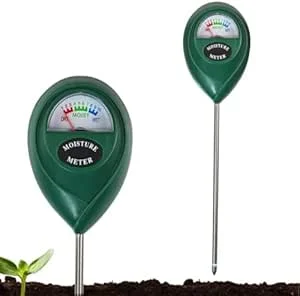 Soil moisture meterHelps check whether the root zone is actually ready for water.View on Amazon (paid link) ↗
 Digital hygrometerHelps track humidity and temperature around sensitive plants.View on Amazon (paid link) ↗Clip-on grow lightUseful for dim rooms, winter care, and plants stretching toward light.View on Amazon (paid link) ↗
As an Amazon Associate, HomePlantBot may earn from qualifying purchases.
Section 4: Recognizing and Avoiding Illegally Collected or Imported Plants
Illegally harvested or imported plants can sometimes be identified through visual inspection and sales context.
Watch for These Signs
- No root system or signs of being freshly uprooted
- Damage to base or exposed tubers suggest wild extraction
- Language like “wild find,” “ultra-rare jungle cut,” or “exclusive forest drop” tend to hint at non-permitted sourcing
The Role of Documentation
Legally imported rare plants often require phytosanitary certificates or CITES documentation. If these are not offered or available for review, it’s best to walk away.
Risks in Online Marketplaces
Platforms like social media or online marketplaces can unintentionally support illegal trade. Unlike licensed nurseries, these spaces rarely enforce sourcing standards, making buyer vigilance essential.
Section 5: Engaging in Plant Swaps and Trades: DIY, Ethical Propagation
Swapping and trading plants among enthusiasts is an accessible way to build your collection without increasing commercial demand.
Benefits
- Minimizes your environmental footprint
- Fosters local plant-loving communities
- Encourages learning propagation techniques
Popular Swapping Methods
- Facebook groups and community swap meets
- Instagram plant trades and hashtags
- Dedicated platforms like Reddit’s r/plantexchange
Responsible Swapping Tips
- Inspect cuttings for signs of pests or diseases
- Label plants accurately, including genus and species
- Follow local restrictions on plant transport and invasive species
Propagation becomes more than a hobby when it’s used to preserve threatened species and make rare plants more accessible ethically.
Section 6: Understanding Regulations and Permits for Endangered Species (CITES)
CITES (Convention on International Trade in Endangered Species of Wild Fauna and Flora) is a global treaty that regulates the trade of over 35,000 species, including many plants.
CITES Appendix Categories
| Appendix | Description |
|---|---|
| Appendix I | Species threatened with extinction; trade is prohibited except under exceptional circumstances |
| Appendix II | Species not necessarily threatened, but trade must be controlled |
| Appendix III | Protected in at least one country that has asked others for assistance in controlling trade |
Common Regulated Houseplants
- Orchids like Encyclia and Cattleya
- Cacti species such as Ariocarpus, Lophophora
- Carnivorous types like Nepenthes rafflesiana
Permit Tips
- Always inquire about CITES certification when buying regulated species
- Breeders and sellers should be prepared to show valid documentation
- Customs agents may seize undocumented plants during import/export
Section 7: Supporting Conservation Through Education and Donations
As a plant lover, you can actively contribute to conservation efforts beyond your collection.
Ways to Participate
- Donate to organizations like botanic gardens, reforestation projects, or plant-focused NGOs
- Attend virtual or local events on ethical plant care
- Educate your community by sharing what you’ve learned about sourcing
True plant appreciation goes beyond owning something rare—it’s about respecting its origin and role in the ecosystem.
Conclusion: Build a Plant Collection That’s Beautiful and Ethical
Ethical sourcing doesn’t mean limiting your passion—it means linking it to a greater purpose. Choose to support certified growers, avoid unverified wild collections, verify legality, and get involved in local and global conservation efforts.
Grow for joy, not just for trend. Ask questions, learn continuously, and make choices that nurture both your home and the planet.
Learn more about sustainable plant practices
Downloadable Checklist – “Ethical Plant Buying Guide for Beginners”
- Where did this plant come from?
- Does it appear wild-collected?
- Can I trace the seller’s source?
- Is the species regulated or endangered?
- Are plant swaps or propagation an option?
Need help choosing the next care step?
If the symptoms in this article match your plant, use Plant Bot or the rescue checklist before buying anything. A quick diagnosis helps you fix the actual cause, not just the most visible symptom.
Quick decision checklist
- Check the growing conditions before changing everything.
- Adjust one care factor at a time.
- Use symptoms to guide the next step.
- Give the plant time to respond after corrections.