HomePlantBot care guide
Tying, Clipping & Soft Supports: Do’s & Don’ts
Plant supports aren’t just for keeping tall stems upright—they play a vital role in shaping healthy growth, preventing breakage, and guiding plant development over time. Whether indoors or outdoors, plants often need a little help growing in the right direction or standing tall against wind and gravity.
What you’ll learn in this article
- Understand why using gentle support materials matters for healthy plant growth.
- Learn about different plant tie options such as Velcro, jute, soft tape, and clips.
- Master proper tie positioning techniques that support rather than constrict stems.
- Discover why regular adjustments are necessary as plants grow and thicken.
- Know when to use clips instead of ties to protect delicate stems.
- Identify harmful materials to avoid when supporting plants.
- Get tips for safely attaching ties to stakes, poles, and trellises.
Affiliate disclosure: HomePlantBot may earn from qualifying purchases through the Amazon links below, at no extra cost to you.
Introduction: Why Support Techniques Matter in Plant Care
But here’s the important part: using the wrong materials or techniques can do more harm than good. Tying stems too tightly or using rough cords may injure or stunt your plants. Fortunately, with a few beginner-friendly tips and tools, you can avoid those missteps and give your plants the support they need to thrive.
Why Selecting Gentle Materials Matters When Supporting Plants
Plants may look sturdy, but their stems are surprisingly sensitive—especially when young or still thickening. Over time, stems expand in diameter, and if they’re bound with harsh or non-flexible materials, the risk of damage increases dramatically.
Using sharp or wiry materials may cut into plant tissue, restrict nutrient flow, or even kill an entire branch. That’s why gentle support methods make all the difference. Soft, flexible ties move with the plant, cushioning growth and minimizing injury even during windy conditions or periods of rapid expansion.
For more techniques on shaping and training your plants, visit our guide to training supports and plant shaping.
Overview of Plant Tie Options: Velcro, Jute, Soft Tape and Clips
There are many ways to support plants, but choosing the right type of tie or clip depends on the plant’s structure, location, and stage of growth. Here’s an overview of common tie materials and when to use them:
| Support Type | Best For | Pros | Cons |
|---|---|---|---|
| Velcro Strips | Repetitive use, medium to large stems | Reusable, adjustable, gentle | More expensive, visually noticeable |
| Jute Twine | Lightweight plants, biodegradable gardens | Natural, affordable | Weak when wet, can chafe stems |
| Soft Garden Tape | Delicate stems, indoor plants | Stretchy, gentle, easy to handle | Single-use, may degrade over time |
| Plastic or Silicone Clips | Orchids, tomato starts, trellis climbers | Reusable, quick to apply, no tying needed | May not adjust as plants grow |
Positioning Ties to Support Stems Without Constricting Them
Proper placement is key when attaching a support tie. If it’s too tight or pushed against a vulnerable node, it can cause bruising or cut off water and nutrient flow.
A helpful method is the “figure 8” technique: loop your tie so it crosses between the stem and the support, creating one loop for each. This way, the tie holds the stem close without pinching it against the stake or trellis.
Tips for healthy tie placement:
- Leave a small gap so the stem has room to move and grow.
- Position ties an inch or two below the growth tip for support without strain.
- Tie stems loosely—just snug enough to guide the plant upright.
Helpful products for this care problem
Helpful products for this plant care problem
If this is the issue you are solving, these tools can make the next step easier. They are optional, but they match the care problem covered in this article.
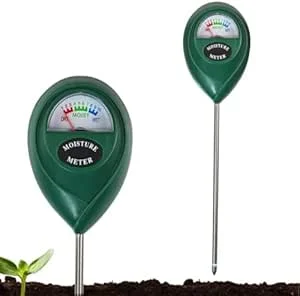 Soil moisture meterHelps check whether the root zone is actually ready for water.View on Amazon (paid link) ↗
 Digital hygrometerHelps track humidity and temperature around sensitive plants.View on Amazon (paid link) ↗Clip-on grow lightUseful for dim rooms, winter care, and plants stretching toward light.View on Amazon (paid link) ↗
As an Amazon Associate, HomePlantBot may earn from qualifying purchases.
Checking and Adjusting Ties Regularly as Plants Thicken
Time passes and plants grow—but your ties stay the same size. That’s why it’s so important to inspect attachments regularly, typically every 2–3 weeks.
If ties become too tight, they can act like a tourniquet, strangling the stem and hindering circulation. During your watering or pruning routine, take a moment to:
- Look for indentations around ties or signs of stem damage.
- Loosen or reposition ties where needed, especially after significant growth.
- Swap out single-use ties (like garden tape) for fresh ones when necessary.
Choosing Clips Over Ties for Delicate or Brittle Stems
Some plants simply don’t respond well to tying—especially those with tender, brittle stems like orchids, hoyas, or young tomato starts. In these cases, clips may be the gentler choice.
Unlike string or tape, clips don’t compress the plant. They cradle or clasp gently around the stem, holding it against support without pulling or pinching.
When Clips Make Sense
- Orchids & Indoor Vines: Clips make attaching to stakes or moss poles cleaner and safer.
- Seedlings & Starters: Young stems are flexible and damage-prone—clips help avoid bruising.
- Vining plants: For species like peas, cucumbers, or clematis, clips make redirection fast and simple.
Clips vs. Ties
Both have their place—if you’re working with sturdy outdoor branches or correcting growth direction, ties may offer more control. But for fast attachment or fragile plants, clips offer peace of mind.
Avoiding Harmful Materials Like Metal Wire or Rough String
While it might be tempting to grab whatever string is nearby, some materials are known to cause lasting harm to your plants. Here’s what to avoid:
- Metal wire: Can cut into stems and conduct heat, burning tissue on hot days.
- Plastic zip ties: Non-adjustable, hard, and prone to over-tightening—they crush more than help.
- Rough string or twine: May seem soft, but coarse fibers create friction and abrasion over time.
If you’re not sure what to use, consider investing in a plant support kit that includes materials specifically designed to protect plant tissue—or DIY your own using rubber tubing or repurposed fabric strips.
Attaching Ties Securely to Stakes, Poles or Trellises
A healthy tie needs two connection points: the plant and its support. Whether you’re anchoring a tomato to a stake or training a jasmine vine to climb, your attachment method matters.
Best Practices:
- Angle matters: Attach the stem at a natural angle; avoid forcing it against its growth habit.
- Room to breathe: Keep a small gap between the stem and support—tight isn’t better.
- Secure the support: Loose stakes can fall or tilt. Push them deep into the soil or secure in pots.
Tips by Plant Type:
- Tall herbaceous plants (e.g., dahlias, sunflowers): Use multiple support points along the stem, spaced every 12–18 inches.
- Vining plants (e.g., peas, cucumbers): Attach ties low and gradually train growth upward with additional loops or clips.
Conclusion: Ensure Supports Help Plants Rather Than Harm Them
Supporting your plants should be just that—supportive, not restrictive. Done right, it sustains healthy growth, prevents injury, and helps you guide your garden to its full potential.
Do’s:
- Use flexible, soft ties that stretch as plants grow.
- Check ties every 2–3 weeks and adjust as needed.
- Use clips for tender or fast-growing stems.
Don’ts:
- Avoid sharp wires, tight zip ties, or constrictive knots.
- Don’t ignore support once installed—plants evolve daily.
- Never tie stems so tightly they can’t sway or expand.
Even if you’re new to gardening, mastering plant supports is within your reach. With a little planning and care, your greens will stand tall and thrive.
Ready to shape and support your plants with confidence? Check out our guide to training supports and plant shaping.
Happy growing! 🌿
Need help choosing the next care step?
If the symptoms in this article match your plant, use Plant Bot or the rescue checklist before buying anything. A quick diagnosis helps you fix the actual cause, not just the most visible symptom.
Quick decision checklist
- Check the growing conditions before changing everything.
- Adjust one care factor at a time.
- Use symptoms to guide the next step.
- Give the plant time to respond after corrections.