
HomePlantBot care guide
Automatic Watering Systems: Wick, Drip & Pump Options
Automatic watering systems take the guesswork out of plant care, offering convenience and consistency. Whether you’re a frequent traveler or simply forget to water, these systems help keep your plants thriving with minimal effort. They’re a game-changer for plant lovers managing multiple pots or tropical varieties demanding regular hydration.
What you’ll learn in this article
- Understand the core types of automatic watering systems for houseplants: wick, gravity drip, and pump-based irrigation
- Learn how each system works, with setup tips tailored to your lifestyle and plant care needs
- Explore cost, complexity, and reliability comparisons between systems
- Get practical advice on choosing the right system for travel, plant types, and environments
- Find out how to maintain, clean, and optimize each system for long-term performance
Affiliate disclosure: HomePlantBot may earn from qualifying purchases through the Amazon links below, at no extra cost to you.
Introduction to Automatic Watering Systems
There are three primary types of automatic watering systems you’ll encounter:
- Wick systems – simple, passive setups using fabric to deliver moisture.
- Gravity drip systems – bottle or stake-based solutions using gravity for timed release.
- Pump systems – more advanced systems using pumps, timers, and tubing for large collections.
Automating plant watering makes the most sense if you travel often, tend to forget watering schedules, or are scaling up your indoor jungle. If you’re interested in more tech-forward options, see our guide on smart automated plant care.
How Wick-Based Planters Deliver Water Passively
How Wick Systems Work
Wick watering systems rely on capillary action—the natural movement of water through a fabric wick from a reservoir (usually below) up into the plant’s soil. The wick acts like a straw, pulling water to the roots as the soil dries out.
Ideal Use Cases
These systems are perfect for:
- Small to medium houseplants
- Plants with stable moisture needs like herbs or African violets
- Office planters or semi-shaded indoor spots
DIY vs. Pre-Made Options
You can create a wick system easily using cotton rope or nylon cord, a water-safe reservoir, and a pot with a drainage hole. Pre-made self-watering planters also use this concept but come with built-in indicators and reservoirs.
Pros and Cons
| Pros | Cons |
|---|---|
| Low-cost and electricity-free | Low control over flow rate |
| Low maintenance once installed | Not great for plants that dislike moist conditions |
Using Gravity Drip Stakes and Bottle Systems for Short Trips
How It Works
Gravity-fed systems involve water slowly dripping into a pot from an elevated source—typically an inverted water bottle or a purpose-built drip stake. As the soil dries, it pulls water from the container.
Best Use Scenarios
- Leaving home for 2–10 days
- Medium-sized pots with succulent or moderately thirsty plants
- Backup watering for unpredictable weeks
Home Setup Tips
To create a basic bottle drip system:
- Fill a plastic bottle with water.
- Poke 1–3 small holes in the cap (using a pin or hot needle).
- Invert and insert it into the soil about 2 inches deep.
Drip Rate Adjustment
Factors that change the drip rate include:
- Bottle size – larger bottles last longer
- Number of holes in the cap
- Soil density – sandy soils drain faster than peat-based mixes
Drawbacks
These devices aren’t meant for long absences or precise control. But for hardy plants or vacations, they’re a handy fix.
Pump-Driven Irrigation Kits for Larger Collections
How They Work
These systems use pumps (electric or battery-powered) connected to water reservoirs, tubing, and programmable timers. Water is distributed through thin tubes to each plant according to a schedule you set.
Where They Shine
- Managing large indoor plant collections or greenhouses
- Grow light setups where regular watering is essential
- Situations where some plants need more water than others
Setup Overview
- Place a water reservoir (bucket, tank, or large container) nearby.
- Connect tubing between the pump and each plant pot.
- Program a timer to deliver water daily, every few days, or weekly.
Advanced Features
Some systems offer moisture sensors, smartphone control, and multiple zones for high customization—ideal if you have ferns, cacti, and orchids all sharing space.
Budget Ranges
| Type | Price Range |
|---|---|
| Basic kits | $25–$60 |
| Battery timers with 10–15 plants | $40–$80 |
| Smart systems with apps | $100–$300+ |
Helpful products for this care problem
Helpful products for this plant care problem
If this is the issue you are solving, these tools can make the next step easier. They are optional, but they match the care problem covered in this article.
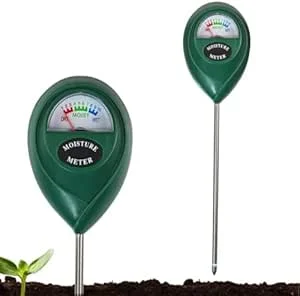 Soil moisture meterHelps check whether the root zone is actually ready for water.View on Amazon (paid link) ↗
 Digital hygrometerHelps track humidity and temperature around sensitive plants.View on Amazon (paid link) ↗Clip-on grow lightUseful for dim rooms, winter care, and plants stretching toward light.View on Amazon (paid link) ↗
As an Amazon Associate, HomePlantBot may earn from qualifying purchases.
Comparing Cost, Complexity, and Reliability
| System Type | Cost | Ease of Setup | Best Use | Reliability |
|---|---|---|---|---|
| Wick | Low | Very easy | Stable moisture plants | High (passive) |
| Gravity drip | Very low | Easy | Short trips | Medium |
| Pump system | Medium to high | Moderate to difficult | Large and diverse plant collections | High, with tuning |
Matching Your Plant Mix and Travel Plans to the Right System
Assess Your Needs
Consider:
- Quantity and type of plants
- Pot sizes and materials
- Light exposure (bright light = faster drying)
- Your travel habits or forgetfulness
Solution Matching
| If You… | Best System |
|---|---|
| Leave for weekend trips | Gravity bottle drip |
| Own 5+ tropical plants indoors | Pump irrigation |
| Work in an office with a few plants | Wick systems |
Combination Strategies
Mix wick or drip systems for low-maintenance coverage, and manually water sensitive plants weekly. This reduces risk and effort.
When to Skip Automation
Avoid wick and deep drip systems for plants like succulents or certain orchids that dislike constant moisture.
Setting Up and Fine-Tuning Moisture Levels for Your Plants
Trial Runs Are Key
Always test your system for 3–5 days before relying on it fully. Observe how much water is dispensed and whether the soil is too soggy or too dry.
Moisture Checking Tools
- Moisture meters – give objective readings
- Finger method – stick a finger 1–2 inches in the soil
Adjustment Tips
- Wicks: adjust depth into soil and water reservoir height
- Drips: change hole sizes or use drip nozzles
- Pumps: reprogram intervals or durations
Maintaining Equipment by Cleaning and Preventing Algae Buildup
Regular Cleaning Routines
Every 2–4 weeks depending on the setup:
- Flush tubes with warm water
- Rinse reservoirs with soap and baking soda
- Replace old wicks
- Scrub bottle necks and drip stakes
Water Choices
Use filtered or distilled water to avoid mineral salt buildup, especially in small tubing or humid growing areas.
Preventing Algae
- Keep reservoirs out of direct sunlight
- Use opaque containers
- Add a few drops of hydrogen peroxide if safe for your setup
Conclusion: When and How to Trust Automatic Watering
No automatic watering system is truly “set-and-forget.” Plan simple check-ins every few weeks to ensure everything works well under changing conditions.
Start with a single system—like a wick or gravity drip—on a plant you know well. Add more over time as you gain confidence. Observe your plants regularly, and let their health be your guide.
Final tip: Keep one plant manually watered. It acts as a “control group” to compare and catch any unnoticed issues in your automated system.
For more advanced setups, including smart sensors and app control, read our smart watering solutions guide.
Need help choosing the next care step?
If the symptoms in this article match your plant, use Plant Bot or the rescue checklist before buying anything. A quick diagnosis helps you fix the actual cause, not just the most visible symptom.
Quick decision checklist
- Check the growing conditions before changing everything.
- Adjust one care factor at a time.
- Use symptoms to guide the next step.
- Give the plant time to respond after corrections.