
HomePlantBot care guide
Child‑Safe Houseplants & Placement Tips
Imagine this: you’re in the kitchen prepping dinner when you hear suspicious silence in the living room. You walk in to find your toddler mouth-deep in your favorite pothos plant. Sound familiar? Many parents and caregivers have similar stories—because young children explore their world with curiosity and little caution.
What you’ll learn in this article
- Why choosing non-toxic houseplants is essential for families with young children.
- Top safe and easy-care indoor plants for child-friendly homes.
- Common houseplants to avoid due to toxicity or injury risks.
- Tips for placing plants securely out of children’s reach.
- How to teach kids safe plant care habits and sensory appreciation.
Affiliate disclosure: HomePlantBot may earn from qualifying purchases through the Amazon links below, at no extra cost to you.
Introduction
With the surge in popularity of houseplants, it’s essential to make thoughtful choices when creating a green and safe environment for little ones. In this guide, we’ll help you choose child-safe houseplants, avoid risky varieties, and share placement and care tips to keep plants thriving—safely.
And don’t forget: if you have furry friends too, check out our pet-safe plant guide for a complete safety solution.
Why Non-Toxic Plants Matter in Homes with Young Children
Plants may seem harmless, but some common household favorites pose real dangers when ingested or touched. A few leaves or a simple nibble can lead to symptoms like nausea, vomiting, or more serious complications.
Young children, especially toddlers, are notoriously hands-on and mouth-first when exploring. This developmental stage makes it crucial for caregivers to minimize in-home hazards—including houseplants that can cause skin irritation or are poisonous if chewed.
By selecting non-toxic varieties, you benefit from worry-free plant ownership, and your children encounter a positive, sensory-filled environment that fosters curiosity and care-giving behavior.
According to the ASPCA, dozens of indoor plants are toxic to children and pets. Reviewing their list before purchasing any greenery can provide peace of mind.
Popular Child-Safe Houseplants and Their Easy-Care Needs
Good news: plenty of gorgeous, low-maintenance houseplants are both child-safe and beginner-friendly. Look for this tag for reassurance: ✓ Kid-Friendly
✓ Spider Plant (Chlorophytum comosum)
- ✓ Kid-Friendly
- Non-toxic and air-purifying
- Tolerates low to bright indirect light
- Great for hanging baskets, keeping it out of reach
✓ Peperomia
- ✓ Kid-Friendly
- Varieties boast colorful foliage and compact growth
- Easy on watering—ideal for forgetful caregivers
✓ Calathea
- ✓ Kid-Friendly
- Vivid patterns and movement (closes at night!) make it engaging
- Likes medium indirect light and regular humidity
✓ Baby Rubber Plant (Peperomia obtusifolia)
- ✓ Kid-Friendly
- Thick, shiny leaves with succulent-like resilience
- Requires little beyond gentle watering and medium light
✓ Areca Palm
- ✓ Kid-Friendly
- Tropical air-purifier with fan-like leaves
- Non-toxic and safe from fronds to roots
✓ Herbs: Mint, Lemon Balm, Basil
- ✓ Kid-Friendly
- Edible, aromatic, and perfect for learning about plants
- Thrive in bright light—great for kitchen sills
Plants to Avoid Due to Toxicity, Spines, or Irritants
While beautiful and common, some plants are unsafe around children. Here are several to avoid:
- Peace Lily: Can cause mouth and throat irritation.
- Pothos (Devil’s Ivy): Extremely popular but highly toxic when ingested.
- Snake Plant: Sharp-tipped and mildly toxic.
- ZZ Plant: Hardy but contains skin and digestive irritants.
- Cacti: Risky not due to toxicity, but sharp spines are a hazard for little hands.
| Plant | Safe for Kids? | Notes |
|---|---|---|
| Spider Plant | Yes ✓ | Easy care, ideal for hanging |
| Pothos | No ✗ | Toxic if ingested |
| Peperomia | Yes ✓ | Compact and colorful |
| ZZ Plant | No ✗ | Harmful if touched or eaten |
| Calathea | Yes ✓ | Safe and decorative |
| Snake Plant | No ✗ | Sharp tips and toxins |
Helpful products for this care problem
Helpful products for this plant care problem
If this is the issue you are solving, these tools can make the next step easier. They are optional, but they match the care problem covered in this article.
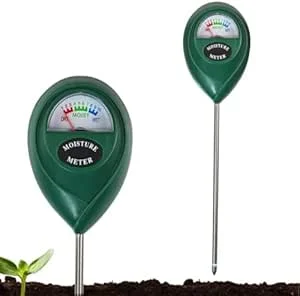 Soil moisture meterHelps check whether the root zone is actually ready for water.View on Amazon (paid link) ↗
 Digital hygrometerHelps track humidity and temperature around sensitive plants.View on Amazon (paid link) ↗Clip-on grow lightUseful for dim rooms, winter care, and plants stretching toward light.View on Amazon (paid link) ↗
As an Amazon Associate, HomePlantBot may earn from qualifying purchases.
Tips on Placing Plants Securely to Prevent Accidents
- Avoid placing plants on the floor near play areas.
- Use heavy, weighted pots to prevent tipping by climbing toddlers.
- Choose enclosed containers or topsoil covers to reduce mess and soil ingestion.
- Assess surroundings—kids may use furniture, boxes, or toys as ladders!
Teaching Kids to Appreciate Plants Without Touching or Tasting Them
- Use phrases like “look-only plants” to clarify boundaries.
- Create fun labels like “No Nibble Zone” or “Leaf Friends.”
- Supervise gentle interaction, like stroking textured leaves.
- Introduce safe herbs and teach smell/taste under adult guidance.
Using Stands, Wall Mounts, and Terrariums to Keep Plants Out of Reach
- Place plants on stands or shelves at least 3–4 feet off the ground.
- Try wall-mounted planters for vertical space safety.
- Use closed glass terrariums to safely showcase smaller plants—great for observation and fewer messes.
Involving Children in Caring for Safe, Sensory Plants Like Herbs
Plant care offers kids hands-on learning and responsibility in a controlled, safe way. Herbs are a great choice to start with.
Child-friendly herbs include:
- Mint
- Basil
- Rosemary
- Thyme
- Lemon Balm
Easy kid tasks include:
- Carefully watering once shown how
- Smelling fresh herbs and observing scent differences
- Counting leaves, watching for flower changes
Conclusion: Cultivating a Safe and Plant-Friendly Home
With a little forethought, your home can be a haven for both children and greenery. Choose non-toxic plants, place them securely, and delight in teaching your kids to value and care for nature responsibly.
Start your child-safe indoor garden today and grow meaningful habits together! For pet owners, don’t miss our guide on safe plants for pets.
Need help choosing the next care step?
If the symptoms in this article match your plant, use Plant Bot or the rescue checklist before buying anything. A quick diagnosis helps you fix the actual cause, not just the most visible symptom.
Quick decision checklist
- Check the growing conditions before changing everything.
- Adjust one care factor at a time.
- Use symptoms to guide the next step.
- Give the plant time to respond after corrections.