
HomePlantBot care guide
Grow Lights for Philodendrons: Light Levels & Setup
Choose and position a grow light for philodendrons with clear guidance on daily hours, distance, brightness, leaf response, and seasonal adjustments.
What you’ll learn in this article
- Understand how much light philodendrons need for healthy growth
- Learn technical terms like PPFD and DLI without needing a science degree
- Get practical tips on measuring and adjusting indoor light year-round
- Troubleshoot common philodendron lighting problems
- Find the best natural and supplemental light setup for vining and climbing types
Affiliate disclosure: HomePlantBot may earn from qualifying purchases through the Amazon links below, at no extra cost to you.
Introduction to Light Requirements
Philodendrons are beloved indoor plants known for their lush, tropical foliage and ease of care. Whether you’re caring for a trailing Philodendron hederaceum or a bold climbing Philodendron selloum, one thing remains constant—light plays a major role in their ability to thrive.
Healthy philodendrons grow fuller and faster with proper lighting. Since these species often originate in tropical understories, they’ve adapted to indirect yet steady light. That said, different varieties, including vining and climbing types, may have distinct preferences.
To tailor light care to your philodendron’s growth habit, review our detailed Philodendrons Care Playbook: Vining vs. Climbing Types.
Understanding Light Intensity (PPFD, DLI)
To truly understand light needs, we go beyond just sunny vs. shady windows. Two key metrics matter:
- PPFD (Photosynthetic Photon Flux Density): Measures light intensity reaching your plant per second in micromoles per square meter per second (µmol/m²/s). Think of it as the “brightness” of useful plant light.
- DLI (Daily Light Integral): Measures total light a plant receives per day, combining intensity and duration (mol/m²/day).
Terms like lux or foot-candles measure brightness visible to the human eye—not how much useful light a plant receives. That’s why PPFD and DLI are more reliable for plant care.
Tools to Measure Light
- PAR Meters: Best for precise PPFD and DLI readings. Devices like Apogee MQ-500 are gold standard but can be pricey.
- Smartphone Apps: Apps like Photone (iOS) let you approximate PPFD using your camera sensor—perfect for beginners.
Typical Indoor Light Ranges by Window
| Window Orientation | Average PPFD (µmol/m²/s) | Light Level |
|---|---|---|
| North-facing | 15–50 | Low |
| East-facing | 75–150 | Moderate |
| South-facing | 150–300 (filtered) | Bright indirect |
| West-facing | 100–250 | Moderate to bright |
Optimal Light Levels for Growth
So, what’s the sweet spot for philodendrons? Here’s what science and real-life plant parents suggest:
- Maintenance: 50–150 µmol/m²/s PPFD
- Active growth: Up to 200 µmol/m²/s PPFD
- Recommended DLI: Ranges from 4–10 mol/m²/day
Smaller, vining varieties like Philodendron micans may tolerate slightly lower PPFD, while climbing types like Philodendron gloriosum generally respond well to brighter indirect light to fuel larger leaves and upright posture.
Natural Window Placement Tips
- North-facing: Not ideal without supplemental light
- East-facing: Great for morning sun; mild but adequate
- South-facing: Ideal when filtered with sheer curtains
- West-facing: Warm, afternoon light; monitor for heat stress
For additional insights based on plant type, refer back to our care guide covering vining vs. climbing philodendrons.
Helpful products for this care problem
Helpful products for better indoor light
If this is the issue you are solving, these tools can make the next step easier. They are optional, but they match the care problem covered in this article.
 Clip-on grow lightUseful for dim rooms, winter care, and plants stretching toward light.View on Amazon (paid link) ↗Digital hygrometerHelps track humidity and temperature around sensitive plants.View on Amazon (paid link) ↗
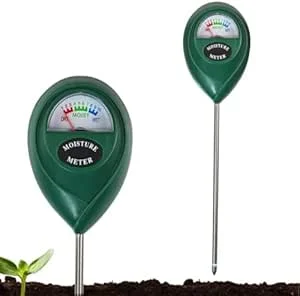 Soil moisture meterHelps check whether the root zone is actually ready for water.View on Amazon (paid link) ↗
As an Amazon Associate, HomePlantBot may earn from qualifying purchases.
Adjusting Light with Seasons
Throughout the year, your home’s lighting conditions will shift—especially in northern climates where winter daylight shrinks dramatically. Philodendrons can struggle if you don’t adjust.
Tips for Maximizing Winter Light
- Clean windows regularly to maximize light penetration
- Add white or reflective surfaces (e.g., mirrors, white walls) nearby
- Move plants closer to high-light windows, avoiding cold drafts
Repositioning & Rotation
Rotating your plant weekly ensures even growth and prevents leaning. Repositioning every season—especially in fall and spring—can maintain consistent DLI during shorter days.
Photoperiod vs. Intensity
Photoperiod refers to how many hours of light your plant receives. Even under weaker winter light, extending duration via grow lights can maintain healthy growth when intensity drops.
Signs of Insufficient or Excessive Light
Your philodendron’s leaves are the best indicators of lighting issues. Here’s how to read the signs:
Symptoms of Inadequate Light
- Leggy, stretched-out stems
- New leaves staying small compared to older ones
- Slowed or stalled growth
Symptoms of Too Much Light
- Bleached or scorched patches on leaves
- Crispy, dry edges or brown tips
- Leaf curling, especially in direct sun
Quick Troubleshooting Checklist
- Inspect weekly for leaf color and growth changes
- Compare before/after photos using natural light spots
- Use a light meter or app to verify light levels if unsure
Supplemental Lighting Options
If your space can’t meet the DLI or PPFD needs naturally—especially during winter or in windowless rooms—grow lights can fill the gap.
When Are Grow Lights Necessary?
- Rooms with north-facing or obstructed windows
- Short winter days with less than 6 hours of daylight
- Signs of stunted or pale foliage despite good care
Grow Light Types
| Type | Pros | Cons |
|---|---|---|
| LED | Energy-efficient, long lifespan, customizable spectrum | Higher upfront cost |
| Fluorescent (T5/T8) | Affordable, moderate output | Bulbs wear out faster; less efficient |
Matching Light Output
- PPFD Target: Position light at a distance to deliver 100–200 µmol/m²/s
- Color Temperature: Use 4000K–6500K (cool white to daylight spectrum)
Beginner-Friendly Setup Tips
- Use a timer to simulate a consistent 10–14 hour day
- Hang lights 12–18 inches above foliage
- Start with clamp grow lights or LED panels under $40
Conclusion
Understanding and fine-tuning light levels is one of the best gifts you can give your philodendrons. With just a few checks and adjustments each season, your plants will reward you with fuller foliage and steady growth.
If you’re looking to dive deeper into light needs based on philodendron growth style, check out our complete guide: Philodendrons Care Playbook: Vining vs. Climbing Types.
Have lighting success stories or troubleshooting questions? Drop a comment or subscribe to our plant care series!
Want stronger, fuller philodendron growth? Dial in your light setup and tag us with your results—we’d love to see your plant progress!
Need help choosing the next care step?
If the symptoms in this article match your plant, use Plant Bot or the rescue checklist before buying anything. A quick diagnosis helps you fix the actual cause, not just the most visible symptom.
Quick decision checklist
- Increase light gradually to avoid scorch.
- Rotate the plant for even growth.
- Water less in lower light.
- Watch color and leaf posture for feedback.