
HomePlantBot care guide
Quarantine Setup at Home: How Long, Where & Why
Bringing a new houseplant home is exciting — but it also comes with hidden risks. Even healthy-looking plants can carry pests or diseases that threaten your entire plant collection. Quarantining isn’t just for the sick; it’s a crucial first step in keeping your indoor jungle thriving.
What you’ll learn in this article
- Why quarantining new or unhealthy houseplants protects your collection
- How long to quarantine based on health and origin of the plant
- Where to create a safe and effective quarantine space at home
- Simple strategies to stop cross-contamination between plants
- Daily observation habits for detecting pests or diseases early
- How to safely reintroduce plants to your main collection
Affiliate disclosure: HomePlantBot may earn from qualifying purchases through the Amazon links below, at no extra cost to you.
Introduction
Whether you’re a beginner or expanding your greenery, this guide walks you through why quarantining matters, how to do it properly, and what to watch out for. It’s a quick habit that protects your time, plants, and peace of mind.
Check out our companion guide: New Plant Onboarding: Quarantine
Why Quarantining New or Ailing Plants Prevents Pest Outbreaks
Common pests and diseases that can spread between houseplants
- Spider mites: Tiny crawlies that suck sap and leave fine webs
- Mealybugs: White, cotton-like clumps along stems and leaf joints
- Fungal spores: Cause leaf spots, wilting, and rot
How do these pests spread?
Indoor environments help pests migrate in subtle ways:
- Airborne: Some spores or mites travel on dust particles
- Soil splash: Watering makes contaminated soil splash nearby pots
- Shared tools: Pruners or watering cans transfer microscopic threats
- Community trays: Pebble trays or propagation areas can connect roots or drips
The benefits of quarantine
- Lets you observe signs of infestation or stress in isolation
- Protects healthy plants from exposure and infection
- Saves money by reducing the need for bulk treatment or plant loss
Recommended Quarantine Duration and Factors That Influence It
General quarantine timeline
Plan to isolate new or sick plants for 2 to 4 weeks. This window allows sufficient time for delayed symptoms to emerge and for plant health to stabilize.
When to extend the quarantine
- Delayed symptoms: Some pests, like spider mites, multiply slowly at first
- After pesticide treatment: Wait to make sure it’s fully effective
- Plant stress: Shipping or repotting may suppress visible symptoms temporarily
When a shorter quarantine may be OK
- Trusted source: Clean plants from reliable nurseries with pest-check policy
- Pre-treated: If plant was isolated and sprayed beforehand
- Thorough visual inspection: Daily checks reveal no issues
Selecting a Suitable Quarantine Location
Ideal isolation spots in your home
- A separate room with door (bathroom, guest room)
- Top of an unused shelf or bookcase
- Clear plastic bin or terrarium with vented lid for airflow
What to avoid
- Shared grow towers or shelves holding healthy plants
- Areas near vents or heaters that can stress the plant further
- Dark corners with insufficient airflow or light
Ensuring Proper Light and Humidity During Isolation
Lighting Tips
- Use full-spectrum grow lights if bright indirect light isn’t available
- Position lights to match the plant’s specific needs (succulent vs. fern)
- Keep lights 6–12 inches above the foliage to prevent stretching or burning
Humidity Control
- Use small humidifiers only inside the quarantine area
- Avoid clustering too many plants in one enclosure
- Hygrometers help monitor ideal humidity ranges temporarily
- Optional: use a pebble tray under pot to increase moisture subtly
Helpful products for this care problem
Helpful products for this plant care problem
If this is the issue you are solving, these tools can make the next step easier. They are optional, but they match the care problem covered in this article.
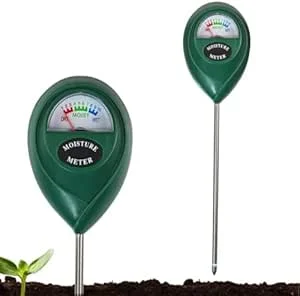 Soil moisture meterHelps check whether the root zone is actually ready for water.View on Amazon (paid link) ↗
 Digital hygrometerHelps track humidity and temperature around sensitive plants.View on Amazon (paid link) ↗Clip-on grow lightUseful for dim rooms, winter care, and plants stretching toward light.View on Amazon (paid link) ↗
As an Amazon Associate, HomePlantBot may earn from qualifying purchases.
Preventing Cross‑Contamination
Best practices to avoid pest spread
| Practice | Why it matters |
|---|---|
| Use separate tools | Prevents movement of mites or fungal spores on scissors or watering cans |
| Don’t reuse soil or containers | Old media may harbor eggs or mold even if dry |
| Wash hands before & after | Hand oils or spores can transfer unseen pests |
| Quarantine care last | Visit quarantined plants after tending healthy ones to avoid crossover |
Monitoring and Documenting the Plant’s Condition Daily
Daily Check-In (5–10 mins)
Make plant observation a quick part of your day. A few key things to look for:
- Undersides of leaves for specks, webs, or bugs
- Yellowing, crisping, or sudden leaf drops
- White fuzz or sticky residue on soil or stems
- Mushy stems or wet-looking spots (signs of rot)
Use a simple journal or note-taking app
- Track symptoms, treatments applied, and changes day by day
- Compare photos from Day 1 to Day 14 for progress
Labelling Quarantined Plants to Remind Household Members
Make it visible and clear
- Attach a plant tag or sticky note: “In Quarantine – Do Not Touch”
- Use brightly colored washi tape to distinguish pots
- Include the start date and suspected issue, if applicable
Visible reminders prevent helpful roommates, kids, or pets from accidentally moving or watering the plant.
Completing a Final Inspection Before Reintegration
Checklist before returning a plant to your main space
- Thorough inspection under bright light — leaf joints, soil surface, stems
- No visible pests or mold for at least 7 consecutive days
- New healthy leaves or buds forming — sign of recovery
- Soil smells earthy — not musty or sour
Optional precautions
- Apply a light neem oil or insecticidal soap mist before reintegration
- Introduce gradually: move plant closer to others over 2–3 days, especially for humidity-sensitive varieties
Conclusion: The Importance of Patience
Devoting just 30 days to isolation can save you from losing shelves of healthy plants later. Quarantine isn’t just smart—it’s a sign you’re leveling up as a plant parent.
- Isolate carefully from the start
- Observe daily for changes
- Document progress for quick reference
- Reintroduce only when truly ready
Your plant family deserves a pest-free, safe environment—and you now have the tools to make that happen.
Get our downloadable Quarantine Checklist and read more onboarding tips
Need help choosing the next care step?
If the symptoms in this article match your plant, use Plant Bot or the rescue checklist before buying anything. A quick diagnosis helps you fix the actual cause, not just the most visible symptom.
Quick decision checklist
- Check the growing conditions before changing everything.
- Adjust one care factor at a time.
- Use symptoms to guide the next step.
- Give the plant time to respond after corrections.