
HomePlantBot care guide
Dwarf Citrus & Indoor Fruit: What’s Realistic?
Picture this: a sun-drenched kitchen windowsill, lush green leaves, and a plump lemon ripening beside your morning coffee. Growing fruit indoors is a dream for many—combining the beauty of houseplants with the satisfaction of edible rewards.
What you’ll learn in this article
- Discover which fruiting plants can actually thrive indoors
- Learn the best dwarf citrus varieties for container growing
- Understand the light, temperature, and humidity needs for indoor fruiting
- Get tips for pollination, feeding, and pest prevention
- Manage your expectations and enjoy the fruit-growing journey indoors
Affiliate disclosure: HomePlantBot may earn from qualifying purchases through the Amazon links below, at no extra cost to you.
Introduction: The Appeal—and Challenge—of Indoor Fruit Growing
Driven by small-space living, sustainability trends, and an increased love for indoor greenery, many plant lovers are ready to take their skills to the next level. But unlike foliage plants, fruiting species have specific needs and challenges that can trip up even enthusiastic beginners.
The good news? With the right knowledge, tools, and expectations, you can absolutely grow edible fruit indoors—even in an apartment. It may not be effortless, but it is achievable.
So, what’s truly realistic when it comes to indoor fruit?
Let’s begin by exploring which plants can thrive—and which are best left for the backyard.
What Indoor Fruiting Is Achievable—And What’s Not
Some fruits, like apples and cherry trees, need prolonged cold weather cycles and space to stretch into full-sized trees—two things hard to replicate in a living room.
Indoor environments often lack intense sunlight, consistent humidity, and natural pollinators, which limits what can fruit successfully. However, some compact species have adapted well to indoor growing, especially in containers.
Fruits Well-Suited to Indoor Growing:
- Dwarf citrus: Compact trees bred to remain small in containers
- Figs: Self-pollinating and tolerant of containers
- Strawberries: Grow well in hanging baskets or sunny windows
- Patio tomatoes: Small-fruited or determinate varieties can fruit indoors with enough light
Fruits to Typically Avoid Indoors:
- Apples and pears
- Stone fruits like peaches and cherries
- Larger berry bushes that require vernalization (winter cold)
If you’re new to edible indoor gardening, start with easier wins. Indoor herbs are a flavorful, low-maintenance way to gain confidence with growing food inside.
Popular Dwarf Citrus Varieties & Their Indoor Performance
Dwarf citrus trees are standard fruiting varieties grafted onto small-statured rootstock. This limits their growth and makes them ideal for container growing indoors. With enough light and care, they can produce fragrant blooms and fresh fruit—even while staying under 5 feet tall.
Top Indoor-Friendly Dwarf Citrus Types:
- Meyer Lemon: A hybrid lemon known for its sweet-tart flavor and reliable blooming year-round
- Calamondin Orange: Compact, produces small tangy fruit, and doubles as a decorative houseplant
- Kaffir Lime: Valued more for its fragrant leaves than for fruit—a great choice for indoor Thai cooking fans
- Key Lime: More sensitive but rewarding with careful care and good lighting
Dwarf Citrus Side-by-Side Comparison:
| Variety | Indoor Height | Fruit Flavor | Light Needs | Indoor Success Rating |
|---|---|---|---|---|
| Meyer Lemon | 3–5 ft | Sweet-tart | High | Excellent |
| Calamondin Orange | 2–4 ft | Tart, decorative | Moderate–High | Very Good |
| Kaffir Lime | 2–3 ft | Leaf use only | Moderate | Good |
| Key Lime | 3–5 ft | Rich, zesty | High | Moderate |
Providing Adequate Light & Temperature
Light Requirements:
Dwarf citrus needs 6–8 hours of bright, direct light daily to produce fruit. A south- or west-facing window is ideal. If that’s not available—or during darker winter months—use a full-spectrum grow light for 10–12 hours per day to simulate sunlight.
Temperature Tips:
- Ideal daytime range: 65°F–85°F
- Night temperatures: cooler by 10–15°F to mimic outdoor cycles
- Avoid cold drafts from windows or heater blasts during winter
Pollination & Rest Periods: Helping Nature Along Indoors
Pollination:
Most citrus trees are self-fertile, but without bees around, you may need to hand-pollinate. Use a soft paintbrush or cotton swab to gently transfer pollen between flowers. Do this daily when the tree is blooming heavily.
Rest Periods:
Citrus benefit from a semi-dormant winter period where temperatures hover around 60°F. This helps signal the tree to conserve energy and prepare for flowering and fruiting. Move the tree to a cooler room during winter months if your home stays too warm year-round.
Helpful products for this care problem
Helpful products for this plant care problem
If this is the issue you are solving, these tools can make the next step easier. They are optional, but they match the care problem covered in this article.
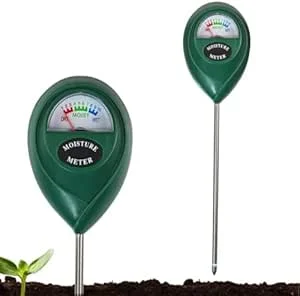 Soil moisture meterHelps check whether the root zone is actually ready for water.View on Amazon (paid link) ↗
 Digital hygrometerHelps track humidity and temperature around sensitive plants.View on Amazon (paid link) ↗Clip-on grow lightUseful for dim rooms, winter care, and plants stretching toward light.View on Amazon (paid link) ↗
As an Amazon Associate, HomePlantBot may earn from qualifying purchases.
Consistent Watering & Humidity Control
Watering Basics:
- Check soil moisture weekly—only water when the top inch is dry
- Use pots with drainage holes
- Ensure water drains freely—don’t let roots sit in soggy soil
Humidity Boosting Tricks:
- Use a small room humidifier nearby
- Place the pot on a tray of water-filled pebbles
- Mist the leaves occasionally (avoid overdoing it)
- Group plants together to raise ambient humidity
Feeding Citrus Trees the Right Way
Dwarf citrus are hungry plants and need regular feeding in containers. Look for a balanced fertilizer that includes:
- NPK: Nitrogen (N), Phosphorus (P), Potassium (K)
- Micronutrients: Magnesium, Iron, Zinc
Fertilizing Schedule:
- Apply fertilizer monthly from spring through early fall
- Use reduced or no fertilizer during the winter rest phase
Organic vs. Synthetic:
Organic options may create fewer issues with pests and odors indoors. Look for indoor-friendly organic citrus feeds and go easy on amounts to prevent root burn.
Patience Pays: Timing Expectations for Ripening Fruit
Growing citrus indoors isn’t a fast process. Even under ideal conditions, it may take 6–9 months for a developing fruit to fully ripen.
Example Timeline – Meyer Lemon:
- Year 1: Establishes roots and foliage
- Year 2: Begins flowering
- Months later: Fruit begins to grow and slowly ripen
Track progress in a garden journal or plant app. Each bloom is worth celebrating!
Pest Prevention & Quick Intervention
Common Indoor Citrus Pests:
- Spider mites
- Aphids
- Mealybugs
- Scale insects
Early Warning Signs:
- Sticky residue on leaves or floor
- Fine webbing under leaves
- Leaf curling or yellowing patches
Safe Treatments:
- Neem oil spray (weekly treatment)
- Insecticidal soap for spot control
- Isolate new or infested plants immediately
Conclusion: Grow the Joy First
Yes—you can grow citrus and fruit indoors. But it takes patience, strategic care, and realistic expectations. These compact trees don’t just deliver edible rewards—they also add life, fragrance, and joy to your home.
Focus on the journey: enjoy the leafy greenery, marvel at tiny blooms, and celebrate your efforts as much as the end result.
Tips to Stay Motivated:
- Document progress with photos or journals
- Join indoor gardening forums or social media groups
- Reward yourself for milestones—like your first bloom or harvested lemon
Curious about venturing deeper into indoor edible gardening? Be sure to check out our beginner guide to growing herbs indoors — another rewarding hobby with delicious payoffs.
- Quick-reference: Dwarf Citrus Care Checklist (sidebar download)
- Recommended tools: Grow lights, moisture meters, organic citrus feed
- Related reads: Indoor Edible Gardening 101
Need help choosing the next care step?
If the symptoms in this article match your plant, use Plant Bot or the rescue checklist before buying anything. A quick diagnosis helps you fix the actual cause, not just the most visible symptom.
Quick decision checklist
- Check the growing conditions before changing everything.
- Adjust one care factor at a time.
- Use symptoms to guide the next step.
- Give the plant time to respond after corrections.