
HomePlantBot care guide
Environmental Stress Problems
Start with the plant's actual indoor conditions: root-zone moisture, drainage, light, temperature near the leaves and recent changes.
What should I check before treating a stressed houseplant?
Start with the plant's actual indoor conditions: root-zone moisture, drainage, light, temperature near the leaves and recent changes. Yellowing or wilting has several possible causes. Stabilize the conditions and change one supported factor at a time before adding fertilizer or a treatment.
What you’ll learn in this article
- How to recognize early symptoms of environmental stress in plants
- What environmental factors trigger stress
- Practical steps to prevent and manage damage
- Simple treatment actions you can take to restore plant health
Affiliate disclosure: HomePlantBot may earn from qualifying purchases through the Amazon links below, at no extra cost to you.
Introduction
Environmental stress problems are conditions caused by non-living factors that negatively affect plant health, productivity, and resilience. These stressors—such as drought, extreme temperatures, and pollution—can silently damage a landscape, garden, or crop field with lasting consequences if not tackled early.
Farmers, landscapers, greenhouse operators, and home gardeners alike must recognize and respond to these conditions efficiently to maintain healthy plants and sustainable operations. Fortunately, with the right knowledge and approach, most stress problems are preventable or reversible.
Spotting the signs early and applying practical care techniques can be the difference between thriving plants and a failing crop. For more insight beyond environmental stress, check out our Pests, Diseases & Troubleshooting guide to diagnose additional concerns.
Causes & Symptoms of Environmental Stress Problems
Common Environmental Stressors
- Drought or inconsistent watering: Lack of water strains a plant’s ability to carry out essential functions.
- Extreme temperatures: Heatwaves and sudden frosts can impair growth or cause physical damage.
- Poor soil conditions: Nutrient deficiencies or imbalance in pH weaken plant resilience.
- Excessive wind or sun: Too much exposure may result in tissue damage or evaporation stress.
- Pollution and chemicals: Airborne pollutants or excessive fertilizer/spray use can burn foliage or inhibit root function.
- Transplant shock: Root disturbance or sudden relocation can delay growth or cause wilting.
Common Symptoms to Watch For
- Wilting, yellowing, or browning: Indicative of water stress, nutrient imbalance, or sunburn.
- Stunted growth: Poor root development or environmental shock can slow plant development.
- Leaf scorch or sunburn: Dry brown edges or blotchy white patches on sun-exposed leaves.
- Premature flower or fruit drop: A defense response to the inability to support reproduction during stress.
- Root rot or mold: Caused by standing water or overly compacted soil.
- Increased pest and disease activity: Stressed plants are more vulnerable. Visit our troubleshooting guide to differentiate problems.
Prevention Tips
Site and Soil Preparation
- Choose sheltered locations: Position plants in areas buffered from strong winds or harsh afternoon sun.
- Assess soil health: Test for pH, drainage, and key nutrients. Amend compost or perlite as needed.
Plant Selection
- Select native plants: They are well adapted to your region’s climate and more resilient to local stressors.
- Go for stress-tolerant varieties: Low-water or shade-tolerant species reduce care demands.
Establish a Consistent Care Routine
- Water regularly and deeply, adjusting for seasonal needs.
- Use organic mulch to insulate roots and conserve moisture.
- Inspect weekly for color changes, growth abnormalities, or pest signs.
Microclimate Optimization
| Microclimate Tool | When to Use |
|---|---|
| Shade cloths | During peak heat in summer or to prevent sunburn |
| Windbreaks | In open fields or rooftop gardens exposed to gusts |
| Floating row covers | To retain warmth during unexpected frosts |
Helpful products for this care problem
Helpful products for this plant care problem
If this is the issue you are solving, these tools can make the next step easier. They are optional, but they match the care problem covered in this article.
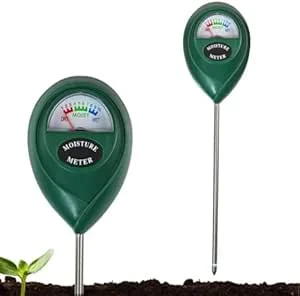 Soil moisture meterHelps check whether the root zone is actually ready for water.View on Amazon (paid link) ↗
 Digital hygrometerHelps track humidity and temperature around sensitive plants.View on Amazon (paid link) ↗Clip-on grow lightUseful for dim rooms, winter care, and plants stretching toward light.View on Amazon (paid link) ↗
As an Amazon Associate, HomePlantBot may earn from qualifying purchases.
Treatment Methods for Environmental Stress
Diagnosing the Root Problem
- Review local weather patterns for recent temperature or rain anomalies.
- Check soil moisture and conditions—compact, soggy, or dry soil can mislead you.
- Inspect leaves, stems, and roots for signs of pest damage or disease. If unsure, refer to our diagnostic guide.
Immediate Treatment Actions
- Rehydrate properly: For water-deprived plants, water deeply at root level and repeat consistently.
- Prune damage: Remove brown, scorched, or diseased plant parts to reduce stress load.
- Regulate microclimate: Deploy covers, mulch, or temporary shade solutions during extreme heat or frost.
- Do not use fertilizer as a general rescue treatment. Investigate roots, water, light and pests first; feed a recovering plant only when its needs and the product instructions support doing so.
Long-Term Recovery Strategies
- Change planting locations: Move sun-sensitive plants to shaded zones or vice versa when needed.
- For a potted houseplant, inspect the root system and potting mix before amending or repotting. Outdoor seasonal manure or soil-amendment routines do not transfer automatically to indoor containers.
- Crop rotation and companions: Avoid planting the same species repeatedly in the same area. Companion planting strengthens defenses and supports biodiversity.
How to Monitor Environmental Stress Automatically with Make.com
You can automate stress detection alerts and monitor temperature, lighting, or moisture levels using Make (formerly Integromat). Here’s how:
- Start a Scenario: Use a timer trigger to run every 6 hours.
- Add a Weather Module: Use a Weather by OpenWeather module to get local forecast data (temperature, UV exposure, etc.).
- Add a Soil Sensor API Module (optional): If you have connected moisture or soil pH sensors, pull this data from an API.
- Choose and test thresholds for the identified species, sensor position and actual measurement units. Example raw percentages or temperatures are not universal plant-stress limits.
- Add Email or SMS Module: Notify yourself or your team when conditions indicate environmental stress risk.
- Log to Google Sheets: Keep a historical record of readings to assess long-term conditions.
- Begin with observation-only alerts. Do not enable unattended watering or environmental control until calibration, failure behavior, dose limits and manual override have been validated.
An alert can report a measurement, but does not establish a diagnosis or guarantee prevention. Validate the sensor and threshold for the actual plant; keep a manual check and safe equipment fallback.
Conclusion
Environmental stress doesn’t need to be a mystery. Recognizing early symptoms—like wilting leaves or stunted growth—and understanding the conditions that cause them empowers gardeners and growers to take meaningful action. Through planning, consistent care, and prompt treatment, many plant stress problems are not only manageable but preventable.
Regularly assess your growing environment, adapt to seasonal changes, and focus on building resilience through soil health, thoughtful placement, and proper hydration. With a proactive mindset, your plants can thrive even under challenging environmental conditions.
Ready to be sure you’re treating the right issue? Visit our Pests, Diseases & Troubleshooting Guide to pinpoint the source of plant problems with confidence.
Consider creating a seasonal checklist tailored to your local climate to stay ahead of the most common environmental threats.
Need help choosing the next care step?
If the symptoms in this article match your plant, use Plant Bot or the rescue checklist before buying anything. A quick diagnosis helps you fix the actual cause, not just the most visible symptom.
Quick decision checklist
- Check the growing conditions before changing everything.
- Adjust one care factor at a time.
- Use symptoms to guide the next step.
- Give the plant time to respond after corrections.
Sources for these corrections
These references support the identified care and evidence limits; they do not establish a universal formula, timetable or product endorsement.