
HomePlantBot care guide
Plant Stands & Shelves
Whether in a cozy apartment, bustling office, or a stylish retail space, plants bring life and freshness to any environment. But how you display your plants is just as important as the greenery itself. Enter plant stands shelves —game-changers in organizing, styling, and caring for your plants with flair.
What you’ll learn in this article
- How to enhance your plant displays using stylish and functional plant stands and shelves
- The different types and materials of plant stands and shelves
- How to choose the best display options for your space, plant type, and decor style
- Essential tools and installation tips for setting up your plant shelving
- Creative decorating ideas to take your plant display to the next level
Affiliate disclosure: HomePlantBot may earn from qualifying purchases through the Amazon links below, at no extra cost to you.
Introduction
Using the right stands and shelves not only enhances the visual appeal of your leafy friends but also improves airflow, sunlight exposure, and maintenance access. With a variety of types, materials, and styles available, it’s easier than ever to find the perfect plant display solution for your space.
Before diving into DIY installation, be sure to check out our comprehensive guide to Tools, Supplies & DIY Essentials to get started the right way.
This guide will explore the benefits of plant stands and shelves, available types and materials, installation best practices, and expert decorating ideas to help you create stunning plant displays that are just as functional as they are beautiful.
Benefits of Using Plant Stands & Shelves
- Optimized use of space: Especially in small homes and apartments, vertical storage solutions like plant shelves help maximize limited square footage.
- Enhanced aesthetics: Different heights, materials, and arrangements create visual interest and elevate your overall decor.
- Better plant health: Improved air circulation and balanced light exposure help plants thrive.
- Easier cleaning: Elevating plants makes it simpler to clean underneath and around them, promoting a tidier space.
- Layered decor: Multi-level plant displays allow you to mix plant types, textures, and sizes for a dynamic setup.
Types of Plant Stands & Shelves
Freestanding Plant Stands
- Single-tier: Great for statement plants or minimalist styles.
- Multi-tier: Ideal for displaying a variety of smaller plants at different heights.
- Foldable designs: Provide flexibility and easy storage for seasonal changes.
Wall-Mounted Shelves
- Floating shelves: Seamlessly integrate into decor; clean, modern look.
- Bracket-mounted: Offer more support and can be styled with industrial or rustic brackets.
Ladder and Leaning Shelves
- Great for modern or rustic interiors: These shelves lean against the wall to provide tiered storage without drilling.
Hanging Plant Shelves
- Macrame or rope-supported: Add artistic flair and elevate your plants to eye level or ceiling installations.
- Perfect for windows: Let light-loving plants bask in sunlight while saving counter space.
Rolling or Mobile Plant Carts
- Sun-seeking plants: Roll carts to adjust plant positions according to sunlight.
- Style versatility: Choose industrial or boho finishes to match your space.
Materials Overview
| Material | Pros | Cons |
|---|---|---|
| Wood (e.g., bamboo, pine, teak) | Natural look, eco-friendly, warm tones | May warp in humidity, requires maintenance |
| Metal (iron, steel, aluminum) | Durable, industrial aesthetic, strong support | Can rust (if untreated), heavier |
| Glass or acrylic | Sleek, modern, light-enhancing | Fragile, not ideal for heavy plants |
| Reclaimed/upcycled materials | Sustainable, adds character | May require refinishing, inconsistent quality |
Helpful products for this care problem
Helpful products for this plant care problem
If this is the issue you are solving, these tools can make the next step easier. They are optional, but they match the care problem covered in this article.
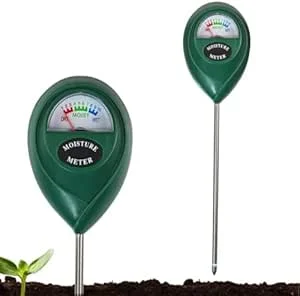 Soil moisture meterHelps check whether the root zone is actually ready for water.View on Amazon (paid link) ↗
 Digital hygrometerHelps track humidity and temperature around sensitive plants.View on Amazon (paid link) ↗Clip-on grow lightUseful for dim rooms, winter care, and plants stretching toward light.View on Amazon (paid link) ↗
As an Amazon Associate, HomePlantBot may earn from qualifying purchases.
How to Select the Right Stand or Shelf for Your Space
- Evaluate the space: Measure floor or wall area, note light direction and traffic zones.
- Plant type & size: Consider the weight and growth potential. Choose stable, sturdy platforms with enough vertical clearance.
- Match your decor style: Rustic charm? Go with reclaimed wood. Minimalist? Try sleek acrylic or floating shelves.
- Indoor vs outdoor: For patios, choose weather-resistant materials like treated wood or coated metal.
- Furniture hybrids: Look for tiered side tables or benches that double as plant displays.
Installation Tips & Tools Needed
Tools & Hardware Checklist
- Drill and drill bits (for securing brackets)
- Screwdrivers
- Wall anchors (for drywall or tile)
- Level and measuring tape
- Stud finder
- Step ladder (for high shelves)
- Full DIY Supplies Checklist
Safety Tips
- Secure heavy shelves to wall studs or use strong anchors.
- Distribute weight evenly across shelves and stands to prevent tipping.
- If you have pets or children, place toxic or breakable items on higher, stable surfaces.
DIY vs Pre-Assembled Options
- DIY: Offers customization—match space, colors, and layout. Requires tools and time.
- Pre-assembled: Ready to use and ideal for renters or those short on time.
Modular & Expandable Options
Look for modular stacking shelves or clip-together tiers that grow with your plant collection over time.
Creative Decor Ideas Using Plant Stands & Shelves
- Vertical jungles: Stack plants on tall ladder shelves to simulate a living green wall.
- Mix textures: Combine wood, metal, and glass elements to add depth and personality.
- Incorporate lighting: Add grow lights, LED strips, or wall-mounted sconces to spotlight your plant babies.
- Seasonal refresh: Swap out pots and plants by season—think poinsettias in winter or spring tulips.
- Living dividers: Use open-sided plant shelves as room partitions that add both privacy and greenery.
- Decorative pots: Upgrade your planters to match your room style—ceramic, wicker, or concrete for different vibes.
- Themed arrangements: Group plants by function or species—succulents, herbs, air purifiers—for practical beauty.
Conclusion
Plant stands and shelves are more than just decorative accessories—they’re functional design solutions that support both plant health and aesthetic goals. When selecting your setup, think about available space, scale, materials, and your personal style.
Most of all, have fun! There are countless creative combinations, so personalize your setup to reflect your personality and plant preferences.
Before you start drilling or decorating, don’t forget your DIY tools & supplies checklist to make installation a breeze.
We’d love to see your plant shelf setups! Share your photos, leave questions in the comments, or subscribe for more plant-based decor inspiration!
Need help choosing the next care step?
If the symptoms in this article match your plant, use Plant Bot or the rescue checklist before buying anything. A quick diagnosis helps you fix the actual cause, not just the most visible symptom.
Quick decision checklist
- Check the growing conditions before changing everything.
- Adjust one care factor at a time.
- Use symptoms to guide the next step.
- Give the plant time to respond after corrections.