
HomePlantBot care guide
Ficus Fiddle-leaf care roadmap
Provide suitable bright indirect light, a draining container and observation-led watering.
What routine should I use for a fiddle-leaf fig?
Provide suitable bright indirect light, a draining container and observation-led watering. Check the root zone and empty excess water; a yellow leaf or brown spot is a reason to investigate, not a diagnosis. Keep a simple record of changes and avoid treating every stalled week as a need for fertilizer or repotting.

Affiliate disclosure: HomePlantBot may earn from qualifying purchases through the Amazon links below, at no extra cost to you.
Follow a steadier fiddle-leaf care roadmap.
Keep the big leaves happier with a calmer light, water, and pruning routine.
Quick take
A roadmap-style guide that keeps fiddle-leaf ficus care organized instead of overwhelming.
- Keep the light bright but softened.
- Water with patience and good drainage.
- Use the extra section below as the action step for this topic.
- The complete lifecycle needs of your ficus fiddle-leaf
- How to tackle common issues like leaf drop and pests
- Step-by-step propagation tips to grow new plants
- A practical roadmap tailored for long-term health and aesthetics
Introduction
The fiddle-leaf fig (Ficus lyrata) has claimed its place as a statement piece in home and office interiors thanks to its majestic, violin-shaped leaves and upright growth habit. Known for its dramatic aesthetic and Instagram-worthy presence, this temperamental but rewarding plant requires precise care to thrive indoors.
Whether you’re a beginner exploring houseplants, an indoor gardening enthusiast, or a small office decorator looking for a greenery upgrade, this guide serves as a complete “ficus fiddle-leaf care roadmap.” From understanding its growth needs to learning how to propagate new plants, you’ll be equipped with tools to help your plant flourish for years to come.
Overview
Botanical Profile: Ficus lyrata
- Scientific Name: Ficus lyrata
- Family: Moraceae
- Origin: Western Africa
- Common Name: Fiddle-Leaf Fig
Fiddle-leaf figs are admired for their large, leathery, violin-shaped leaves that grow upright along a firm central stalk. They’re sensitive to environmental changes, which is why a detailed care roadmap is essential.
Comparison with Other Ficus Species
Unlike its cousins—the Ficus elastica (rubber plant) and Ficus benjamina (weeping fig)—the Ficus lyrata has specific light and humidity requirements that make its care slightly more demanding. For a detailed comparison, check out our ficus care comparison guide.
Environmental Snapshot
| Care Element | Requirement |
|---|---|
| Light | Bright, indirect light |
| Water | When top 1–2 inches of soil are dry |
| Humidity | 40–60% |
| Temperature | 60–75°F (15–24°C) |
| Feeding | Monthly in growing season |
Helpful products for this care problem
Helpful products for this plant care problem
If this is the issue you are solving, these tools can make the next step easier. They are optional, but they match the care problem covered in this article.
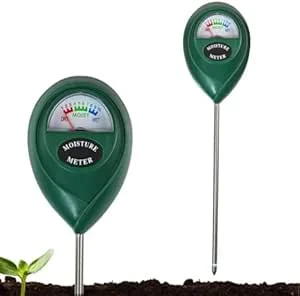 Soil moisture meterHelps check whether the root zone is actually ready for water.View on Amazon (paid link) ↗
 Digital hygrometerHelps track humidity and temperature around sensitive plants.View on Amazon (paid link) ↗Clip-on grow lightUseful for dim rooms, winter care, and plants stretching toward light.View on Amazon (paid link) ↗
As an Amazon Associate, HomePlantBot may earn from qualifying purchases.
Care Requirements: The Fiddle-Leaf Roadmap
Light
The Ficus lyrata thrives in bright, indirect light. Direct sunlight can scorch its leaves, while low light leads to leggy growth and leaf drop.
- Best Spot: Near an east- or north-facing window with filtered light
- Seasonal Tip: Rotate the plant every few weeks for even growth
Watering
Consistency is key. Water when the top 1 to 2 inches of soil feel dry to the touch. Overwatering can lead to root rot, while underwatering causes dry, crispy edges.
- Signs of Overwatering: Yellow leaves, soggy soil, mold growth
- Signs of Underwatering: Drooping leaves, brittle edges
- Helpful Tools: Moisture meter, finger test, breathable pot with drainage
Humidity & Temperature
Fiddle-leaf figs prefer a humid, warm environment that mimics their tropical origin.
- Humidity Range: 40–60%
- Ideal Temperature: 60–75°F (15–24°C)
- Avoid: Drafts, sudden temp drops, heating vents, and cold windowsills
To increase humidity, consider pebble trays or room humidifiers.
Feeding & Soil
Feed according to actual active growth, existing mix nutrients and the selected fertilizer's label. Do not use a fixed monthly formula to rescue a stressed plant.
- Soil Requirements: Well-aerated mix with good drainage. Try combining perlite, peat moss, and bark.
- Repotting: Every 1–2 years or when roots push through drainage holes
- Rootbound Signs: Water runs straight through, slowed growth
Pruning & Shaping
Prune in spring or early summer to maintain shape and promote branching. Remove dead or damaged leaves regularly.
- Tools Needed: Clean, sharp pruning shears
- Leaf Maintenance: Wipe dust with a damp cloth to enhance photosynthesis and appearance
Common Issues and Their Solutions
Leaf Drop
- Possible Causes: Overwatering, low light, sudden environmental changes
- Fix: Move to consistent lighting, adjust watering schedule, avoid moving frequently
Leaf Spots and Yellowing
- Brown Spots: Water stress or root rot
- Yellow Edges: Overwatering or nutrient deficiency
Pest Control
Common invaders include:
- Spider Mites: Fine webs on leaves
- Scale Insects: Lumpy bumps along stems
Identify the pest before treating. Use a product labeled for that pest and indoor plant, follow its application interval and plant-sensitivity directions, and monitor the response. Natural origin does not make a pesticide harmless.
Growth Stalls
- Likely Reasons: Insufficient light, pot-bound roots, or dormant season
- Solution: Evaluate light, repot if needed, and fertilize during growing season
DIY Troubleshooting Checklist
- Assess the usable light reaching the leaves, including intensity, duration and shading. A fixed count of daylight hours does not establish an ideal exposure.
- Inspect roots for overgrowth or rot
- Test soil moisture level
- Look for pest evidence under leaves and stems
Propagation Roadmap
When and How to Propagate
The ideal time is late spring through summer when the plant is in active growth. Propagate mature, healthy plants only.
Propagation Methods
- Water Propagation: Place stem cuttings in clear water until roots form (3–6 weeks)
- Soil Propagation: Dip stem ends in rooting hormone and insert into moist soil mix
Essential Tools
- Sharp pruning shears
- Rooting hormone
- Clear jars or nursery containers
- Plastic bag or humidity dome (for soil cuttings)
Step-by-Step Instructions
- Choose a healthy stem with 2–3 leaves
- Cut at an angle just below a node
- Remove bottom leaves
- Dip in rooting hormone (optional)
- Place in water or soil
- Provide bright, indirect light and consistent humidity
Post-Propagation Aftercare
- Pot a rooted cutting into a draining container proportionate to its actual root system. Do not choose the new pot from a universal cutting-size schedule.
- Gradually introduce to slightly drier conditions
- Fertilize lightly once growth resumes
Conclusion
The journey from buying a fiddle-leaf fig to watching it thrive is as much about commitment as it is about care. By mastering light, water, humidity, soil, and active attention, you set the stage for a resilient and stunning indoor plant.
For those curious about expanding their green space or comparing maintenance difficulty, don’t miss our Ficus Care Comparison of Elastica, Lyrata & Benjamina.
Share your successes or questions in the comments—we love seeing your fiddle-leaf figs in action!
Roadmap for the week
- Check light and leaf orientation once a week.
- Check moisture below the surface and compare pot weight before watering. The appropriate drying point depends on the identified species, root system, pot and conditions; drain excess water rather than following a calendar.
- Rotate the plant so growth stays even.
- Remove the worst damaged leaves, not every leaf with a blemish.
What to remember
Use a steadier fiddle-leaf ficus routine so light, watering, and pruning all stay in sync.
Need help choosing the next care step?
If the symptoms in this article match your plant, use Plant Bot or the rescue checklist before buying anything. A quick diagnosis helps you fix the actual cause, not just the most visible symptom.
Quick decision checklist
- Check the growing conditions before changing everything.
- Adjust one care factor at a time.
- Use symptoms to guide the next step.
- Give the plant time to respond after corrections.
Sources for these corrections
These references support the identified care and evidence limits; they do not establish a universal formula, timetable or product endorsement.