
HomePlantBot care guide
Plant Identification & Visual Guides: The Complete Guide
Welcome, curious plant parents and aspiring botanists! Whether you’re nurturing your first pothos or wondering what mystery stem is sprouting on your windowsill, knowing how to identify your plants is the first step to ensuring they thrive. Plant identification isn’t just fun—it’s fundamental to good care.
What you’ll learn in this article
- How to confidently identify houseplants using visual traits
- Key leaf, stem, and root characteristics to observe
- Tools and mobile apps for plant identification
- Tips on taking clear photos for accurate ID
- Common look-alike species and how to tell them apart
- How to label, catalog, and track your plants for better care
Affiliate disclosure: HomePlantBot may earn from qualifying purchases through the Amazon links below, at no extra cost to you.
Introduction
In this complete guide, we’ll walk you through how to recognize your leafy friends by observing visual traits, from leaf shapes to root types. You’ll also discover the best apps, online tools, and photography techniques to streamline the process. Let’s dig in!
Start here if you’re trying to ID a plant right now using our flowchart.
Why Plant Identification Is Important for Proper Care
Proper ID is more than satisfying curiosity—it directly affects how you care for your plants.
- Watering needs: Succulents like Sansevieria and ferns have drastically different moisture needs.
- Lighting preferences: Some thrive in bright light, while others scorch without shade.
- Feeding schedules: Fertilizer needs vary widely by species and growth stage.
Misidentifying a plant can lead to overwatering, sunburn, or pest outbreaks. Accurate ID lets you choose the best potting mix, understand natural growth patterns, and even propagate confidently. It’s essential for preventing disease and boosting the long-term health of your collection.
Key Leaf Traits to Observe: Shape, Texture, Venation, and Arrangement
Leaves are often the first and easiest clue in identifying a plant. Here’s what to look for:
1. Leaf Shape and Margin
| Leaf Shape | Description |
|---|---|
| Ovate | Egg-shaped, broader at the base (e.g., Rubber Plant) |
| Lanceolate | Long and narrow, tapering to a point (e.g., Snake Plant) |
| Heart-shaped | Looking like a heart (e.g., Philodendron cordatum) |
2. Margins and Venation
- Margins: Smooth, serrated, lobed (helpful for distinguishing figs from Monsteras)
- Venation:
- Parallel (common in monocots like Dracaena)
- Pinnate (like pothos)
- Palmate (like many Begonias)
3. Texture and Arrangement
Feel the leaf—waxy, velvety, or succulent? Texture gives away care needs, too. Leaf arrangement—opposite (like jade), alternate (like diffenbachia), or whorled (e.g., some spider plants)—is a key ID trait.
See how two common houseplants differ side by side: Pothos vs. Philodendron.
Explore different leaf colorations: Types of Variegation Explained
Stem Characteristics and Growth Habits to Note
Stems tell their own story. When observing the stem, note:
- Thickness: Is it thick like a succulent or thin like a vine?
- Color & Texture: Smooth, woody, or spotted? Color can hint at maturity.
- Flexibility: A rigid cactus varies dramatically from a floppy Pilea.
Growth Patterns
- Upright: Examples include Rubber Plants or ZZ Plants.
- Trailing: Pothos, String of Hearts.
- Climbing: Monsteras with aerial roots.
- Rosette-forming: Common in succulents like Echeveria.
Stem traits help you distinguish similar-looking species:
Using Roots and Aerial Structures for Clues
Roots aren’t just underground—they’re powerful ID tools. When repotting, take a look at:
- Aerial Roots: Helpful in vines like Monstera and Philodendrons for climbing support and moisture absorption.
- Bulbous Roots: Plants like Oxalis or ZZ often have bulb-like structures (tubers or rhizomes).
- Color & Texture: White and firm roots are healthy; mushy ones may signal rot.
Root types also indicate care. Thick, succulent-like roots store water—these plants prefer drier soils. Fine fibrous roots may signal regular watering needs.
Helpful products for this care problem
Helpful products for this plant care problem
If this is the issue you are solving, these tools can make the next step easier. They are optional, but they match the care problem covered in this article.
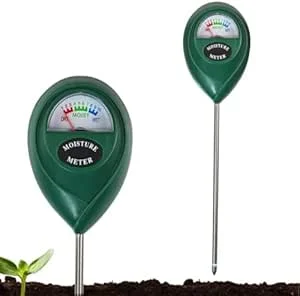 Soil moisture meterHelps check whether the root zone is actually ready for water.View on Amazon (paid link) ↗
 Digital hygrometerHelps track humidity and temperature around sensitive plants.View on Amazon (paid link) ↗Clip-on grow lightUseful for dim rooms, winter care, and plants stretching toward light.View on Amazon (paid link) ↗
As an Amazon Associate, HomePlantBot may earn from qualifying purchases.
Leveraging Online Tools, Apps, and Community Forums for Identification
Technology can make plant ID easier than ever. Here are the most beginner-friendly tools:
1. Plant ID Apps
- PictureThis: Fast and accurate with care tips.
- PlantNet: Offers crowd-sourced identification.
- LeafSnap: Good for common species.
2. Forums & Communities
- Reddit’s r/houseplants
- Facebook groups like Houseplant Hobbyist
- Specialty forums (e.g., orchid or succulent communities)
Tip: Cross-check app results. Apps may misidentify, especially with juvenile plants or variegation.
Taking Clear Photographs to Aid in Diagnosis
Your camera is key to getting good advice online. Here’s how to help others help you:
Photography Best Practices
- Natural lighting is best—avoid direct sunlight and harsh shadows.
- Use a solid background (white wall or table) for contrast.
- Capture multiple angles: full plant, stem close-up, and leaf detail.
Use our DIY tips: Light & Leaf Photo Guide
Photo Checklist
- Top-down shot of leaves
- Side view of stem
- Close-up of nodes or aerial roots
Before posting or submitting, crop and adjust brightness if needed.
Learning to Recognize Common Families and Look-Alike Species
Knowing plant families simplifies the ID process. Here’s a quick guide:
| Family | Typical Traits |
|---|---|
| Araceae (Aroids) | Heart-shaped leaves, aerial roots (Monstera, Philodendron) |
| Asparagaceae | Strappy leaves, drought-tolerant (Dracaena, Snake Plant) |
| Crassulaceae | Succulent, fleshy leaves (Jade, Echeveria) |
Common confusions:
Learn taxonomic clues using our free tool: The Plant Anatomy Glossary
Labeling and Cataloging Your Collection for Future Reference
Once you’ve identified a plant, don’t stop there!
Track Plant Info Effectively
- Use Tags: Label each plant with its name plus care tips.
- Journals: Record care routines and plant dates.
- Apps: Platforms like Planta or Greg track water, light, and repotting schedules.
- Spreadsheets: Great for big collections—include columns for species, source, care routine, and propagation notes.
Why It Matters
When seasons change or issues arise, tracking tools help you adjust care swiftly. It’s also deeply satisfying to see how your green family grows over time.
Conclusion: Discovering the Joy of Confident Plant ID
Take a breath and smile—you’re well on your way to becoming a plant ID pro. From understanding leaf shapes to leveraging apps and communities, you now have the tools to identify, nurture, and love your plants even more deeply.
Remember: every plant is a learning opportunity. Keep asking questions, sharing photos, and getting involved online. Soon enough, you’ll be the one helping others ID their plant mysteries.
Quick Recap of Helpful Guides
- Start Here: ID Your Plant via Flowchart
- Pothos vs. Philodendron
- Variegation Types Explained
- Monstera vs. Split-leaf Philodendron
- Anatomy Glossary
Need help choosing the next care step?
If the symptoms in this article match your plant, use Plant Bot or the rescue checklist before buying anything. A quick diagnosis helps you fix the actual cause, not just the most visible symptom.
Quick decision checklist
- Check the growing conditions before changing everything.
- Adjust one care factor at a time.
- Use symptoms to guide the next step.
- Give the plant time to respond after corrections.