
HomePlantBot care guide
ZZ Plant Dust & leaf shine
The ZZ Plant ( Zamioculcas zamiifolia ) has earned its place as a favorite in homes, offices, and commercial interiors alike. With its rich green, glossy leaves and resilient nature, this plant instantly enhances any space with low maintenance. But keeping your ZZ Plant looking sharp isn’t just about appearances—it directly impacts the plant’s health and longevity.
What you’ll learn in this article
- Why dust accumulation can harm ZZ Plants
- How often to clean ZZ leaves for optimum health
- Best practices for safe natural and commercial leaf shine
- Mistakes to avoid when cleaning or polishing foliage
Affiliate disclosure: HomePlantBot may earn from qualifying purchases through the Amazon links below, at no extra cost to you.
Introduction
Dust removal and safe leaf polishing go a long way in supporting your ZZ’s growth and functionality. In this guide, we’ll explore the crucial link between cleanliness and plant vitality, and show you how to keep your ZZ Plant spotless, glossy, and thriving.
Overview: Why Dust and Shine Matter for ZZ Plants
Due to their thick, waxy leaves, ZZ Plants tend to accumulate dust more noticeably than other houseplants. These smooth, flat surfaces are virtually magnets for household particles, making regular cleaning essential.
Dust build-up clogs the leaf pores (called stomata), reducing the plant’s ability to perform photosynthesis efficiently. In addition, stagnant dust hampers healthy air exchange and can trap moisture, increasing the risk of pests or mildew over time.
Especially in office or business settings, the visual impact of a dusty plant can detract from an otherwise polished environment. A gleaming ZZ Plant signals cleanliness, attention to detail, and professionalism.
For an in-depth look at day-to-day ZZ care, check out our ZZ Plant Care Blueprint.
Care Requirements for Cleaning and Leaf Shine
Dusting Frequency
How often you need to clean your ZZ Plant depends on its location. Homes with open windows or near high-traffic areas may lead to faster accumulation. Generally:
| Environment | Recommended Dusting Frequency |
|---|---|
| Living room with fans/windows | Every 2 weeks |
| Closed office with A/C | Every 3–4 weeks |
| High-dust commercial space | Weekly or bi-weekly |
Use soft materials like a microfiber cloth, feather duster, or soft paintbrush to gently remove debris without damaging the plant.
Proper Cleaning Methods
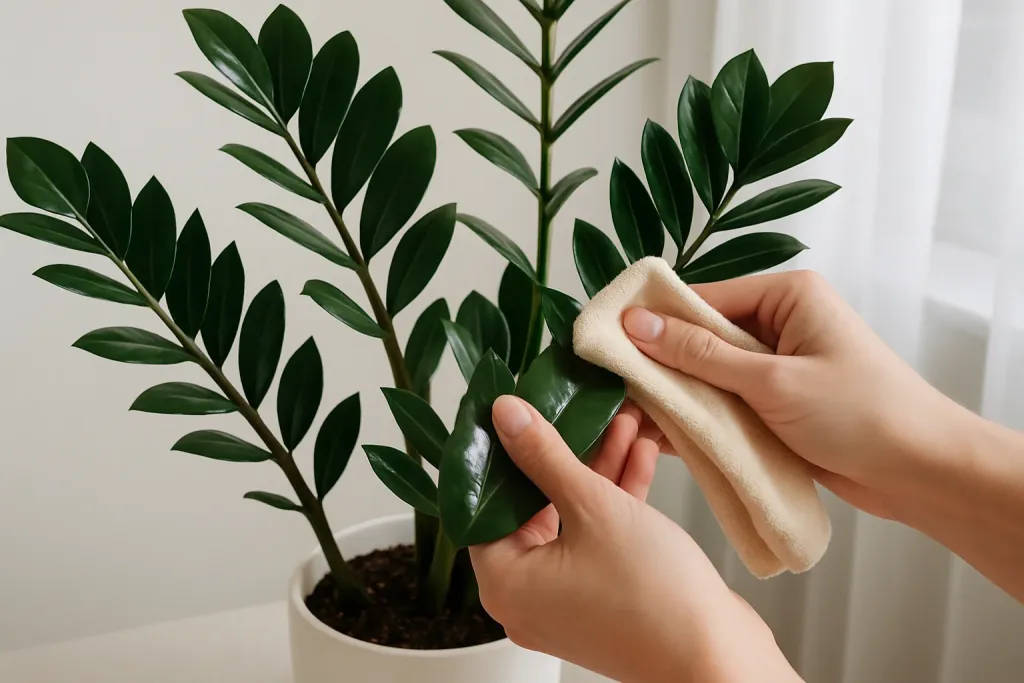
Follow these steps to safely clean your ZZ’s leaves:
- Fill a small bowl with room temperature water. Optionally, add a drop of mild dish soap.
- Dampen a microfiber cloth lightly, ensuring it’s not dripping.
- Support the underside of each leaf with one hand to avoid bending or snapping the petiole.
- Wipe gently from the base to the tip, being sure to clean both upper and lower surfaces.
- Dry if necessary with a fresh cloth to avoid water spots in hard water areas.
Natural Leaf Shine Solutions
Once your plant is clean, you may choose to apply a gentle, natural polish. Keep these options in mind:
- Plain Water: Safest and easiest. Gently buffs natural shine without altering the surface.
- Diluted Coconut Oil: Mix 1 part coconut oil with 10 parts water. Apply lightly with a cloth, but use sparingly to avoid clogging.
- Banana Peel Method: Rub the inside of a banana peel on dry leaves. Leaves a temporary shine but can attract pests if residue remains.
Avoid leaf polishing entirely if you’re dealing with pests, diseases, or fragile new growth. In those cases, simple cleaning is best.
Commercial Leaf Shines
If you prefer commercial leaf shine sprays, choose products that are:
- Silicone-free
- Water-based without artificial fragrance
- Labeled as safe for houseplants
Limit use to special occasions (e.g., events, staging) rather than routine cleaning. Too much product can seal off vital tissues and impact photosynthesis.
Precautions to Keep in Mind
- Over-polishing can damage the plant’s natural protective coating.
- Never use kitchen oils (olive oil, baby oil), which can go rancid and attract dust.
- Avoid soap with degreasing agents, which can burn leaves.
- Test any new product or method on a single leaf first before applying broadly.
Helpful products for this care problem
Helpful products for this plant care problem
If this is the issue you are solving, these tools can make the next step easier. They are optional, but they match the care problem covered in this article.
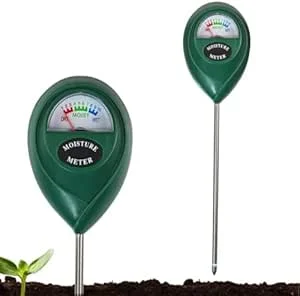 Soil moisture meterHelps check whether the root zone is actually ready for water.View on Amazon (paid link) ↗
 Digital hygrometerHelps track humidity and temperature around sensitive plants.View on Amazon (paid link) ↗Clip-on grow lightUseful for dim rooms, winter care, and plants stretching toward light.View on Amazon (paid link) ↗
As an Amazon Associate, HomePlantBot may earn from qualifying purchases.
Common Issues from Dust and Over-Shining
Neglect or overzealous polishing can lead to a number of ZZ Plant issues:
- Yellowing or Dull Leaves: Indicates blocked stomata or insufficient light caused by debris buildup.
- Sticky Residue: From using unsuitable products, which may attract mites or fungal spores.
- Pest Infestation: Cleaning times are great opportunities to inspect for mealybugs or spider mites.
- Damaged Leaf Texture: Excessive scrubbing or using abrasive cloths can wear away the plant’s natural gloss.
The key is to strike a balance—clean often enough for health, but gently enough to preserve the integrity of your plant.
Propagation & Maintenance Considerations
If you’re propagating your ZZ Plant, hygiene plays a significant role. Dirty parent plants can harbor bacteria or pests that compromise cuttings. Prioritize cleanliness before propagating to give young shoots the best start possible.
Propagation through division or stem cuttings benefits greatly from dust-free leaves and sterilized tools. This reduces the likelihood of infection or rot.
In hydroponic setups, you may notice less dust buildup overall, but mineral deposits from water can still mar leaves. Wipe gently with distilled water in these cases. In soil-grown ZZs, regular cleaning is a must due to ambient dust from potting mix or surroundings.
Conclusion
A shiny ZZ Plant isn’t just more attractive—it’s a sign of good health. Regular cleaning helps the plant “breathe” better, soak up light, and resist pests, while also boosting its aesthetic value for both home and business environments.
The best approach? Keep it simple. Stick to monthly sessions where you can dust, inspect, and refresh your plant’s environment. Avoid over-polishing and stick with natural or light commercial solutions as needed.
Ready to create a long-term care habit? Follow our monthly ZZ routine or dive deeper with our ZZ Plant Care Blueprint to master every aspect of ZZ care—from soil to shine.
- Sources
- University of Florida IFAS Extension on Indoor Plant Maintenance
- National Gardening Association – Houseplant Leaf Care Trends
Need help choosing the next care step?
If the symptoms in this article match your plant, use Plant Bot or the rescue checklist before buying anything. A quick diagnosis helps you fix the actual cause, not just the most visible symptom.
Quick decision checklist
- Check the growing conditions before changing everything.
- Adjust one care factor at a time.
- Use symptoms to guide the next step.
- Give the plant time to respond after corrections.