
HomePlantBot care guide
Houseplants A–Z: Find Your Perfect Plant
Choose using actual light, watering access, mature size and household exposure risks.
Which houseplant fits the conditions you can provide?
Choose using actual light, watering access, mature size and household exposure risks. Low-light tolerance does not mean no light. This is a selected directory, not a complete A–Z inventory; use the linked care guides for the identified plant.
What you’ll learn in this article
- Understand the benefits of houseplants for your space—whether at home or work
- Explore different types of houseplants from A to Z, breaking down their key traits
- Learn how to select the right plant based on light, care level, size, or aesthetic
- Get practical tips on daily and long-term plant care to keep your greenery thriving
Affiliate disclosure: HomePlantBot may earn from qualifying purchases through the Amazon links below, at no extra cost to you.
Introduction
Indoor greenery is having a moment—and for good reason. From office desks to home entryways, houseplants are popping up everywhere. But they’re more than just trendy decor: a plant collection can add visual interest, but it is not an established substitute for source control, ventilation or appropriate air filtration. Whether you’re greening your business lobby or just brightening your living room, the right plant can transform a space.
This A–Z guide will walk you through a selection of easy-to-love houseplants, with tips on choosing the right one for your environment—and how to keep it thriving.
Benefits & Characteristics of Houseplants
A. Benefits of Bringing Plants Indoors
- Air purification: A reasonable collection of houseplants is not established to remove significant indoor pollutant quantities; use source control and appropriate ventilation.
- Boosts wellness: Studies suggest indoor greenery can elevate focus, reduce stress, and foster a positive mood—especially helpful in work settings.
- Design upgrade: A leafy corner or hanging plant adds depth, texture, and visual calm.
- Budget-friendly refresh: Compared to renovations or redecorating, houseplants are a cost-effective way to improve interiors.
B. Key Characteristics to Identify
| Characteristic | Description | Why It Matters |
|---|---|---|
| Light Requirements | Ranges from full sun to shaded corners | Ensures your plant gets what it needs to thrive |
| Watering Needs | Some plants like moist soil; others prefer to dry out | Helps avoid root rot or shock |
| Growth Habits | Compact, climbing, or trailing patterns | Match plant size and shape to available space |
| Maintenance Level | Beginner-friendly to more demanding varieties | Fits your availability and interest |
| Pet Safety | Some plants are toxic to cats/dogs | Key for animal-friendly homes or businesses |
Houseplants A–Z: Selection Tips & Plant Profiles
Here’s a curated list of indoor plants—alphabetically organized—with care info, ideal locations, and helpful tips to match your space and schedule.
A: Aloe Vera
- Best for: Sunny kitchens or window-lit desks
- Light: Bright, direct light
- Care Tip: Let the soil completely dry before watering
- Bonus: Do not treat a plant-selection guide as medical advice or consume an unidentified plant
B: Bird’s Nest Fern
- Best for: Bathrooms or humid shelves with indirect light
- Light: Filtered or low light
- Maintenance: Medium; needs humidity
- Pro Tip: Use a humidity tray or position near a shower
C: Chinese Evergreen (Aglaonema)
- Best for: Reception desks or dim corners
- Light: Tolerates low light
- Care: Ideal for beginners; very forgiving
- Bonus: Attractive foliage in varying shades
D: Dracaena Marginata
- Best for: Conference rooms or lobby corners
- Light: Indirect light
- Care: Low-maintenance
- Note: Check the exact species in a veterinary toxicity reference and prevent access; do not infer severity from this directory
E: English Ivy
- Best for: Hanging baskets or wall planters
- Light: Bright, indirect sunlight
- Tip: Trim weekly to help it stay full
F: Fiddle Leaf Fig
- Best for: Large, dramatic indoor spaces
- Light: Bright, filtered light
- Care: Moderate; sensitive to change
- Pro Tip: Rotate weekly to prevent leaning
M: Monstera Deliciosa
- Best for: Statement piece in creative studios
- Light: Bright, indirect sunlight
- Growth: Fast-growing; may need staking
P: Pothos (Epipremnum Aureum)
- Best for: Offices, bookshelves, even cubicles
- Light: Tolerates low to bright light
- Care: Very easy and forgiving
- Bonus: Decorative climbing or trailing plant; not an air-cleaning appliance
S: Snake Plant (Sansevieria)
- Best for: Entryways, low-light offices
- Light: Low to bright light
- Water: Infrequent; once every 2+ weeks
- Ideal for: Busy professionals
Z: ZZ Plant (Zamioculcas Zamiifolia)
- Best for: Low-light spaces or neglected corners
- Water: Extremely low water needs
- Benefit: One of the hardiest indoor plants available
Want to see the full list and dive deeper into options from A–Z? Click here to view our complete houseplant directory.
Helpful products for this care problem
Helpful products for this plant care problem
If this is the issue you are solving, these tools can make the next step easier. They are optional, but they match the care problem covered in this article.
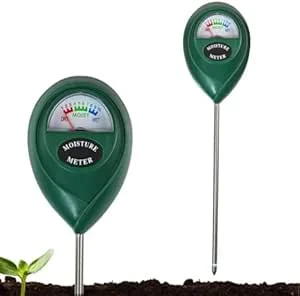 Soil moisture meterHelps check whether the root zone is actually ready for water.View on Amazon (paid link) ↗
 Digital hygrometerHelps track humidity and temperature around sensitive plants.View on Amazon (paid link) ↗Clip-on grow lightUseful for dim rooms, winter care, and plants stretching toward light.View on Amazon (paid link) ↗
As an Amazon Associate, HomePlantBot may earn from qualifying purchases.
Essential Tips for Choosing Your Perfect Plant
A. Match Your Space
- Assess natural light throughout the day—it matters!
- Measure space before buying a larger plant
- Check humidity: bathrooms = good for moisture-lovers
B. Think About Your Role (or Business Type)
- Hospitality settings: Opt for visual impact with low care needs
- Office setups: Choose productivity boosters like Sansevieria, Pothos
C. Choose Based on Effort Level
- Low-effort: Snake plant, ZZ plant, pothos, aloe vera
- Moderate to high: Monstera, fiddle leaf fig, fiddle-leaf fig
D. Factor in Safety
- Check for toxicity before placing in pet or child-accessible areas
Care Instructions: Keeping Your Plant Thriving
A. General Care Guidelines
- Watering: Use the identified plant's needs and check the actual root zone; there is no universal top-inch trigger for this mixed directory.
- Sunlight: Rotate a quarter turn weekly for even growth
- Repotting: Every 1–2 years, or when roots outgrow pot
B. Common Problems and Quick Fixes
| Issue | Cause | Quick Fix |
|---|---|---|
| Yellow Leaves | Overwatering | Let soil dry and reduce watering frequency |
| Brown Tips | Low humidity or over-fertilizing | Trim tips, increase humidity, reduce feeding |
| Pest Infestation | Spider mites, mealybugs | Separate the plant and inspect for a pest; use an appropriate physical control or product labeled for the identified pest and indoor plant |
C. Long-Term Plant Health Tips
- Dust leaves monthly for sunlight absorption
- Fertilize lightly every 4–6 weeks in spring/summer
- Observe and adapt care—plants “speak” through their leaves
Conclusion
With benefits for your air, mood, and design, houseplants are low-cost, high-reward additions to any space. Whether you’re adding a calming presence to a break room or creating cohesion in your customer-facing lobby, the right plant can make a difference.
Don’t be afraid to start small. As your comfort and confidence grows, so can your greenery. Explore more indoor plant options in our full directory: Houseplant Types A–Z.
Every plant has a personality. The perfect match is out there—what’s yours?
- Need help deciding? Bookmark this guide and come back as your collection grows! 🌿
Need help choosing the next care step?
If the symptoms in this article match your plant, use Plant Bot or the rescue checklist before buying anything. A quick diagnosis helps you fix the actual cause, not just the most visible symptom.
Quick decision checklist
- Check the growing conditions before changing everything.
- Adjust one care factor at a time.
- Use symptoms to guide the next step.
- Give the plant time to respond after corrections.
Shortlist before you shop
Write down your brightest available location, room for mature growth, ability to lift or drain the pot and whether children or pets can reach it. Eliminate unsuitable candidates before comparing appearance. Do not purchase equipment solely because a generic product card appears here.
Sources for these corrections
This source check supports targeted corrections and practical guidance. It does not establish a complete fact-check of every legacy claim or a plant-growth trial.