
HomePlantBot care guide
Pothos Trailing vs climbing
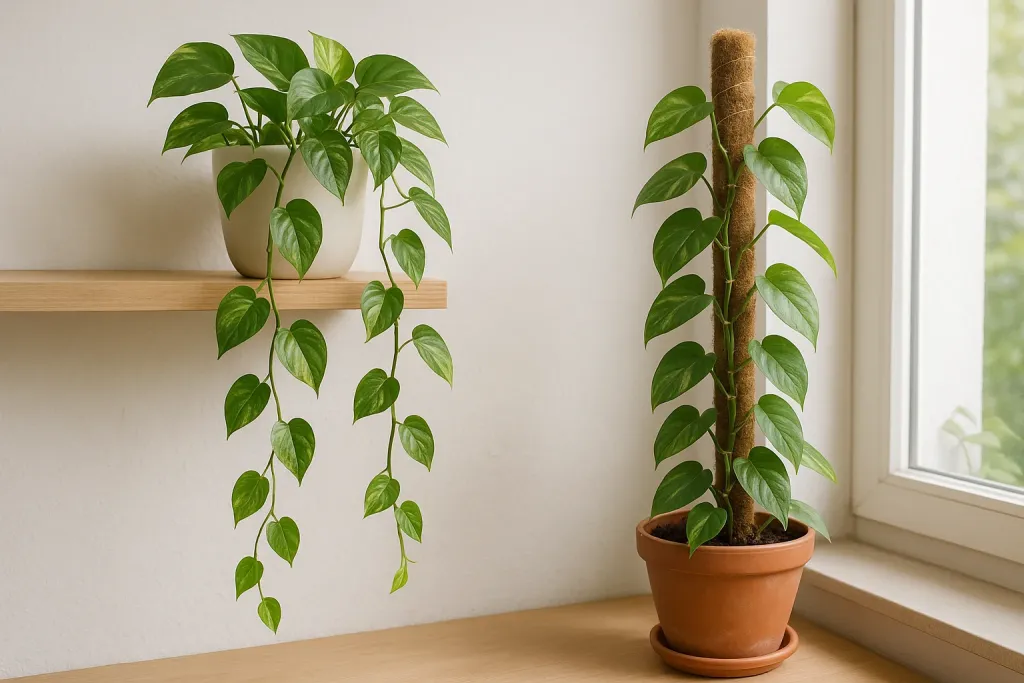
Pothos ( Epipremnum aureum ) is one of the most beloved houseplants, prized for its resilient nature and cascading vines. Whether you’re new to indoor gardening or a seasoned plant enthusiast, you’ve likely admired a pothos trailing elegantly from a shelf or climbing a moss pole with dramatic flair.
What you’ll learn in this article
- Discover the natural growth behaviors of pothos and how to replicate them indoors
- Understand the differences between trailing and climbing pothos styles
- Learn which support systems work best: moss poles, planks, trellises, and more
- Master techniques for pruning, training, and shaping your plant
- Explore propagation methods while maintaining an attractive display
- Get tips for ongoing maintenance, light needs, fertilization, and support adjustments
Affiliate disclosure: HomePlantBot may earn from qualifying purchases through the Amazon links below, at no extra cost to you.
Introduction to Training and Growth Habits
In their tropical native habitats of Southeast Asia and the Pacific Islands, pothos climb trees using their aerial roots or sprawl along forest floors. Indoors, however, pothos require guidance to replicate these behaviors. Training your pothos not only helps mimic its natural environment but also ensures better light exposure, space optimization, and aesthetic appeal.
Understanding how and why to train pothos is the first step in shaping your perfect indoor jungle. Let’s examine the two main growth options—trailing and climbing—and how to support each.
Trailing vs Climbing Growth
Key Definitions
| Growth Style | Description |
|---|---|
| Trailing | Vines grow downward over pot edges or hang from shelves and baskets |
| Climbing | Vines grow vertically when secured to a structure such as a moss pole or trellis |
Benefits of Trailing
- Low-maintenance and space-efficient for shelves, hanging baskets, or window sills
- Allows natural vine lengthening and dramatic draping effects
- Ideal for renters or temporary arrangements
Benefits of Climbing
- Promotes larger, more mature leaf growth over time
- Creates a tidy, vertical plant profile—perfect for urban spaces
- Encourages compact growth by guiding stems upward
How to Choose
When deciding between trailing and climbing:
- Limited Light? Place trailing pothos near brighter windows where the vines can drape downward to catch rays.
- Small space? Use vertical supports to grow pothos upward and save floor space.
- Looking to impress? Train a climbing pothos with mature, fenestrated leaves for a bolder look.
Selecting Supports (Moss Poles, Planks, Trellises)
To climb indoors, pothos need help. Their aerial roots latch onto textures, so providing the right support is key. Here are common support types:
Moss Poles
- Offer a natural look and retain moisture, encouraging root attachment
- Come in various sizes and can be extended as your plant grows
- Must be soaked regularly to remain effective
Wood Planks or Coco Poles
- Rustic or minimalist appearance – great for modern decor
- DIY options using cedar boards or cork bark are inexpensive and customizable
- Offer a firm surface for aerial roots to grip
Trellises and Grid Systems
- Wall-mounted or pot-inserted for decorative climbing displays
- Perfect for sculptural forms or framing windows and doorways
- Often used with command hooks or garden staples for easy attachment
Installation Tips
- Push poles deeply into the soil, close to the plant’s base, for stability
- Ensure wall-mounted systems are anchored safely to protect your plant and wall
- Check periodically for leaning or instability as the plant grows
Techniques for Shingling/Climbing
In the wild, pothos cling tightly to tree trunks, laying their leaves flat (“shingling”) as they climb. While yours may not fully shingle indoors, you can train them to mimic this behavior.
Attachment Methods
- Tying: Use soft plant Velcro, twine, or garden tape to gently bind vines to your support
- Pinning: Small u-shaped plant pins or paper clips can secure vines to wood planks
- Early Training: Begin when vines are young and flexible for best results
Encouraging Aerial Root Attachment
- Mist moss poles frequently or soak them weekly to keep them damp
- Place your plant in a humid area (like a bathroom with natural light) to boost adherence
- Rotate the support slightly to face the plant’s new growth direction
Helpful products for this care problem
Helpful products for this plant care problem
If this is the issue you are solving, these tools can make the next step easier. They are optional, but they match the care problem covered in this article.
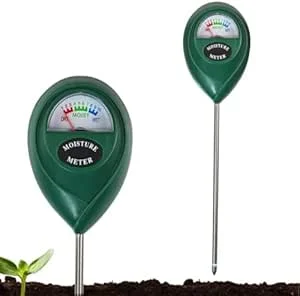 Soil moisture meterHelps check whether the root zone is actually ready for water.View on Amazon (paid link) ↗
 Digital hygrometerHelps track humidity and temperature around sensitive plants.View on Amazon (paid link) ↗Clip-on grow lightUseful for dim rooms, winter care, and plants stretching toward light.View on Amazon (paid link) ↗
As an Amazon Associate, HomePlantBot may earn from qualifying purchases.
Pruning and Shaping
Proper pruning encourages bushier vines and helps you maintain your plant’s desired form, whether trailing or climbing.
For Trailing
- Snip just above leaf nodes to stimulate side shoots
- Remove leggy, gap-filled vines to keep your plant full
For Climbing
- Trim unruly vines to maintain symmetry along support structures
- Cut back vines that veer away from the pole to redirect growth
Helpful Tools
- Sharp, clean pruning shears or scissors to prevent tissue damage
- Gloves to protect your hands from sap
- Sanitize all tools between plants to avoid cross-contamination
Propagation While Training
Pruning time is also a perfect chance to propagate. You can root cuttings to create more plants—or even plant them back with the original for a fuller look.
Propagation Steps
- Take cuttings below a node with at least 1–2 leaves per cutting
- Place in a clear jar of clean water or moist soil
- Wait 2–4 weeks for roots to form (change water every few days)
- Plant rooted cuttings back into the original pot or new containers
Creative Uses for Cuttings
- Fill out sparse areas on the same plant
- Start new climbing or trailing plants for symmetrical decor
- Give them as gifts to fellow plant lovers
Maintenance and Aftercare
Keeping your setup thriving takes some ongoing care. Whether climbing or trailing, small habits make a big difference.
Light & Positioning
- Bright, indirect light is ideal; low light slows growth
- Consider grow lights for north-facing rooms or winter months
- Rotate plants weekly to prevent lopsided growth
Cleaning & Hydration
- Wipe leaves regularly with a soft, damp cloth to remove dust
- Mist moss poles or supports to refresh humidity
Fertilizing
- Use a balanced liquid fertilizer monthly during spring and summer
- Cut back in winter when growth slows
Monitoring Supports
- Check moss poles or trellises for mold or bending
- Upgrade to taller or thicker supports as your pothos matures
Conclusion
Whether cascading from a cozy bookshelf or standing tall with lush vertical growth, pothos provide endless styling potential. Both trailing and climbing styles offer unique beauty and are easy to manage with the right guidance.
Assess your space, lighting conditions, and creative goals. Don’t be afraid to experiment—or even let your pothos climb half way up a moss pole while the rest trails below. With regular care and a few tried techniques, your pothos can become a flexible, thriving focal point in any room.
Want to dive deeper? Don’t miss our in-depth care guide → Pothos Care Blueprint for Common Varieties
Need help choosing the next care step?
If the symptoms in this article match your plant, use Plant Bot or the rescue checklist before buying anything. A quick diagnosis helps you fix the actual cause, not just the most visible symptom.
Quick decision checklist
- Check the growing conditions before changing everything.
- Adjust one care factor at a time.
- Use symptoms to guide the next step.
- Give the plant time to respond after corrections.