
HomePlantBot care guide
First Repot (or Not?): Timing Your New Plant’s Move
Bringing home a new plant is an exciting milestone. Whether it’s a lush pothos, an architectural snake plant, or a trendy monstera, welcoming green life into your home invites joy—and responsibility. One of the first questions many plant parents face is deceptively simple: should you repot it right away?
What you’ll learn in this article
- How to assess if your new plant needs immediate repotting
- Reasons why waiting may be better for plant health
- Urgent symptoms that make repotting necessary
- How to repot carefully to reduce shock and boost growth
- Alternatives to repotting when you’re not quite ready
Affiliate disclosure: HomePlantBot may earn from qualifying purchases through the Amazon links below, at no extra cost to you.
Introduction
This choice may seem minor, but timing your plant’s move can make a big difference in its health and ability to thrive. Some plants settle just fine in their nursery pots for weeks, while others desperately need new soil and space from day one.
In this beginner-friendly guide, we’ll help you understand when to repot immediately, when to wait, and what steps to follow for a stress-free transition. Want a more complete onboarding process for your plant? Visit our new plant onboarding guide.
Should You Repot Right Away? A Quick Assessment
Contrary to common impulse, not every plant needs to be repotted the day it comes home. Many arrive in suitable pots and soil and need only time, light, and hydration to adjust to their new surroundings.
Initial Priorities
- Acclimation: Let your plant adjust to new light and humidity conditions.
- Hydration: Offer water only when the soil is dry, as needed.
- Quarantine: Keep new plants separate for 2–4 weeks to monitor for pests or diseases.
Ask Yourself:
- Are roots visible circling the top or poking out the bottom of the pot?
- Is the soil dry, crusty, smelly, or full of bugs?
- Does the pot feel overly tight or unstable?
Visual Clues to Examine
| Clue | What It Might Mean |
|---|---|
| Roots spiraling tightly | Likely rootbound; consider repotting |
| Moisture-retaining soil with fungus gnats | Soil is too wet or decomposed; may benefit from repotting |
| Healthy, firm soil and no root crowding | Repotting can wait |
When (and Why) to Delay Repotting
Moving a plant can be stressful on its own. Adding the trauma of repotting too soon may do more harm than good—especially for sensitive species.
Key Reasons to Wait
- Reduces stress: Give your plant time to adapt to light, temperature, and routine changes.
- Improved stability: Initial weeks help the plant stabilize before root disturbance.
- Time to observe: You’ll be able to spot signs of pests or decline before introducing new variables like soil.
General rule: wait 2–4 weeks before repotting, unless urgent signs are present.
Signs Your Plant Has Stabilized
- New leaf growth or buds
- Nutrient uptake appears normal (not dropping leaves, no yellowing)
- No visible pests or signs of disease
Signs That Repotting Is Urgent
Sometimes repotting simply can’t wait. A sick, suffocating, or infested plant may suffer further in its original pot. Make a fast but gentle intervention if you see the following red flags:
- Root overgrowth: Roots loop around the surface or push through bottom holes
- Compacted or moldy soil: Poor drainage allows fungal overgrowth and bacterial spread
- Pests: Fungus gnats, mealybugs, or spider mites visible on soil or stem
- Constant thirst: Frequent drooping even right after watering may signal poor water retention or overgrowth
Use This Repotting Decision Checklist
| Symptom | Action |
|---|---|
| Roots poking out of pot | Repot as soon as possible |
| Visible insect pests | Repot with sanitation protocols |
| Soil mold or foul odor | Repot and replace soil |
| Stable, pest-free plant | No rush—wait 2–4 weeks |
Helpful products for this care problem
Helpful products for this plant care problem
If this is the issue you are solving, these tools can make the next step easier. They are optional, but they match the care problem covered in this article.
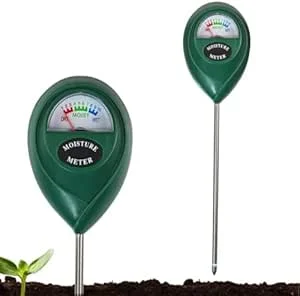 Soil moisture meterHelps check whether the root zone is actually ready for water.View on Amazon (paid link) ↗
 Digital hygrometerHelps track humidity and temperature around sensitive plants.View on Amazon (paid link) ↗Clip-on grow lightUseful for dim rooms, winter care, and plants stretching toward light.View on Amazon (paid link) ↗
As an Amazon Associate, HomePlantBot may earn from qualifying purchases.
How to Choose a New Pot and Fresh Soil
When you do decide to repot, upgrading your container and potting mix properly is key for transitioning with care.
Pot Sizing Basics
- Choose a pot 1–2 inches wider than the current one
- Too large can hold excess water and risk root rot
Pot Types
- Ceramic: Stylish and stable but heavier
- Plastic: Lightweight and holds moisture well
- Terracotta: Breathes well, ideal for succulents and cacti
Make sure your container has proper drainage holes to avoid soggy roots.
Choosing the Right Soil
Select a high-quality potting mix suited for your plant type:
- Succulents/Cacti: Gritty, fast-draining mix
- Tropical plants: Rich, aerated mix with perlite or bark
- Orchids: Bark-based mix with coarse chunks for airflow
Repotting Steps: Gentle Yet Thorough
What You’ll Need
- Gloves and towel or tarp
- New pot with drainage
- Fresh potting mix
- Clean shears for root trimming
Step-by-Step Guide
- Water the plant lightly a day before repotting to ease root removal.
- Carefully remove the plant, keeping root ball intact if possible.
- Loosen tangled roots. Trim any dead, mushy, or overly long strands.
- Remove 25–50% of old soil, particularly if moldy or dense.
- Place the plant in center of new pot and fill with soil around roots.
- Tamp soil gently to eliminate air gaps without compacting.
- Ensure the plant’s crown stays level with old soil line.
Watering and Monitoring Post-Repot
- First water: Soak soil fully until it drains out the bottom to settle roots.
- Light: Place plant in bright, indirect light to help with recovery.
- Monitor: Wilting, yellow drops, or leaf loss may indicate transplant shock.
- Normal routine: Resume watering once soil dries to proper level.
Alternatives If You’re Not Ready to Repot
If it’s not the right time for a full repot, there are still ways to support your plant’s growth temporarily and keep it healthy.
- Nursery pot wait: Healthy plants can stay in nursery pots for weeks or months if roots aren’t tight.
- Decorative cachepots: Slip the inner nursery pot into a stylish outer pot – no repotting needed.
- Top dressing: Remove and replace the top 1–2” of old soil to improve appearance and nutrients.
- Spot treat: Address minor pest or mold issues with sprays or soil treatments without full intervention.
Conclusion: Making an Informed Choice
Successful plant parenting often comes down to listening—to your intuition, and to the signals your plant is sending. Although some signs clearly indicate it’s time to repot, more often, patience is the best first step.
- Repot promptly if roots are constricted, pests are present, or the soil is failing.
- If your plant seems stable and healthy, give it time to adapt before disrupting it with a move.
- Your environment and lifestyle matter too—so find what works best for you and your plant.
With the right timing and thoughtful care, your plant’s roots will grow strong and healthy in their new home. Want more help during onboarding? Revisit our plant acclimation guide.
Reader Question:
When did you first repot your latest plant? Share your experience in the comments below!
Need help choosing the next care step?
If the symptoms in this article match your plant, use Plant Bot or the rescue checklist before buying anything. A quick diagnosis helps you fix the actual cause, not just the most visible symptom.
Quick decision checklist
- Check the growing conditions before changing everything.
- Adjust one care factor at a time.
- Use symptoms to guide the next step.
- Give the plant time to respond after corrections.