
HomePlantBot care guide
Moss Poles 101: Types, When & How to Use Them
A moss pole is a vertical support structure made of moisture-retentive material—like sphagnum moss or coco coir—that climbing plants can attach to with their aerial roots. It mimics the natural environment of vining tropical species, helping them grow vertically and thrive indoors.
What you’ll learn in this article
- Understand what moss poles are and how they benefit climbing plants
- Learn the pros and cons of different moss pole materials
- Discover when and how to install moss poles without damaging your plant
- Master techniques for attaching vines and keeping poles moist
- Explore alternatives like trellises and moss boards
Affiliate disclosure: HomePlantBot may earn from qualifying purchases through the Amazon links below, at no extra cost to you.
Introduction: Why Moss Poles Matter for Climbing Plants
What is a Moss Pole?
Benefits of Vertical Support
- Mimics natural growth: In the wild, plants like Monstera climb trees. Moss poles recreate this condition indoors.
- Healthier growth: Encouraging upright growth leads to larger, more mature leaves and prevents sprawling across surfaces.
- Better airflow and aesthetics: A vertical plant saves space and makes your indoor jungle look more intentional and lush.
What’s Ahead in This Guide
We’ll walk through different moss pole types, when your plant needs one, how to install and maintain it, and what to try if poles aren’t the right fit for your setup.
Understanding the Role of Moss Poles in Supporting Climbing Plants
Why Certain Plants Need Support
Some popular houseplants—like Monstera deliciosa, Epipremnum aureum (Pothos), and climbing Philodendrons—develop aerial roots in search of a structure to climb. Without support, they sprawl and often grow leggy and unstable.
How Moss Poles Encourage Aerial Roots
When aerial roots find a moist, fibrous surface like a moss pole, they grip it and begin to root into the material. This anchoring stimulates healthy upward growth and leaf development.
📚 Check out our guide to training supports and plant shaping
Comparing Moss Pole Materials: Sphagnum, Coco Coir, Wood & DIY Options
Sphagnum Moss Poles
- Moisture retention: High
- Best for: Plants that crave humidity (e.g., Philodendron Melanochrysum)
- Pros: Soft texture, promotes root attachment, visible growth
- Cons: More expensive; needs frequent misting
Coco Coir Poles
- Eco-friendliness: Made from coconut husks
- Moisture retention: Moderate
- Pros: Widely available, budget-friendly
- Cons: Not ideal for the thirstiest climbers
Wooden Stakes and Trellises
- Function: Provide simple structure
- Moisture benefit: None
- Appearance: Clean, minimal aesthetic
- Best use: Decorative vines or short-term training
DIY Moss Pole Options
- PVC pipe with mesh or moss wrap: Durable and reusable
- Wire frame poles: Custom size and shape
- Bark boards: Natural textures plants enjoy
- Benefits: Budget-friendly, customizable
Comparison Table
| Type | Moisture Retention | Appearance | Cost |
|---|---|---|---|
| Sphagnum Moss | High | Natural, fluffy | $$ |
| Coco Coir | Medium | Rustic, fibrous | $ |
| Wooden Stake | None | Minimal | $ |
| DIY PVC/Wire | Varies | Custom | $ |
When Your Plant Needs a Moss Pole—and Choosing the Right Size
Signs a Climber is Ready for Support
- Trailing vines become droopy or tangled
- Aerial roots begin reaching out with no surface to cling to
- Top-heavy foliage or stems tilt the plant
Choosing the Right Height and Width
- Pick a pole at least 6–12 inches taller than the current plant height
- Diameter should be proportionate to the root system and pot size
Matching Pole Type to Plant Type
- Humidity lovers: Sphagnum moss provides ideal moisture
- Fast growers: Durable DIY PVC or stackable systems
- Decorative vines: Trellises or wooden frames may suffice
Installing a Moss Pole Without Damaging Roots
Best Time to Install
The safest time to install a moss pole is during repotting. This allows you to insert it without disturbing established roots.
Step-by-Step: How to Insert a Pole
- Pre-moisten the moss to prevent shock to roots
- Create space beside the root ball, not through it
- Anchor the pole deep into the pot and tamp soil around it firmly
Installing into an Already Potted Plant
- Use a slim stake to probe for an open root space
- Gently insert the pole and secure it with ties to the pot rim if needed
- Avoid overcompacting soil, which limits root breathing and growth
Helpful products for this care problem
Helpful products for this plant care problem
If this is the issue you are solving, these tools can make the next step easier. They are optional, but they match the care problem covered in this article.
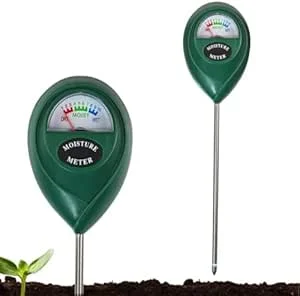 Soil moisture meterHelps check whether the root zone is actually ready for water.View on Amazon (paid link) ↗
 Digital hygrometerHelps track humidity and temperature around sensitive plants.View on Amazon (paid link) ↗Clip-on grow lightUseful for dim rooms, winter care, and plants stretching toward light.View on Amazon (paid link) ↗
As an Amazon Associate, HomePlantBot may earn from qualifying purchases.
Attaching Vines: Gentle Techniques That Don’t Harm Plants
Safe Attachment Methods
- Soft plant ties
- Garden Velcro strips
- Plastic or rubber plant clips
Guiding Vines and Roots
Firmly secure the vine stem near aerial roots to the moss pole. As roots touch the moist surface, they’ll begin rooting into it.
Monitoring and Adjusting
- Loosen ties as stems thicken
- Redirect runaway vines gently to promote vertical growth
Keeping Moss Poles Moist to Encourage Root Clinging
Why Moisture Matters
Moisture serves as a trigger for aerial roots to grip and grow into the moss surface, improving nutrient uptake and stability.
How to Water a Moss Pole
- Misting: Light and frequent using a spray bottle
- Dripping: Use a watering can to pour water down from the top
- Soaking: Saturate thoroughly during plant watering sessions
Helpful Watering Additions
- Wicking cords: Draw moisture from a reservoir into the pole
- Self-watering pots: Sustain longer-term moisture with less effort
When Your Plant Outgrows the Pole: Extending or Replacing
Signs It’s Time to Upgrade
- Vine tips begin to hang off the top of the current pole
- Anchoring roots go beyond pole limits
How to Extend a Moss Pole
- Stack another pole on top using clips or zip ties
- Wrap with the same material to blend the extension
- Secure tight joins to prevent wobbling
Swapping for a Larger Pole
- Loosen ties and gently unwind vines
- Install the new pole beside the old one during repotting if possible
Considering Alternatives: Moss Boards, Trellises & Other Supports
Moss Boards
Instead of round poles, moss boards offer a flat clinging surface—ideal for broad-leaved species like Monstera dubia and shingling plants.
Trellises
For string-of-hearts or hoyas, trellises offer a decorative shape while guiding their growth upward and outward.
Other Plant Shaping Supports
Netting, frames, and loop stakes work for specific growth goals. 🌱 Browse our guide to explore creative supports.
When a Traditional Pole Isn’t the Best Fit
- For cascading vines or hanging plants
- When aesthetic or space limits call for more discreet support
Conclusion: Promote Healthy Climbing Growth with Confidence
Recap: Right Support, Right Time, Right Care
Whether your plant is just getting established or rapidly growing, using a moss pole at the right time with a matching material can significantly enhance its health and look.
Final Growing Tips
- Check periodically for dryness and adjust moss pole watering
- Support new vines gently and prune leggy growth if needed
- Use fertilized water to sustain nutrition through aerial roots
Experiment to Find What Works
Every climber has its own rhythm. Try different materials and attachment methods to find what suits your plant—and home—best. With care and patience, your leafy companion will rise to new heights.
Need help choosing the next care step?
If the symptoms in this article match your plant, use Plant Bot or the rescue checklist before buying anything. A quick diagnosis helps you fix the actual cause, not just the most visible symptom.
Quick decision checklist
- Check the growing conditions before changing everything.
- Adjust one care factor at a time.
- Use symptoms to guide the next step.
- Give the plant time to respond after corrections.