
HomePlantBot care guide
Foliar Feeding: When It Helps (and When It Doesn’t)
Ever wonder if spraying nutrients directly onto your plant’s leaves actually works? Foliar feeding—applying nutrients in liquid form to plant leaves—has become increasingly popular among gardeners, hobbyists, and small-scale growers looking for fast and targeted plant nutrition solutions. But does it really help?
What you’ll learn in this article
- The science behind how leaves absorb nutrients
- When foliar feeding can quickly correct problems
- Limitations—and why you shouldn’t ditch root feeding
- Application best practices to get the most out of your foliar sprays
Affiliate disclosure: HomePlantBot may earn from qualifying purchases through the Amazon links below, at no extra cost to you.
Introduction
In this guide, we’ll walk through when foliar feeding can be effective, when it might fall short, and how to apply it safely for best results.
What Exactly Is Foliar Feeding?
Foliar feeding involves spraying a diluted nutrient solution directly onto plant leaves. The goal is to allow the plant to absorb nutrients through its foliage instead of the traditional root system.
Plants absorb these nutrients through tiny pores called stomata and directly through the waxy surface known as the cuticle. The uptake is often rapid—especially for micronutrients—allowing quicker correction of certain deficiencies compared to waiting for root uptake.
However, foliar feeding should be viewed as a supplement, not a replacement, for root-based nutrition. Most plants get the majority of their nutrients through the roots.
When Foliar Feeding Helps: Fast-Tracking Nutrient Corrections
There are several situations where foliar feeding can be a game-changer. It excels in treating certain nutrient deficiencies, especially when you need quick results. Common scenarios include:
- Iron deficiency: Leaves turn yellow due to insufficient chlorophyll (known as chlorosis)
- Magnesium or calcium shortages: Especially in fast-growing plants like tomatoes
- Nitrogen deficiencies: Early signs like pale leaves can be countered with diluted nitrogen sprays
In these cases, plants often show visible improvements within days of foliar application, making it ideal for precision corrections in container gardens, raised beds, or hydroponic setups.
To dive deeper into how water quality affects nutrient availability, check out our guide on Water Quality & Plant Nutrition Science.
When Foliar Feeding Doesn’t Help (Or Might Make Things Worse)
Foliar feeding isn’t a silver bullet, and it’s important to understand its limitations:
- Not a substitute for healthy roots: Essential macronutrients like phosphorus and potassium are best absorbed through roots
- Inefficient for certain nutrients: Large quantities are impractical to spray and absorb through leaves
- Bypasses soil biology: Soil microbes help convert nutrients into forms plants can better use—foliar feeding skips this process
- Risk of leaf burn: Highly concentrated solutions can damage or spot leaves
- Ineffective if poor soil structure or root damage is the issue: These problems must be addressed at the root zone
What Nutrients Work Well in Foliar Sprays?
Foliar feeding is most effective for micronutrients and diluted solutions of certain macronutrients. Here’s a comparison of nutrients commonly used:
| Nutrient | Effective as Foliar Spray? | Comments |
|---|---|---|
| Iron (Fe) | Yes | Excellent for chlorosis correction |
| Magnesium (Mg) | Yes | Commonly used as Epsom salts |
| Calcium (Ca) | Yes | Helps prevent blossom end rot |
| Zinc (Zn), Manganese (Mn) | Yes | Effective in small quantities |
| Nitrogen (N) | Sometimes | Use diluted forms like urea or fish emulsion in emergencies |
| Phosphorus (P), Potassium (K) | No | Better supplied through soil or hydroponic solutions |
Stick to manufacturer-recommended dilution ratios or a general guideline of 1 teaspoon per gallon of water. Always dilute well to avoid scorching the leaves.
Helpful products for this care problem
Helpful products for careful feeding
If this is the issue you are solving, these tools can make the next step easier. They are optional, but they match the care problem covered in this article.
 Houseplant fertilizerBest used lightly during active growth, not during stress.View on Amazon (paid link) ↗
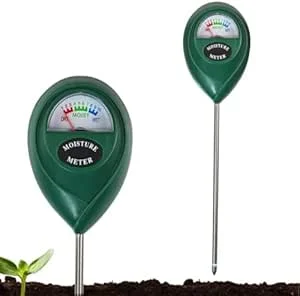 Soil moisture meterHelps check whether the root zone is actually ready for water.View on Amazon (paid link) ↗Digital hygrometerHelps track humidity and temperature around sensitive plants.View on Amazon (paid link) ↗
As an Amazon Associate, HomePlantBot may earn from qualifying purchases.
How to Apply Foliar Sprays Properly
Timing
- Apply in the early morning or evening when the sun is low and stomata are open
- Avoid the heat of the day to minimize evaporation and prevent burns
Technique
- Use a fine mist sprayer for even distribution
- Spray both tops and undersides of leaves
- Aim for light but thorough coverage—avoid excessive dripping
Frequency
- Start with 1–2 applications per week
- Monitor plant health and adjust accordingly
When to Avoid Foliar Feeding
While helpful, there are times when foliar feeding can do more harm than good:
- Hot, sunny weather: Increases risk of burn due to evaporation and concentration buildup
- High humidity or rain: Encourages fungal growth and washes away nutrients
- During flowering (some crops): May contribute to mold or spoil fruit integrity
- When using hard/unfiltered water: May spot leaves or react negatively with nutrients
Combining Foliar Feeding with Soil or Hydroponic Fertilizer Plans
Think of foliar sprays as a supplement—not a substitute—for root-feeding plans. Used correctly, they offer flexibility and precision in plant nutrition.
For instance, in hydroponic systems, foliar feeding can provide temporary micronutrient boosts during growth peaks without disrupting the nutrient balance in the reservoir.
Keeping a nutrient schedule helps prevent overlap and overfeeding. Here’s a sample integration plan:
| Feeding Type | Frequency | Primary Nutrient Focus |
|---|---|---|
| Root Feeding (Soil or Hydro) | 1–2x per week | Macronutrients (N, P, K) |
| Foliar Feeding | 1x per week (or as needed) | Micronutrients and nitrogen boosts |
Smart Precautions for First-Time Use
- Spot test first: Spray a small area and wait 24–48 hours for any negative reactions
- Rinse edibles: Wash off any residue before harvesting leafy greens or herbs
- Use clean water: Filtered or distilled water improves spray quality and reduces contamination risk
- Mix small batches: Foliar solutions can degrade quickly; freshness matters
Conclusion: How to Use Foliar Feeding Wisely
Foliar feeding is a practical tool for addressing specific plant nutrient issues quickly, especially those involving micronutrients. While not a comprehensive solution, it plays a helpful supplemental role in plant care when used appropriately and carefully.
For best results, integrate foliar sprays into your overall soil or hydroponic nutrient plan. Monitor plant response, time applications carefully, and stay aware of the limitations.
Want to learn more about how water quality affects nutrient uptake and plant health? Visit our Water Quality & Plant Nutrition Science guide.
Need help choosing the next care step?
If the symptoms in this article match your plant, use Plant Bot or the rescue checklist before buying anything. A quick diagnosis helps you fix the actual cause, not just the most visible symptom.
Quick decision checklist
- Feed lightly during active growth.
- Do not fertilize a stressed or dry plant.
- Flush soil occasionally to prevent salts.
- Use weaker doses for sensitive foliage.