
HomePlantBot care guide
Best Herbs for Sunny Windows (Basil, Mint, Chives, Thyme)
There’s something grounding and rewarding about growing your own herbs indoors—especially when the sunlight pours in through your kitchen window. Windowsill herb gardening is ideal for anyone eager to bring freshness to meals, even in tight spaces.
What you’ll learn in this article
- Discover how to grow basil, mint, chives, and thyme indoors
- Learn how to set up a sunny kitchen windowsill for herb gardening
- Understand individual care needs for each sun-loving herb
- Decide whether to grow herbs in the same pot or separately
- Keep your herbs full and productive with easy tips
Affiliate disclosure: HomePlantBot may earn from qualifying purchases through the Amazon links below, at no extra cost to you.
Introduction: Growing Herbs Where the Sun Shines
Sunny windows provide the perfect microclimate for a handful of herbs that thrive in natural light year-round. Best of all, these plants are beginner-friendly and low-maintenance while offering impressive payoff in fragrance, flavor, and visual appeal.
If you’re searching for more ideas, don’t miss our full guide to Edible Windowsills.
Spotlight on Herbs That Thrive in Sunny Windowsills
Most herbs prefer full sun—meaning six or more hours of direct sunlight each day. South- or west-facing kitchen windows are ideal growing spots for these sun-hungry plants.
Some of the best-performing herbs for sunny indoor spots include:
- Basil: Sweet and savory, perfect for pasta and salads
- Mint: Fragrant and fast-growing, excellent for tea and desserts
- Chives: Oniony, hardy, and compact
- Thyme: Earthy and subtle, great for meats and roasted vegetables
Basil: Sun-Loving and Flavor-Packed
Basil craves warmth and sunlight. It’s happiest on a bright windowsill that gets at least 6 hours of sun each day, ideally facing south or west.
Care Instructions
- Keep soil evenly moist but never soggy—well-draining pots are a must.
- Pinch off the top set of leaves regularly to stimulate bushiness.
- Remove flower buds (“bolting”) as soon as they appear to prolong leaf production.
- Avoid cold drafts and prevent leaves from touching cold window glass.
Common Mistakes
- Overwatering—water only when top inch of soil is dry to the touch.
- Not harvesting enough—light harvesting actually improves plant health.
Mint: Easy to Grow, Easy to Control (If You Know How)
Mint adapts well to sunny windows but also tolerates partial sun. While it’s extremely forgiving, its invasive roots make pot choice important.
Pro Tip
Always plant mint in its own container. It spreads quickly and can overwhelm other herbs if planted together.
Care Instructions
- Keep the soil evenly moist—mint dislikes dry roots more than most herbs.
- Harvest regularly to keep leaves lush and prevent the plant from becoming leggy.
Great Ways to Use Mint
- Fresh mint teas
- Garnishes for desserts
- Sauces and marinades, like chimichurri or tzatziki
Chives: Hardy, Fast-Growing, and Perfect for Small Spaces
Chives are one of the easiest and most compact herbs to grow indoors. They flourish in full sunlight and only require shallow pots with good drainage.
Care Instructions
- Water when the top inch of the soil feels dry—don’t overdo it.
- Snip leaves from the base (close to the soil) to encourage more shoots.
Bonus Benefit
Chive blossoms are edible and attract pollinators if your windows are open. They add both flavor and color to salads and omelets.
Helpful products for this care problem
Helpful products for this plant care problem
If this is the issue you are solving, these tools can make the next step easier. They are optional, but they match the care problem covered in this article.
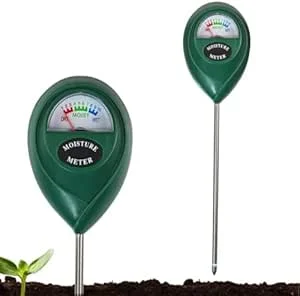 Soil moisture meterHelps check whether the root zone is actually ready for water.View on Amazon (paid link) ↗
 Digital hygrometerHelps track humidity and temperature around sensitive plants.View on Amazon (paid link) ↗Clip-on grow lightUseful for dim rooms, winter care, and plants stretching toward light.View on Amazon (paid link) ↗
As an Amazon Associate, HomePlantBot may earn from qualifying purchases.
Thyme: Low-Maintenance Mediterranean Herb
Thyme offers a robust aroma and withstands dry conditions better than most herbs. It’s compact, forgiving, and thrives in well-drained soil with full sun exposure.
Care Instructions
- Allow the potting soil to dry completely between waterings.
- Prune or trim occasionally to keep the plant tidy and promote new growth.
Best Uses for Thyme
- Oven-roasted dishes
- Stews and soups
- Poultry marinades
A Quick Word on Other Sun-Loving Herbs
If you’re feeling adventurous, here are a few more herbs that enjoy the sun:
| Herb | Sunlight Needs | Soil Preference | Care Note |
|---|---|---|---|
| Oregano | 6+ hours | Well-drained | Similar needs to thyme |
| Cilantro | Full sun to part shade | Moist, rich | Bolts easily in heat—best in cooler months |
| Rosemary | 6+ hours | Dry, sandy | Can be sensitive to overwatering |
Start with a few and see what works best in your space!
Should You Plant Herbs Together or Separately?
Combining herbs in one pot sounds attractive, but not all herbs are compatible. Consider each herb’s water preference, root behavior, and growth habit.
Ideal Pairings
- Basil and chives: Similar watering needs and manageable growth rates.
- Thyme and oregano: Both prefer slightly dry soil and infrequent watering.
Must Be Solo
- Mint: Always isolate in its own container to prevent root takeover.
General Rule: When in doubt, plant herbs separately. This gives you better control over individual care and reduces competition for nutrients.
Tips to Keep Herbs Productive and Prevent Legginess
Indoor herbs can sometimes become tall and spindly without proper care, especially in winter. These easy tricks help keep plants productive and attractive:
- Rotate pots weekly so all sides get even sunlight exposure.
- Trim frequently: Use clean scissors to harvest leaves, taking no more than ⅓ of the plant at a time.
- Feed monthly: Use a diluted liquid fertilizer once a month to restore nutrients.
- Pinch tips: For herbs like basil, regular pinching fosters bushy growth over spindly height.
Conclusion: Make the Most of Your Sunny Window
With just one sunny window and a few pots, you can enjoy fresh, flavorful herbs at your fingertips all year long. Basil, mint, chives, and thyme are perfect herbs to start your indoor gardening journey—no green thumb required.
Begin with one or two herbs and expand as you gain confidence and kitchen inspiration. Most importantly, have fun experimenting and enjoy the boost of fresh flavor in your daily meals!
Looking for more ideas? Find more tips in our Edible Windowsills guide.
Have you tried growing herbs indoors? Tell us which ones are thriving on your windowsill and share your setup in the comments below!
Need help choosing the next care step?
If the symptoms in this article match your plant, use Plant Bot or the rescue checklist before buying anything. A quick diagnosis helps you fix the actual cause, not just the most visible symptom.
Quick decision checklist
- Check the growing conditions before changing everything.
- Adjust one care factor at a time.
- Use symptoms to guide the next step.
- Give the plant time to respond after corrections.