
HomePlantBot care guide
Indoor Herbs & Edible Windowsills: The Complete Guide
Imagine snipping a few basil leaves from your kitchen window for tonight’s pasta—or stirring fresh mint into your morning tea while still in pajamas. Growing herbs indoors brings the flavor to your fingertips year-round, even if you live in an apartment or have no outdoor space.
What you’ll learn in this article
- How to grow and care for popular kitchen herbs indoors
- Which herbs thrive best in sunny window conditions
- Choosing the right containers, soil, and lighting setup
- Harvesting techniques to promote flavor and growth
- Troubleshooting tips for common indoor plant issues
Affiliate disclosure: HomePlantBot may earn from qualifying purchases through the Amazon links below, at no extra cost to you.
Introduction: Why Grow Herbs Indoors?
Beyond easy access to culinary favorites, an indoor herb garden offers mental health benefits too. Studies have shown that greenery indoors promotes calm, sharpens focus, and refreshes the air.
And the best part? You don’t need a green thumb. Just a sunny windowsill and some basic know-how to get started.
Best Herbs to Grow on a Sunny Windowsill
Starting with easy, undemanding herbs is the secret to indoor gardening success. Here are four tried and true favorites:
| Herb | Light Needs | Watering | Best Uses |
|---|---|---|---|
| Basil | 6–8 hours of direct sun | Keep soil consistently moist | Salads, sauces, pesto |
| Mint | Bright indirect to partial sun | Moist soil, more tolerant of shade | Teas, desserts, cocktails |
| Chives | Full sun preferred | Water when top inch of soil is dry | Egg dishes, baked potatoes, garnish |
| Thyme | 6+ hours of sun daily | Let top layer dry between waterings | Poultry, roasted vegetables |
Choose herbs with similar needs to share a pot—for example, basil and chives make compatible roommates, while mint prefers its own container due to its vigorous root growth.
Choosing the Right Containers for Indoor Herbs
Proper containers are more than just decorative. They directly impact your herbs’ health.
- Drainage is critical: Always use pots with drainage holes to prevent waterlogged roots.
- Size matters: Most herbs prefer pots between 4–10 inches deep. Not too shallow, not overly large.
Container Material Guide
- Terracotta: Breathable and classic; dries out quickly, great for herbs that dislike wet roots.
- Plastic: Lightweight and retains moisture well; budget-friendly.
- Ceramic: Stylish but heavier; make sure they include drainage.
- Self-watering: Great for busy gardeners, but avoid using them with herbs like thyme or rosemary that prefer dryer soil.
Place saucers underneath to protect your windowsill or shelving from drips.
Let There Be Light: Sun Exposure & Grow Lights
Most herbs are sun lovers. A south-facing window is ideal, providing 6-8 hours of direct sunlight. East- or west-facing windows can work, especially for hardy herbs like mint or chives.
If your home lacks sunshine, you can add a full-spectrum LED grow light designed for edible plants. These simulate sunlight and prevent legginess.
Lighting Tips
- Supplement low-light spots with a clip-on LED grow light for 12–16 hours a day.
- Rotate pots every few days to ensure even growth on all sides.
Need an alternative with less light demand? Try growing microgreens on a countertop.
Potting Soil & Fertilizer: Setting Your Herbs Up for Success
Start with quality growing medium. Herbs dislike dense soil that holds water too long. Instead, look for (or mix) an indoor potting blend that offers:
- Lightweight texture
- Good drainage
- Organic matter for nutrients
Check out our guide to a light potting mix for indoor herbs for more DIY options.
Fertilizing Guidelines
- Use a balanced liquid fertilizer (such as 10-10-10) monthly
- Half-strength is enough—overfeeding can dilute aroma and flavor
- Apply during active growth, less in winter
Helpful products for this care problem
Helpful products for this plant care problem
If this is the issue you are solving, these tools can make the next step easier. They are optional, but they match the care problem covered in this article.
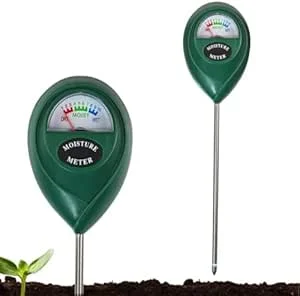 Soil moisture meterHelps check whether the root zone is actually ready for water.View on Amazon (paid link) ↗
 Digital hygrometerHelps track humidity and temperature around sensitive plants.View on Amazon (paid link) ↗Clip-on grow lightUseful for dim rooms, winter care, and plants stretching toward light.View on Amazon (paid link) ↗
As an Amazon Associate, HomePlantBot may earn from qualifying purchases.
Watering: Finding the Right Rhythm
There’s no one-size-fits-all watering schedule. Herbs respond best when watered based on soil moisture:
- Mint: Likes consistently moist soil
- Rosemary: Thrives with less watering—let it dry between drinks
General tips:
- Check soil with your finger—water only when the top inch is dry
- Use room-temperature water to avoid root shock
- Empty overflow trays after watering to prevent rot
Spot the Signs
- Overwatered: Yellowing leaves, mushy roots
- Underwatered: Leaf curling, dry brittle tips
Harvesting & Pinching for Growth and Flavor
Regular harvesting strengthens your herbs. Pruning encourages leafy branching and keeps plants compact.
How to Pinch Back Key Herbs
- Basil: Pinch stems above a pair of leaves to encourage bushy growth.
- Mint: Cut just above nodes to stimulate more stems.
For peak flavor, harvest in the morning after dew has evaporated but before the sun is strong.
For detailed techniques, visit our pruning guide.
Common Problems & How to Fix Them
Spotted something odd with your plants? Here’s how to diagnose and treat frequent issues:
| Problem | Cause | Solution |
|---|---|---|
| Leggy or floppy stems | Not enough light | Move closer to window or add a grow light |
| Yellowing leaves | Overwatering or poor drainage | Check pot holes, adjust watering |
| Powdery mildew | Low airflow/high humidity | Improve ventilation, treat with neem oil spray |
| Aphids or fungus gnats | Pests or soggy soil | Use dish soap spray, reduce watering |
Find visual cures in our indoor herb troubleshooting guide.
Bonus: Going Beyond Herbs—Other Edibles That Work Indoors
Once you’ve mastered herbs, keep the flavors coming with these indoor edibles:
- Microgreens: Quick, nutrient-packed variety; no sunlight needed
- Dwarf citrus: Calamondin oranges, Meyer lemons in bright spots
- Greens like baby lettuce or spinach by a sunny window or under grow lights
Conclusion: The Joy of a Living, Flavorful Windowsill
With the right setup and a little routine care, anyone can grow flavorful herbs indoors. Choose a couple of beginner favorites, use the best soil and containers, adjust water and light as needed, and harvest often—you’ll be surprised how much joy a few green pots can bring to your kitchen.
Ready to get started? Share your edible windowsill on social media and tag us—we’d love to see what’s growing in your space!
Want more practical plant care and urban garden tips? Subscribe to our newsletter or explore more of our indoor growing guides.
Need help choosing the next care step?
If the symptoms in this article match your plant, use Plant Bot or the rescue checklist before buying anything. A quick diagnosis helps you fix the actual cause, not just the most visible symptom.
Quick decision checklist
- Check the growing conditions before changing everything.
- Adjust one care factor at a time.
- Use symptoms to guide the next step.
- Give the plant time to respond after corrections.