
HomePlantBot care guide
Houseplant Pest Control Overview
Isolate the plant and identify the pest, including its life stage and location.
What should I do before spraying a houseplant pest?
Isolate the plant and identify the pest, including its life stage and location. Start with appropriate physical removal and improved growing conditions. If a pesticide is needed, its current label must cover the pest, plant and indoor use; organic or natural does not establish safety, and dish soap is not an insecticidal-soap formulation.
What you’ll learn in this article
- How to identify the most common indoor plant pests and their symptoms
- Preventative strategies to keep houseplant infestations at bay
- Practical treatments to manage and eliminate pests
- When to consider expert help or advanced pest control solutions
Affiliate disclosure: HomePlantBot may earn from qualifying purchases through the Amazon links below, at no extra cost to you.
Introduction
There’s nothing more disheartening than watching your thriving houseplant start to decline due to an unexpected pest infestation. These unwelcome visitors don’t just damage foliage—they disrupt the peaceful ambiance your indoor greenery brings and can even spread to other plants if left unchecked.
Fortunately, most houseplant pest issues are preventable and treatable with a blend of smart habits and practical know-how. Whether you’re managing a few plants at home or dozens in a commercial location, this guide will equip you with the tools to keep your indoor jungle healthy and pest-free.
In this houseplant pest control overview, you’ll learn how to spot early signs of infestation, preventive maintenance tips, and the best treatments to bring your plants back to health. For more in-depth troubleshooting, visit our plant pest and disease resource hub.
Causes and Symptoms of Houseplant Pest Infestations
Common Causes
- Overwatering or poor drainage: Creates soggy soil that attracts pests like fungus gnats.
- Low humidity or stagnant air: Sets the stage for spider mites and mealybugs.
- Introducing outdoor items indoors: Contaminated soil, plant containers, or settings can carry larvae or insects unseen to the eye.
- Bringing in new plants: Without quarantining new additions, pests can spread rapidly to existing greenery.
Common Houseplant Pests & Symptoms
| Pest | Appearance | Symptoms |
|---|---|---|
| Spider Mites | Red or pale dots, fine webs under leaves | Yellow stippling, curled or faded leaves |
| Mealybugs | White, cottony clumps near nodes or under leaves | Leaf yellowing, stunted growth |
| Aphids | Green, black, or brown soft-bodied insects | Sticky residue, curled new growth |
| Fungus Gnats | Tiny black flies hovering near soil | Slow growth, yellowing leaves, visible larvae in soil |
| Scale Insects | Hard or waxy bumps along stems and leaves | Leaf drop, overall plant weakening |
Prevention Tips
Quarantine New Plants
Always isolate newly purchased houseplants for at least two weeks in a separate area. Monitor them under good light for any signs of sap, insects, or damage before introducing them to your plant family.
Improve Environmental Conditions
- Place fans nearby or open windows occasionally for air movement
- Use a humidifier to balance overly dry indoor air, especially in winter
- Regularly trim overgrown leaves and allow sunlight to reach the inner parts of each plant
Clean Regularly
- Use a damp microfiber cloth or sponge to gently wipe both sides of leaves
- Remove yellow or fallen leaves from the potting surface to reduce mold and pests
Inspect Weekly
Make plant checkups part of your weekly routine. Look closely at the undersides of leaves, leaf joints, and soil surface for pests or eggs. Set calendar reminders if needed!
Use Healthy Soil & Pots
- Choose sterile, pest-free potting mixes when repotting
- Ensure each pot has adequate drainage holes to prevent waterlogging
Helpful products for this care problem
Helpful products for active pest control
If this is the issue you are solving, these tools can make the next step easier. They are optional, but they match the care problem covered in this article.
 Insecticidal soapA gentle first-line pest treatment for many houseplants.View on Amazon (paid link) ↗Neem oil sprayHelpful for repeated pest follow-up after cleaning leaves.View on Amazon (paid link) ↗
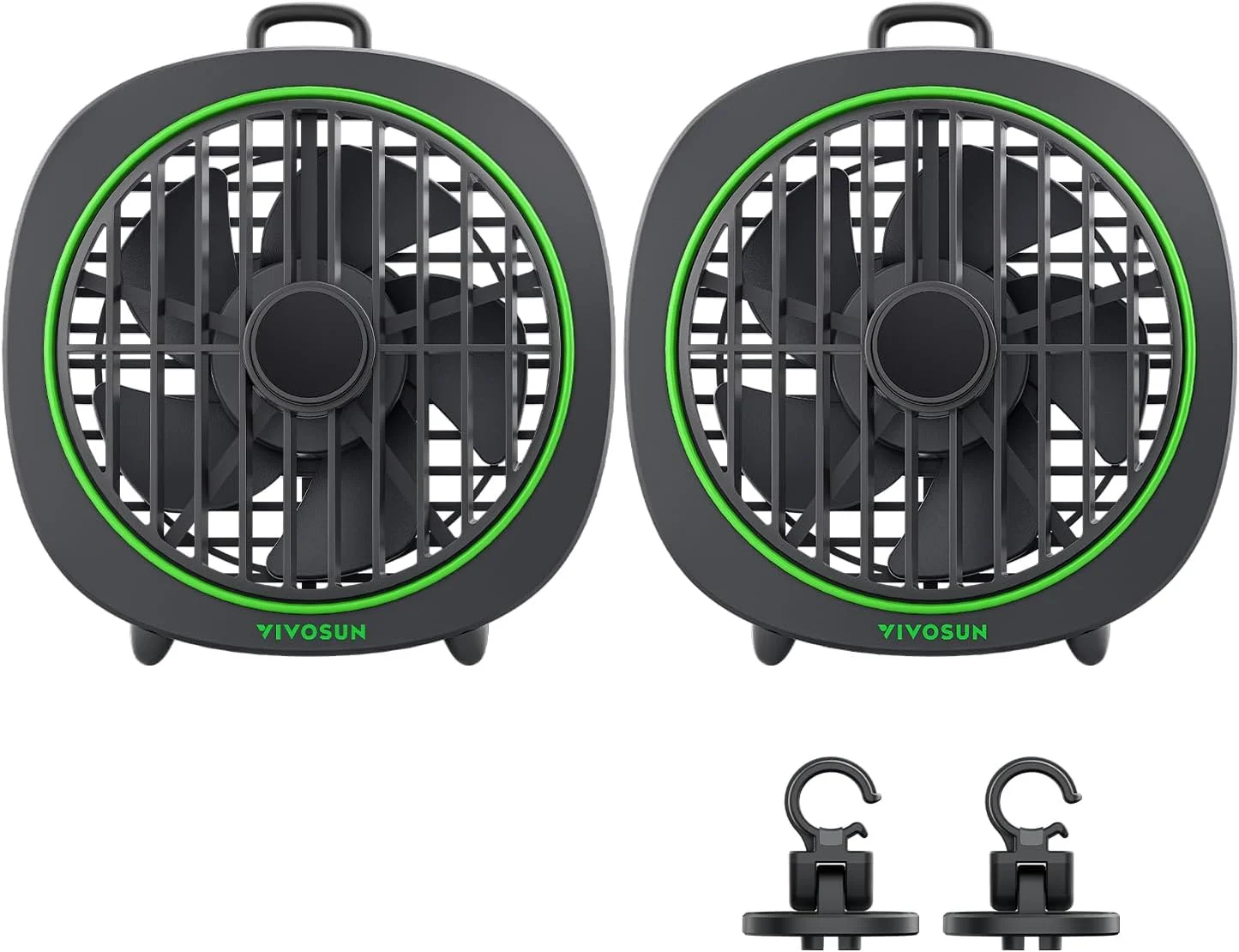 Clip fanAdds gentle airflow around humid or crowded plant shelves.View on Amazon (paid link) ↗
As an Amazon Associate, HomePlantBot may earn from qualifying purchases.
Treatment Methods
Manual Removal
Start with the simplest option: manually remove pests. Gently wipe bugs off leaves using a damp cloth or cotton swab dipped in rubbing alcohol. For visible clusters, consider trimming off affected leaves entirely and disposing of them in sealed trash bags (not compost).
Natural Treatments
- Use only the dilution and method on the exact pesticide label. Do not add household soap or make an untested neem mixture.
- Insecticidal Soap: Effective against aphids, mites, and mealybugs. Spray directly onto pests.
- Do not assume food-grade powder is a reliable or exposure-free fungus-gnat treatment. Identify the life stage and use plant-appropriate moisture management and, if needed, a labeled larval treatment.
Commercial Solutions
Choose by verified target pest, plant compatibility and labeled indoor use. Organic certification is not a substitute for exposure precautions or evidence of effectiveness.
- Systemic Insecticides: These are absorbed through the plant’s roots and only recommended as a last resort. Use with caution.
Repotting
Do not repot every healthy plant for a few fungus-gnat adults. Confirm larvae, correct persistently wet mix as far as the plant tolerates and use a labeled larval treatment only if needed. Repot for a root or substrate problem; wash debris from reused containers and follow a suitable disinfectant’s actual concentration, contact-time and rinse directions.
Biological Control (Advanced)
Some advanced plant lovers and businesses use live predator insects. For example, ladybugs feast on aphids, and predatory mites can control spider mite populations. These natural enemies are best released in larger, contained growing areas like greenhouses or large indoor installations, and not recommended for small home setups.
FAQ
How often should I inspect my houseplants for pests?
Weekly inspections are ideal. Consistency helps you catch infestations early before they spread.
Are pests more common during certain seasons?
Yes, pests are more active during the spring and summer when temperatures and humidity levels rise. However, indoor conditions can allow pests to thrive year-round if unchecked.
Is it safe to use chemical pesticides indoors?
When uncertain, pause and confirm identification and label suitability; natural or organic products can still harm plants, people or animals.
Conclusion
Most plant pest issues—even the most frustrating ones—can be solved if addressed early. Healthy, well-maintained plants are less likely to suffer from infestations, and developing a routine of inspection, cleaning, and care goes a long way.
Don’t let a few bugs ruin your passion for houseplants. With the practical strategies shared here, you’ll be well-equipped to maintain a thriving, vibrant indoor oasis. For additional tips and troubleshooting strategies, visit our pest and disease guide.
Optional Download
You can download our Weekly Houseplant Pest Checklist for a simple one-page reference to support your plant health routine.
Need help choosing the next care step?
If the symptoms in this article match your plant, use Plant Bot or the rescue checklist before buying anything. A quick diagnosis helps you fix the actual cause, not just the most visible symptom.
Quick decision checklist
- Inspect the undersides of leaves before treating.
- Repeat treatment only when inspection and the actual pesticide label justify it, including its minimum interval and maximum number of applications.
- Improve airflow so damp foliage does not stay wet.
- Isolate the plant until the issue is controlled.
Sources for these corrections
These references support the identified care and evidence limits; they do not establish a universal formula, timetable or product endorsement.