
HomePlantBot care guide
Pothos Root rot revival
Is your beautiful pothos plant suddenly drooping, yellowing, or developing soggy stems? If so, the cause might be root rot —a common but silent killer of houseplants. While pothos are known for their hardiness and adaptability, they are not immune to issues related to overwatering and poorly draining soil.
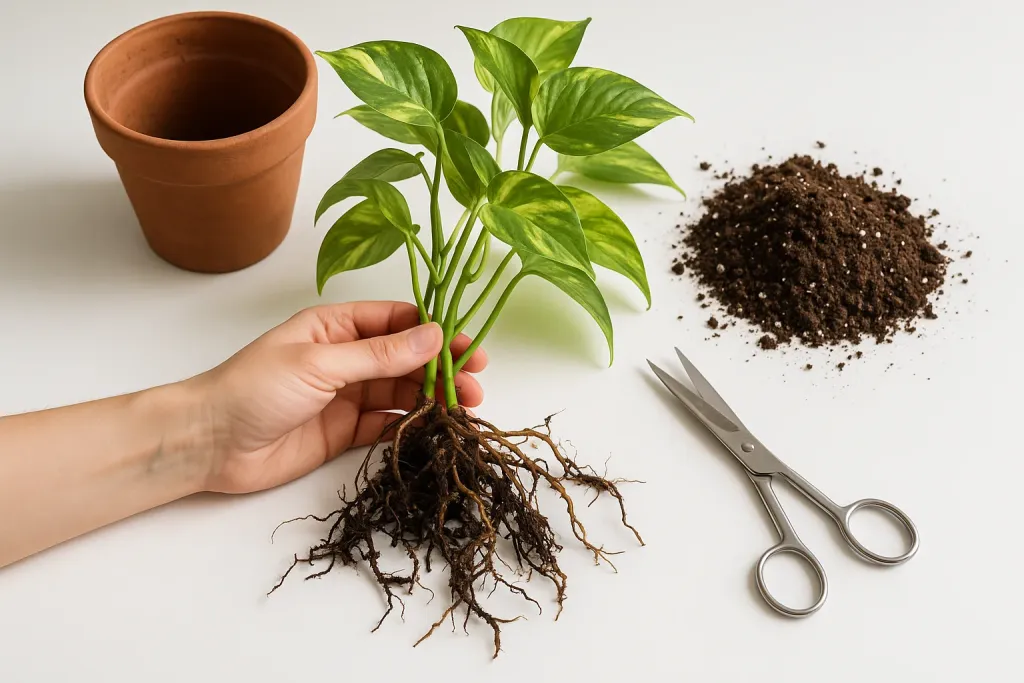
What you’ll learn in this article
- How to detect and diagnose root rot in pothos
- Step-by-step revival strategies—from trimming to propagation
- How to prevent future root rot through better care practices
Affiliate disclosure: HomePlantBot may earn from qualifying purchases through the Amazon links below, at no extra cost to you.
Introduction
Identifying root rot early can make the difference between saving your plant and throwing it out. With the right care and quick action, even a struggling pothos can be revived and flourish once again.
In this guide, you’ll discover:
- How to spot root rot in your pothos plant
- A proven, step-by-step process to rejuvenate your plant
- Practical care tips to prevent root rot in the future
What Is Pothos Root Rot?
Understanding Root Rot
Root rot is a fungal or bacterial infection that affects the roots of a plant, turning them black, mushy, and unable to absorb water or nutrients. It’s most often caused by excess moisture, inadequate drainage, and overwatering—making it especially prevalent in indoor plants.
What Causes Root Rot in Pothos?
- Overwatering, causing the soil to stay soggy
- Poor-draining or compacted soil that holds water too long
- Pots without drainage holes, preventing excess water from escaping
Common Signs and Symptoms
- Yellowing, droopy leaves
- Soft or mushy stems near the base
- Black or slimy roots
- Foul, earthy odor coming from the soil
Despite being one of the easiest houseplants to care for, pothos are still vulnerable to root rot if their growing conditions are neglected.
Care Requirements for a Healthy Pothos
A strong defense against root rot starts with proper care. Here’s how to meet your pothos’ natural needs:
Watering Schedule
- Water only when the top 1–2 inches of soil are dry
- Reduce watering during winter when growth slows
Light Requirements
- Bright, indirect light is best
- Avoid strong afternoon sun or deep shade
Soil Type
- Use a well-draining mix with perlite, orchid bark, or peat moss
Choose the Right Pot
- Pots must have at least one drainage hole
- Avoid oversized pots that retain more moisture than needed
Fertilizing
- Feed every 4–6 weeks during spring and summer
- Use balanced, water-soluble fertilizer diluted to half strength
Seasonal Considerations
- Water less in winter to prevent soggy roots
- Maintain consistent temperatures; avoid drafts or extreme heat
Explore detailed care tips for individual pothos types in our Pothos Care Blueprint for Common Varieties.
Helpful products for this care problem
Helpful products for soil and repotting
If this is the issue you are solving, these tools can make the next step easier. They are optional, but they match the care problem covered in this article.
 Indoor potting mixA useful base when refreshing compacted or tired soil.View on Amazon (paid link) ↗Repotting matKeeps indoor repotting and root checks cleaner.View on Amazon (paid link) ↗
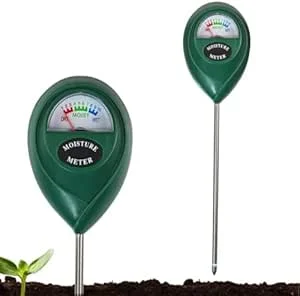 Soil moisture meterHelps check whether the root zone is actually ready for water.View on Amazon (paid link) ↗
As an Amazon Associate, HomePlantBot may earn from qualifying purchases.
Common Issues That Lead to Root Rot
Overwatering Habits
Watering too often is the top cause of root rot. Many plant owners water on a schedule rather than testing soil moisture, which can lead to perpetually wet soil.
Poor Soil and Pot Conditions
- Soil that compacts over time restricts oxygen to roots
- Non-draining containers keep standing water trapped at the bottom
Misreading Symptoms
It’s easy to mistake drought symptoms (drooping leaves) for underwatering when the true problem is rotting roots. Always check soil moisture before assuming your plant is thirsty.
Pothos Root Rot Revival: Step-by-Step Guide
If your plant is suffering, follow this tried-and-true method to revive it. Be gentle, methodical, and patient throughout the process.
Step 1: Remove the Plant
Gently pull the pothos from its pot, taking care not to damage fragile roots further. Tap off excess soil for better visibility.
Step 2: Wash and Inspect the Roots
Rinse the root ball under lukewarm water. Healthy roots are white or light tan and firm. Rotten roots appear black, brown, mushy, or smell sour.
Step 3: Trim the Rotted Roots
Use sharp, sterilized scissors or pruners to cut away all diseased roots. Leave only firm, white roots intact.
Step 4: Disinfect Healthy Roots
Soak the healthy roots for 10 minutes in a diluted hydrogen peroxide solution (1 tbsp per cup of water) to kill lingering pathogens.
Step 5: Repot in Fresh Mix
- Use a clean pot with drainage holes
- Fill with a fresh, well-draining soil mix
Step 6: Water Lightly and Monitor
Water gently after transplanting. Keep the plant in bright, indirect light and monitor for signs of new growth. Avoid feeding the plant until new roots form.
When It’s Time to Let Go
If all roots are black and mushy or the stem base is fully decayed, propagation may be the only option left.
Prevention Moving Forward
- Water only when the soil is dry at 1–2 inches deep
- Repot annually or every two years to refresh soil
- Clean pots between uses to avoid cross-contamination
Propagation: A Backup Plan to Save Your Pothos
If the main plant cannot be saved, propagation offers a way to preserve its beauty and genetics. It’s simple and works well for pothos.
When to Propagate
Choose propagation if root or stem rot is severe, but there are still healthy vine sections above the infected zone.
Cutting Healthy Sections
- Select a 4–6 inch cutting with at least 2–3 nodes (leaf bumps)
- Make clean cuts with sterilized scissors
Choose a Propagation Method
| Method | Steps | Time to Root |
|---|---|---|
| Water | Place cutting in a clean jar of water, change water every 3–4 days | 2–4 weeks |
| Soil | Plant stem nodes in moist soil and cover with humidity dome | 4–6 weeks |
Optional: Rooting Hormone
Dip the cut end in rooting hormone before planting or submerging in water for faster results.
Transplanting and Regrowth
Once roots are 2–3 inches long, transplant into a pot with well-draining soil. Pinch back new growth occasionally to promote bushier regrowth.
Conclusion
Root rot may seem like the end, but for resilient pothos plants, it’s often just a detour on the road to recovery. Early detection, proper trimming, and repotting can breathe new life into a plant that appears beyond saving.
Keep the following in mind:
- Root rot is preventable with proper watering and drainage
- Act quickly when you see soft stems and yellowing leaves
- Propagation is a powerful way to preserve your plant when revival isn’t possible
With a little time, effort, and care, your pothos can return to its vibrant, vining glory.
Have a different pothos variety at home? Visit our Pothos Care Blueprint for Common Varieties to keep all your pothos thriving in every condition.
Have questions or unique situations? Drop a comment, and we’d love to help you save your plant!
Need help choosing the next care step?
If the symptoms in this article match your plant, use Plant Bot or the rescue checklist before buying anything. A quick diagnosis helps you fix the actual cause, not just the most visible symptom.
Quick decision checklist
- Refresh compacted mix before roots decline.
- Choose a pot size that matches the root ball.
- Check moisture deeper than the surface.
- Stabilize the plant after repotting before fertilizing.