
HomePlantBot care guide
Ficus Pests & Diseases: Identification and Treatment
Separate the plant, inspect leaf undersides and stem joints, and identify the pest before choosing treatment.
How should I respond to a possible Ficus pest?
Separate the plant, inspect leaf undersides and stem joints, and identify the pest before choosing treatment. Match the product and repeat interval to its label and plant sensitivity. Cleaning, room humidity and a healthy appearance cannot guarantee that a plant is pest-free.

Affiliate disclosure: HomePlantBot may earn from qualifying purchases through the Amazon links below, at no extra cost to you.
Catch ficus pests before they settle in.
A prevention-first guide for scale, mites, mealybugs, and other tiny freeloaders.
Quick take
A quick inspection routine that helps ficus stay cleaner and keeps pest problems from spreading.
- Keep the light bright but softened.
- Water with patience and good drainage.
- Use the extra section below as the action step for this topic.
- How to identify the most common ficus pests and the damage they cause
- Practical and eco-friendly solutions to manage and prevent infestations
- How proper care and propagation techniques support pest resistance
Introduction
Ficus plants are grown for foliage and form, including fiddle-leaf figs and rubber plants. Do not choose them as household air-cleaning appliances; identify any pest before treating.
However, these popular plants have a not-so-popular trait: they’re particularly vulnerable to pests when care routines aren’t dialed in. The good news? With proactive ficus pest management, you can prevent infestations and keep your plants healthy and thriving for years to come.
Looking to pick the right ficus for your space before diving into care? Compare care differences between Elastica, Lyrata, and Benjamina to choose wisely.
Overview: Why Pest Management Matters for Ficus
Popular ficus plant varieties such as Ficus elastica (rubber tree), Ficus lyrata (fiddle-leaf fig), and Ficus benjamina (weeping fig) are admired for their glossy green leaves and upright forms. Their ability to thrive indoors makes them global favorites in both residential and commercial settings.
But indoor conditions — especially low light, dry air, and overwatering — can make ficus plants targets for pests. Left unchecked, an infestation can lead to leaf drop, stunted growth, or even total plant loss.
To spot trouble early, watch for general signs of pest issues such as:
- Drooping or curling leaves
- Sticky residue (honeydew) on leaves or nearby surfaces
- Webbing between leaves
- Discoloration, stippling, or spotting
Here’s a quick reference to understand which pests you might be dealing with:
| Pest | Symptoms | Damage |
|---|---|---|
| Spider Mites | Fine webbing, yellow patches | Leaf loss, poor growth |
| Mealybugs | Cottony clumps on stems | Sap draining, leaf curl |
| Scale Insects | Hard bumps on leaves/stems | Yellowing, plant decline |
| Thrips | Streaking, stippling | Deformed new leaves |
| Fungus Gnats | Small flies, moist soil | Root damage (larvae) |
Helpful products for this care problem
Helpful products for pest and disease control
If this is the issue you are solving, these tools can make the next step easier. They are optional, but they match the care problem covered in this article.
 Insecticidal soapA gentle first-line pest treatment for many houseplants.View on Amazon (paid link) ↗Neem oil sprayHelpful for repeated pest follow-up after cleaning leaves.View on Amazon (paid link) ↗
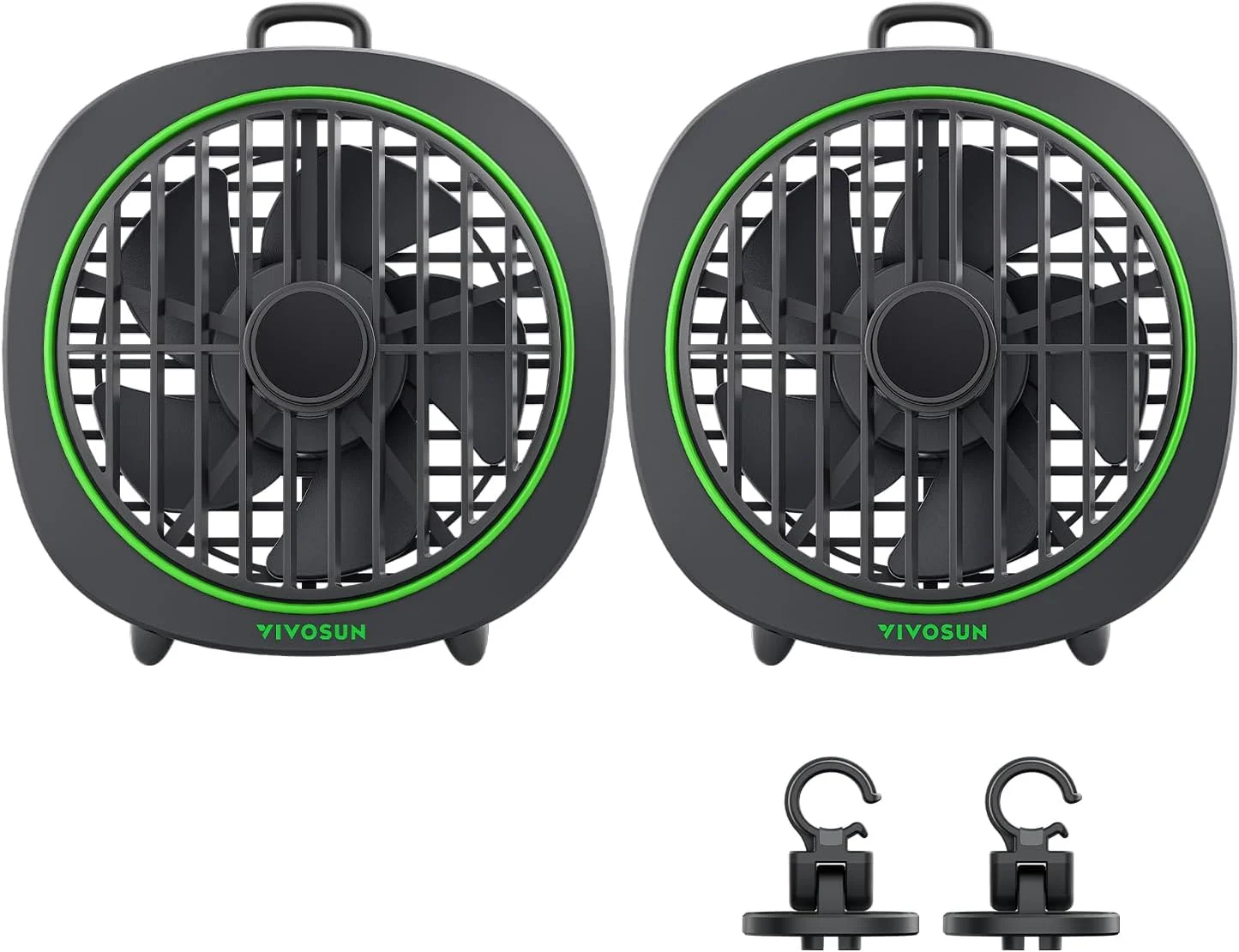 Clip fanAdds gentle airflow around humid or crowded plant shelves.View on Amazon (paid link) ↗
As an Amazon Associate, HomePlantBot may earn from qualifying purchases.
Care Requirements That Prevent Pests
The best defense against pests? A healthy, well-cared-for ficus. Most infestations happen when plants are stressed or their environment isn’t ideal. Here’s how to build natural resistance through good care:
Maintain Optimal Environment
- Light: Most ficus varieties prefer bright, indirect sunlight. Too little light stresses the plant and invites pests.
- Humidity: Dry air, especially in office spaces, encourages spider mites. Aim for moderate humidity levels.
- Air Flow: Good air circulation prevents stagnant conditions that pests love. A small desk fan can help in stuffy rooms.
Water Smart
- Overwatering is a top pest trigger. Allow the top inch or two of soil to dry before rewatering.
- Ensure proper drainage holes and avoid letting your ficus sit in standing water.
Keep Leaves Clean
- Wipe leaves monthly with a damp cloth to remove dust and occluded pests.
- Check undersides of leaves during cleaning — that’s where most pests hide.
Use the Right Soil and Fertilizer
- Use a well-draining potting mix suitable for houseplants. Add perlite if needed.
- Fertilize only during the growing season (spring/summer) to avoid nitrogen overload, which can attract pests.
Want to tailor your ficus care even more closely? Check out our guide on specific needs for different ficus types.
Common Ficus Pests and How to Manage Them
Spider Mites
Often invisible until damage is done, spider mites are tiny red or brown specks that spin webbing along leaves or stems.
- Signs: Fine webbing, yellow stippling, dusty appearance
- Management:
- Rinse leaves under a strong stream of water
- Identify the pest before treating. Use a product labeled for that pest and indoor plant, follow its application interval and plant-sensitivity directions, and monitor the response. Natural origin does not make a pesticide harmless.
- Increase humidity around plant to deter re-infestation
Mealybugs
These white, cotton-like insects form clusters where leaves meet stems. They suck sap, weakening the plant.
- Control:
- Identify the pest first and use a foliage-compatible physical removal method when appropriate. A pesticide is a separate choice: verify that the current label covers the pest, identified plant and indoor use, and follow its application, sensitivity and repeat directions.
- Identify the pest before treating. Use a product labeled for that pest and indoor plant, follow its application interval and plant-sensitivity directions, and monitor the response. Natural origin does not make a pesticide harmless.
- Isolate affected plant
Scale Insects
These look like hardened brown or tan bumps glued to the plant’s surface. They’re easy to overlook until damage sets in.
- Symptoms: Leaf yellowing, honeydew residue
- Actions:
- Scrape off with soft brush or toothbrush
- Identify the pest before treating. Use a product labeled for that pest and indoor plant, follow its application interval and plant-sensitivity directions, and monitor the response. Natural origin does not make a pesticide harmless.
Thrips and Whiteflies
These fast-moving pests are more common in warm weather. They feed on new growth, distorting or yellowing fresh leaves.
- Treatments:
- Install sticky traps
- Do not release general-purpose predators into a living room as a blanket remedy. Biological control needs an identified target and a validated organism/setup-specific plan.
- Rinse and isolate plant
Fungus Gnats
While adult gnats are annoying, their larvae can harm plant roots when soil is soggy for extended periods.
- Fixes:
- Correct persistent excess wetness while respecting the actual Ficus species and root condition; do not force a moisture-sensitive plant to wilt for a generic gnat remedy.
- Identify the breeding source and monitor adults with sticky cards. A surface layer is not a substitute for diagnosis, moisture management and, where needed, a labeled larval treatment.
- Use mosquito bits or BTi biological treatments
Safe vs Chemical Control
Match any control to the pest, plant and indoor setting. Natural origin does not make a pesticide harmless; follow the actual product label and monitor plant sensitivity.
Quarantining Practices
If you detect pests, move the affected plant to a separate room to prevent spread. Clean nearby surfaces and monitor neighboring plants daily.
Ficus Propagation and Pest Prevention
How to Propagate
Ficus can be propagated through stem cuttings or air layering. Always choose a healthy, pest-free parent plant to minimize risks.
- Use sterilized shears and containers
- Take cuttings in spring or summer for fastest rooting and recovery
- Allow cuttings to air dry before placing in soil or water
Early Detection Is Key
Identify the pest before treating. Use a product labeled for that pest and indoor plant, follow its application interval and plant-sensitivity directions, and monitor the response. Natural origin does not make a pesticide harmless.
Conclusion
While ficus plants bring lush beauty into indoor environments, their sensitivity to pests means attentive care is non-negotiable. The most important takeaway? A healthy, stress-free plant is your best defense against bugs.
Maintain optimal conditions, inspect regularly, and take swift action at the first sign of pests. Keep your plants clean and healthy, and they’ll reward you with long-term vitality.
Still deciding which ficus suits you best? Read our care comparison of Ficus elastica, lyrata, and benjamina.
Want more plant care wisdom? Subscribe to our newsletter or share your ficus pest management wins (or woes!) in the comments below.
Ficus pest prevention routine
- Check the leaf undersides once a week.
- Wipe dust so pests have fewer places to hide.
- Keep new plants separate until you know they are clean.
- Use prompt, repeated treatment rather than waiting for spread.
What to remember
Inspect ficus weekly, isolate new plants, and treat early if you spot webbing, residue, or cottony clusters.
Need help choosing the next care step?
If the symptoms in this article match your plant, use Plant Bot or the rescue checklist before buying anything. A quick diagnosis helps you fix the actual cause, not just the most visible symptom.
Quick decision checklist
- Inspect the undersides of leaves before treating.
- Repeat treatment only when inspection and the actual pesticide label justify it, including its minimum interval and maximum number of applications.
- Improve airflow so damp foliage does not stay wet.
- Isolate the plant until the issue is controlled.
Sources for these corrections
These references support the identified care and evidence limits; they do not establish a universal formula, timetable or product endorsement.