
HomePlantBot care guide
Siting Big Plants: Light Mapping & Room Layout
Large indoor plants are having a moment. From fiddle leaf figs to towering rubber trees, big, bold greenery has become a staple of modern interior design. But while these statement plants look incredible, getting them to thrive goes beyond just picking a pretty planter. Their placement can make or break their health and your room’s flow.
What you’ll learn in this article
- How to light map your space for better plant placement
- Understand how room layout and window orientation impact plant health
- Tips to safely move and style with large indoor plants
Affiliate disclosure: HomePlantBot may earn from qualifying purchases through the Amazon links below, at no extra cost to you.
Introduction
That’s where light mapping and thoughtful room layout come in. Understanding how daylight moves through your space — and how your furniture, vents, and traffic paths interact — ensures your oversized greenery grows beautifully while enhancing, not hindering, your living space.
Check out our guide to Indoor Trees & Large Statement Plants for more plant inspiration.
Why Light Mapping Is Crucial When Placing Large Houseplants
What is Light Mapping?
Light mapping is the process of observing how natural light enters and moves through your space throughout the day. By identifying where direct sun hits, where light levels are moderate, and which corners stay shaded, you can make informed choices about plant placement.
Why It Matters for Big Plants
Larger plants come with larger demands. Their increased leaf surface area means they need more energy — and thus more light — to thrive. Because these plants are heavy and hard to move once set up, getting their location right from the start saves you the stress of repotting or recovering a struggling plant later.
Measuring Light Levels and Understanding Window Orientation
Simple Ways to Check Your Lighting
- Use a light meter or a smartphone light meter app to get a lux reading (your plant tag may suggest a range).
- Or try the shadow test: hold your hand a foot above the spot. A sharp, crisp shadow = bright light; a soft, blurry one = medium; no visible shadow = low light.
Window Orientation Cheat Sheet
| Window Direction | Light Characteristics | Best For |
|---|---|---|
| North | Low, steady light all day | Low-light tolerant plants (e.g., snake plant, ZZ) |
| East | Morning light — gentle and cool | Many large foliage plants (e.g., rubber tree, monstera) |
| South | Strong, all-day sunlight | Sun-hungry varieties (e.g., fiddle leaf fig, bird of paradise) |
| West | Hot afternoon sun | Cacti, succulents, or filtered for sensitive plants |
Balancing Plant Placement with Room Layout and Traffic Flow
Make It Work for You and Your Space
When siting a large plant, remember: it’s not just a plant — it’s a piece of living furniture. Don’t block natural traffic paths, doors, walkways, or windows you regularly open. Instead, consider these strategic spots:
- A bare corner that needs softening
- Next to a couch or reading chair to create a cozy nook
- Against a blank wall to draw the eye up
Zoning With Plants
Treat your plant like a design element. A tall, leafy plant can visually divide open-concept rooms, add privacy, or help define an entryway when there’s no built-in divider.
Keeping Big Plants Away from Vents, Radiators, and Drafty Windows
Why Airflow and Temperature Matter
Extreme temperatures — whether hot blasts from a heater or cold drafts from a window — can quickly damage leaf tissue. Common signs include scorched tips, drooping, or dry, crispy edges.
Techniques to Avoid Temperature Trouble
- Place large plants at least 2–3 feet away from radiators or heaters
- Avoid positioning directly in front of forced-air vents or open windows
- Monitor seasonal drafts, especially in winter — seal windows if needed
Helpful products for this care problem
Helpful products for better indoor light
If this is the issue you are solving, these tools can make the next step easier. They are optional, but they match the care problem covered in this article.
 Clip-on grow lightUseful for dim rooms, winter care, and plants stretching toward light.View on Amazon (paid link) ↗Digital hygrometerHelps track humidity and temperature around sensitive plants.View on Amazon (paid link) ↗
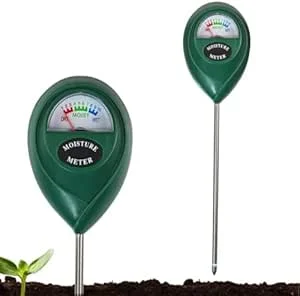 Soil moisture meterHelps check whether the root zone is actually ready for water.View on Amazon (paid link) ↗
As an Amazon Associate, HomePlantBot may earn from qualifying purchases.
Enhancing Light with Mirrors or Additional Grow Lights
Mirror Magic
Strategically placed mirrors can reflect sunlight into dark corners, brightening the space for both you and your plant. Position a mirror opposite or adjacent to a well-lit window to maximize light coverage.
When to Use Grow Lights
If light levels are consistently low even after optimizing placement, grow lights can bridge the gap. Consider:
- Clip-on lights: great for flexibility and small spaces
- Standing grow lamps: ideal for large or tall plants
- Grow light bulbs: convert existing lamps if you prefer decorative fixtures
Look for full-spectrum or “white light” LED grow bulbs in the 4000–6500 Kelvin range for most foliage plants.
Rotating Plants Regularly to Encourage Even Growth
Phototropism: Why Your Plants Lean
Plants naturally grow toward their light source. Without regular rotation, one side may become lopsided or leggy.
Easy Rotation Routine
- Every 1–2 weeks, give the pot a quarter turn
- Tip: Mark four evenly spaced points on the pot with painter’s tape or chalk to keep track
Styling the Area Around a Large Plant with Companions and Décor
Group Plants by Needs
When clustering plants near your largest one, make sure lighting and humidity needs align. That way, everyone thrives together with consistent care.
Visual Styling Tips
- Mix heights: use plant stands or baskets to stagger levels
- Repeat textures and colors from your decor — woven baskets for a boho vibe, metal planters for modern minimalism
- Use groupings of odd numbers (3, 5) for a more organic look
Moving Heavy Pots Using Dollies or Sliders Safely
Protect Yourself and Your Floors
Large pots can easily weigh over 50 pounds. Avoid injury with these safe-lifting and moving tools:
Recommended Tools
- Soft-top plant dollies: padded wheels reduce vibration and noise
- Moving discs or furniture sliders: slip under pots to minimize friction
- Wheeled plant stands: allow easy access for cleaning or rotation
Pro tip: If you want to reposition directly on hardwood or tile, use round felt furniture pads or a rug underneath to protect the surface.
Conclusion: Harmonious Layout Planning for Plants & People
The key to siting big plants isn’t just good lighting — it’s thoughtful planning. By understanding your light environment, respecting your room’s layout, and using tools and styling to your advantage, you create a balanced space where both people and plants can thrive.
Ready to choose the perfect big plant for your space? Visit our indoor trees & large statement plants guide to start planning your indoor oasis today.
Need help choosing the next care step?
If the symptoms in this article match your plant, use Plant Bot or the rescue checklist before buying anything. A quick diagnosis helps you fix the actual cause, not just the most visible symptom.
Quick decision checklist
- Increase light gradually to avoid scorch.
- Rotate the plant for even growth.
- Water less in lower light.
- Watch color and leaf posture for feedback.