
HomePlantBot care guide
Monstera Pests & diseases
Monstera plants have skyrocketed in popularity, from cozy apartments to vibrant office spaces. Their bold, perforated leaves make a statement—and like all living things, they sometimes face health challenges. Even well-cared-for Monsteras can fall victim to pests and diseases.
What you’ll learn in this article
- How to identify common pests and diseases that affect Monstera plants
- Effective prevention strategies for keeping your plant healthy
- Natural and chemical treatment options
- Tips for long-term maintenance and environmental consistency
- Ways to adjust your Monsteras care routine with the seasons
Affiliate disclosure: HomePlantBot may earn from qualifying purchases through the Amazon links below, at no extra cost to you.
Introduction to Pests and Diseases in Monstera
Detecting issues early is crucial. Subtle symptoms can escalate quickly, especially in indoor environments with less biodiversity. Fortunately, most problems are treatable if caught in time.
Before diving into pest control, make sure your Monstera has the right foundation. Get the basics right with our Monstera Care Blueprint: Light, Water, Soil.
Identifying Common Insect Pests
Spider Mites
Signs: Fine webbing on undersides of leaves, dry or speckled foliage.
Causes: Low humidity and poor air circulation often trigger spider mite infestations. These tiny pests suck sap from cell walls, slowly deteriorating leaf health.
Mealybugs
Signs: Small, white, cottony clusters especially where stems meet leaves.
These soft-bodied insects hide well and reproduce quickly. Left untreated, they cause leaf yellowing and wilting.
Scale Insects
Signs: Hard, brown or black bumps on stems and undersides of leaves. You might also notice sticky residue (honeydew) attracting ants.
Scale insects feed on sap and gradually weaken the plant’s immune defenses.
Fungus Gnats
Signs: Tiny black flies around your Monstera’s soil and translucent larvae wriggling in overly moist soil.
This often signals overwatering or poor drainage. While adult gnats are a nuisance, larvae can damage roots.
| Pest | Common Signs | Main Cause |
|---|---|---|
| Spider Mites | Webbing, faded or speckled leaves | Low humidity |
| Mealybugs | Cottony clusters at nodes | Warm, dry conditions |
| Scale Insects | Sticky residue, brown bumps | Sap overload, moist surfaces |
| Fungus Gnats | Flies near soil, root damage | Overwatering |
Recognizing Fungal and Bacterial Issues
Root Rot
Symptoms: Yellowing leaves, mushy stems, and droopiness despite moist soil.
Causes: Typically due to poor drainage, overwatering, or a pot that’s too large. Once roots are damaged, they can’t absorb nutrients efficiently.
Prevention: Use well-draining soil, make sure pots have drainage holes, and avoid letting your Monstera sit in water.
Powdery Mildew
Signs: White, dust-like growth on leaves and stems. If left unchecked, leaves can curl and die back.
Common in: Spaces with high humidity but insufficient airflow—bathrooms, closed shelves, or near humidifiers.
Leaf Spot Diseases
Symptoms: Brown or black spots surrounded by yellow halos. Spots may appear water-soaked or greasy-looking.
Both fungal and bacterial versions spread via splashing water or reused pruning tools. Remove affected leaves and disinfect tools promptly.
Anthracnose
Symptoms: Irregular, sunken brown patches starting at the edge of leaves.
Often mistaken for general stress, anthracnose requires immediate removal of affected foliage to prevent spread.
Helpful products for this care problem
Helpful products for fungal spots and leaf damage
If this is the issue you are solving, these tools can make the next step easier. They are optional, but they match the care problem covered in this article.
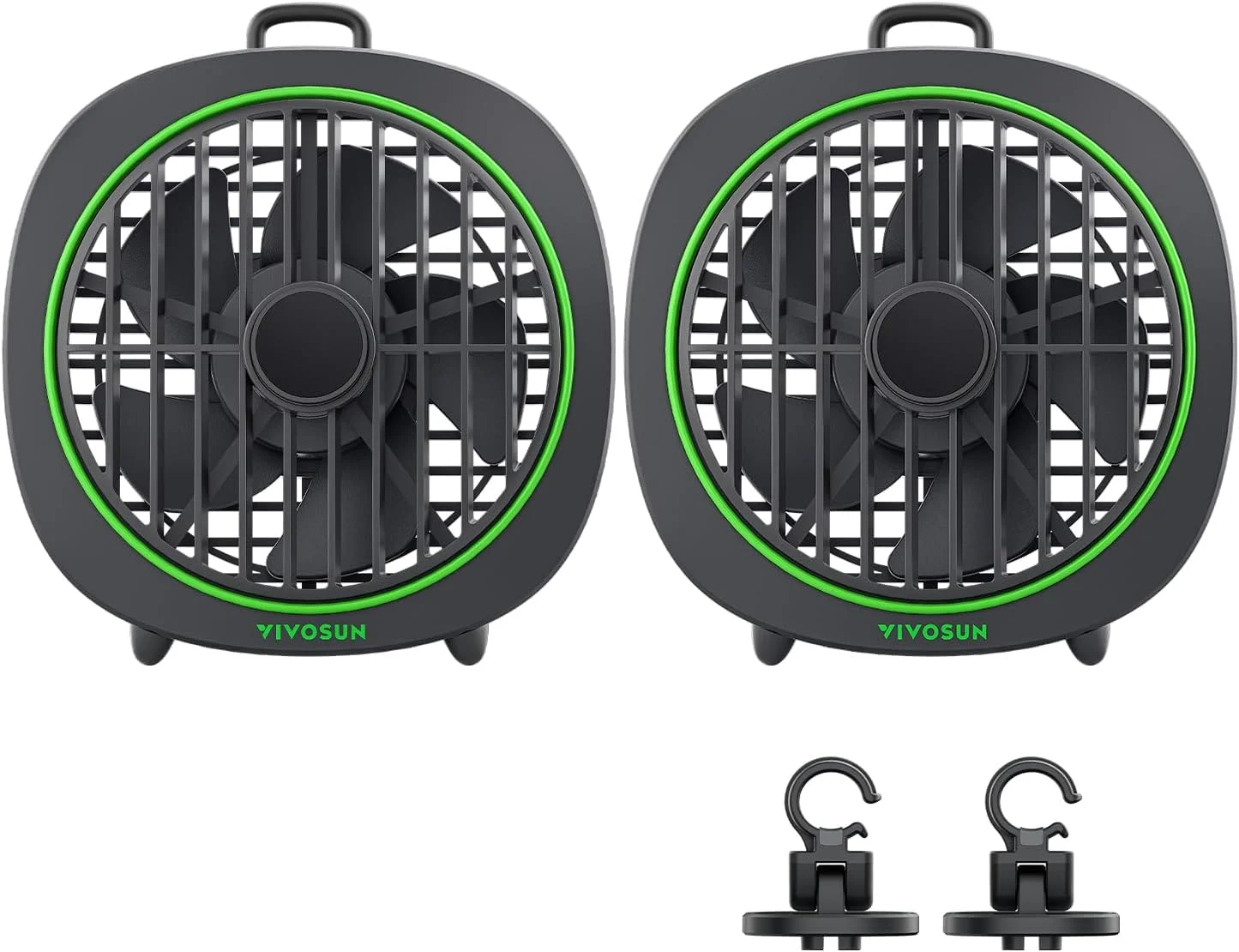 Clip fanAdds gentle airflow around humid or crowded plant shelves.View on Amazon (paid link) ↗
 Digital hygrometerHelps track humidity and temperature around sensitive plants.View on Amazon (paid link) ↗Neem oil sprayHelpful for repeated pest follow-up after cleaning leaves.View on Amazon (paid link) ↗
As an Amazon Associate, HomePlantBot may earn from qualifying purchases.
Prevention and Hygiene
- Encourage airflow: Avoid cramming plants together. Use a small fan in stagnant indoor corners.
- Correct lighting: Plenty of indirect sunlight keeps photosynthesis high and fungi at bay.
- Water wisely: Bottom watering can help prevent overly damp topsoil. Don’t water on a schedule; check soil moisture instead.
- Clean leaves: Wipe dust regularly with a damp cloth. This promotes better gas exchange and reveals early pest signs.
- Sterilize tools: Use isopropyl alcohol or dilute bleach before and after cutting.
- Quarantine new plants: Keep new green family members separate for at least 2 weeks before introducing them to your Monstera collection.
Natural and Chemical Treatments
Natural Options
- Neem Oil: Mix with water and a few drops of dish soap. Spray generously every 7–10 days as both a treatment and deterrent.
- Soap + Water: Mild liquid soap (no fragrance or additives) dissolves the outer membranes of common pests. Use weekly.
- Beneficial insects: Ladybugs and predatory mites can help control spider mites naturally—great if you have a greenhouse or large indoor garden.
Chemical Options
When natural methods fail or infestations are large, commercial solutions may be necessary. Look for indoor-safe insecticides labeled for houseplants or horticultural fungicides.
- Targeted sprays: Apply only where pests are present to minimize impact on plant health.
- Repeat applications: Eggs often survive first treatment. Follow up in 7–10 days or as per product instructions.
- Safety first: Ensure products are pet- and child-safe. Always ventilate your home and wear gloves.
Monitoring and Ongoing Maintenance
- Inspect weekly: A quick glance under leaves, into the soil, and along stems can catch issues early.
- Touch test: Dry, crispy leaves or sticky residues indicate deeper problems.
- Seasonal adjustment: Reduce watering in winter; increase humidity during dry spells.
- Care log: Track watering, fertilizing, observed issues, and treatments. Great for pattern recognition.
- Environmental consistency: Avoid drastic changes in light or humidity. Choose a stable spot and stick with it.
Conclusion
Most Monstera pests and diseases are manageable if you’re attentive and proactive. From spider mites to root rot, each issue has tell-tale signs and proven treatments. The most successful plant caretakers build a solid foundation: proper care combined with regular inspection. Ultimately, consistency is your Monstera’s best defense against trouble.
Want guidance dialing in your plant’s environment? Check out our Monstera Care Blueprint to perfect your light, water, and soil setup.
Need help choosing the next care step?
If the symptoms in this article match your plant, use Plant Bot or the rescue checklist before buying anything. A quick diagnosis helps you fix the actual cause, not just the most visible symptom.
Quick decision checklist
- Improve airflow before adding more moisture.
- Keep leaves dry overnight when possible.
- Remove badly damaged foliage with clean tools.
- Treat only after checking whether the cause is fungal, pest, or light stress.