
HomePlantBot care guide
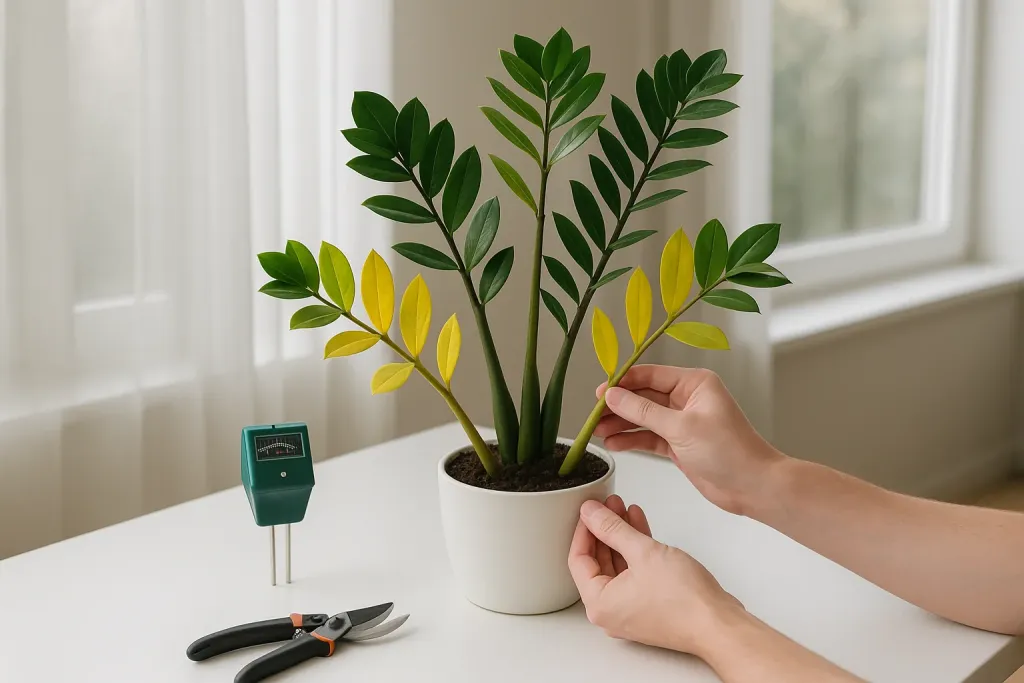
ZZ Plant Yellow stems troubleshooting
The ZZ plant, officially known as Zamioculcas zamiifolia , is loved for its striking appearance and reputation as a low-maintenance indoor plant. With its glossy green leaves and upright stems, it brings structure and greenery to homes and offices alike.
What you’ll learn in this article
- Discover the top reasons why your ZZ plant stems may be turning yellow.
- Learn how to diagnose and fix common care issues including watering mistakes and lighting stress.
- Explore preventative care habits to ensure long-term plant health.
- Find propagation advice if part of your plant is too damaged to recover.
- Link to our comprehensive ZZ Plant Care Blueprint for ongoing support.
Affiliate disclosure: HomePlantBot may earn from qualifying purchases through the Amazon links below, at no extra cost to you.
Introduction
But even resilient plants have ways of telling us when something’s wrong. Yellowing stems are one of those visual cues—a clear signal that your ZZ plant might be stressed or out of balance. The good news? Most causes of yellow stems are both identifiable and fixable.
In this complete troubleshooting guide, you’ll learn what causes yellow stems on a ZZ plant, how to detect and treat the issue, and how to prevent it from coming back. Let’s help your plant thrive again.
Overview
A healthy ZZ plant typically showcases deep green, glossy leaves and sturdy, upright stems emerging from thick rhizomes below the soil. But when things start to go wrong, you’ll notice signs like fading leaf color, drooping, and—most concerning—yellow stems.
Stem discoloration can indicate root rot, overwatering, pests, or environmental stress. Addressing it quickly helps prevent long-term damage and ensures your plant continues to grow strong.
Potential Causes of Yellow Stems
- Overwatering
- Poor drainage or compacted soil
- Underwatering or neglect
- Lighting issues
- Temperature fluctuations
- Pest infestations
- Nutrient problems
Care Requirements (to Avoid Yellowing)
Light Requirements
ZZ plants thrive best in bright, indirect light. While they can survive in low-light conditions, too little light can slow growth and dull their natural shine. Avoid direct sunlight, especially during midday, which can scorch the leaves and stress the stems.
Watering Routine
Watering is often the root of many ZZ plant issues. These plants prefer infrequent but thorough watering. Always let the soil dry out completely between waterings.
| Watering Issue | Symptoms |
|---|---|
| Overwatering | Yellow stems, mushy base, root rot |
| Underwatering | Wrinkled stems, dry and crispy leaves |
Soil and Drainage
A well-draining potting mix prevents soggy conditions and root rot. Opt for soil mixes labeled for succulents or create your own with equal parts potting soil, perlite, and coarse sand. Always use a pot with drainage holes.
Temperature & Humidity
ZZ plants prefer temperatures between 65°F and 75°F. Protect them from strong drafts, direct exposure to heat vents, or chilly windowsills—sudden temperature shifts can cause stress-related yellowing.
Fertilization
Fertilize sparingly. Use a balanced, water-soluble houseplant fertilizer at quarter strength once a month during the growing season (spring and summer). Over-fertilization can accumulate salts in the soil, leading to root damage and stem yellowing.
Helpful products for this care problem
Helpful products for this plant care problem
If this is the issue you are solving, these tools can make the next step easier. They are optional, but they match the care problem covered in this article.
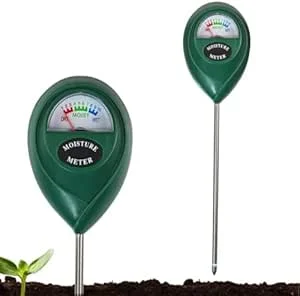 Soil moisture meterHelps check whether the root zone is actually ready for water.View on Amazon (paid link) ↗
 Digital hygrometerHelps track humidity and temperature around sensitive plants.View on Amazon (paid link) ↗Clip-on grow lightUseful for dim rooms, winter care, and plants stretching toward light.View on Amazon (paid link) ↗
As an Amazon Associate, HomePlantBot may earn from qualifying purchases.
Common Issues Causing Yellow Stems
Overwatering
Too much water is the most common culprit. When roots sit in waterlogged soil, they suffocate and decay, leading to soft, discolored stems.
- Check by pushing a finger into the soil—if it feels moist more than 2 inches deep, delay watering.
- If root rot is suspect, unpot the plant and inspect the rhizomes. Brown, mushy roots should be trimmed away.
Poor Drainage or Compact Soil
If your ZZ plant sits in compacted or heavy soil that retains water, root health will suffer. Soil should feel light, fluffy, and dry quickly after watering.
Fix: Repot in a fresh, well-draining succulent mix and consider a ceramic or terracotta pot with ample drainage.
Underwatering or Infrequent Care
While ZZ plants tolerate drought better than overwatering, extreme neglect can lead to yellow stems and shriveled rhizomes.
- Water deeply every 2–3 weeks, depending on environment and season.
- If unsure, monitor leaf firmness—soft, droopy leaves suggest it’s time to water.
Pest Infestation
Pests such as spider mites and scale insects can cause damage that results in stem discoloration.
- Look for fine webbing (spider mites) or small brown bumps (scale) along stems and leaf undersides.
- Treat mild infestations with insecticidal soap or neem oil; isolate heavily infested plants.
Lighting Stress
Too much direct sunlight can bleach or scorch the stems, while too little light strains the ZZ’s energy, causing pale, yellowy stems.
Optimal Placement: Near an east- or north-facing window, or a few feet back from a bright, south-facing one with sheer curtains.
Temperature Extremes
Sudden cold snaps or proximity to HVAC vents can shock your plant. The result? Yellowing stems and slowed growth.
- Maintain a steady environment and avoid windowsills in winter.
- Move away from radiators, air conditioning units, or drafty doors.
Nutrient Imbalances
While ZZ plants don’t need frequent feeding, a complete lack of nutrients—or too much—can lead to problems.
- Too little: Leaves and stems may yellow slowly, especially during growth periods.
- Too much: Salt buildup may cause leaf tip burn and lower stem failure.
- Fix: Flush the soil once every few months and fertilize no more than once a month in spring and summer.
Propagation Tips for Healthy Regrowth
If yellowing stems are beyond recovery—mushy, blackened, or hollow—don’t despair. ZZ plants propagate easily through rhizome division or leaf cuttings.
When to Propagate
If rot has spread, but some rhizomes are still firm and white inside, you can start fresh with healthy sections.
Methods
- Rhizome Division: Gently separate the plant’s tubers and repot healthy sections.
- Leaf Cuttings: Let a stem or several leaves callous for a day, then plant in moist soil.
Post-Propagation Care
Keep new cuttings warm and water only when soil is fully dry. New root growth may take weeks to months—ZZs grow slowly, so patience is key. For a deep dive into care, check our ZZ Plant Care Blueprint.
Conclusion
Yellow stems on your ZZ plant may look worrying, but they’re usually just the plant’s way of saying something’s out of balance. By understanding and addressing the root causes—whether it’s watering, lighting, or pests—you can guide your plant back to health.
Remember, ZZ plants are hardy survivors. Corrective care and observation go a long way. Bookmark this guide and refer to our ZZ Plant Care Blueprint to keep your green friend lush and upright for years to come.
FAQs
- Can I save a ZZ plant with mushy yellow stems?
Yes—but you’ll likely need to trim off the mushy parts and repot the healthy rhizomes in fresh soil. - How long does it take for stems to recover?
Visible recovery can take a few weeks to months. ZZ plants grow slowly, but corrected care will show eventual improvement. - Should I prune yellow stems or wait?
Prune only if the stem is severely damaged or mushy. For mildly discolored stems, observe to see if it rebounds with improved care.
Troubleshooting Checklist
- Is the soil dry before you water?
- Is your pot draining properly?
- Has the plant received too much sun or cold air?
- Are there any pests on the stems or leaves?
- Have you fertilized recently—or too often?
Join the Conversation: Have you dealt with yellow stems on your ZZ plant? Share your experience or post a photo in the comments section—we’re here to help!
Need help choosing the next care step?
If the symptoms in this article match your plant, use Plant Bot or the rescue checklist before buying anything. A quick diagnosis helps you fix the actual cause, not just the most visible symptom.
Quick decision checklist
- Check the growing conditions before changing everything.
- Adjust one care factor at a time.
- Use symptoms to guide the next step.
- Give the plant time to respond after corrections.