
HomePlantBot care guide
Smart Sensors & Meters: Moisture, EC, pH & Light
Growing happy, healthy plants requires balancing water, nutrients, soil, and light. For beginners and busy plant parents, modern tools like smart sensors and meters can simplify what used to be guesswork. In this post, we’ll explain what these tools do and how to use them for better at-home or hobby greenhouse plant care—no advanced degree required.
What you’ll learn in this article
- The role of moisture, EC (electrical conductivity), pH, and light sensors in plant care
- How each type of meter works and what information it provides
- Recommended sensor readings for common plant types (e.g., herbs, succulents, vegetables)
- How to avoid root rot and drying out by using moisture data
- Tips for using EC and pH meters to fine-tune your fertilizer mix
- Maintenance requirements for reliable readings long-term
- How to connect your sensors to apps or logs for easy trend-tracking
Affiliate disclosure: HomePlantBot may earn from qualifying purchases through the Amazon links below, at no extra cost to you.
I. Overview: What Do Smart Sensors & Meters Measure?
Smart sensors and meters help monitor essential environmental conditions for plant health. Here’s what they measure:
- Moisture meters: Measure the water content in soil or substrate.
- EC (Electrical Conductivity) meters: Estimate the concentration of dissolved nutrients (salts).
- pH meters: Track the acidity or alkalinity of soil or nutrient solution.
- Light meters: Measure light intensity and duration (sunlight or artificial grow lights).
Many of these come in simple analog forms or digital “smart” versions that connect via Bluetooth or Wi-Fi. Entry-level models are quite affordable, making them accessible for hobbyists and home gardeners alike.
These kinds of tools integrate well into larger systems like the ones discussed in our Smart Automated Plant Care guide.
II. How Each Sensor or Meter Functions & What It Tells You
A. Moisture Meters
Moisture meters generally use probes to detect electric resistance or capacitance in soil.
- Analog probes: Simple needle gauges showing dry to wet zones.
- Digital meters: Give numeric moisture values, often on a 1–10 or % scale.
They’re useful in both traditional soil and hydroponic substrates, helping prevent over- or under-watering.
B. EC Meters
EC refers to how easily electricity flows through a liquid—related to its salt (nutrient) content. Higher EC = more nutrients.
| Range | Interpretation |
|---|---|
| 0.5–1.2 mS/cm | Low nutrient level, suitable for seedlings or light feeders |
| 1.2–2.5 mS/cm | Optimal for most vegetables and herbs |
| 2.5+ mS/cm | Potential overfeeding or nutrient buildup |
C. pH Meters
pH meters measure hydrogen ion activity and help determine nutrient availability in soil or water.
- Scale: 0 (acidic) – 14 (alkaline), with 7 being neutral.
- pH outside of optimal range can lock out essential nutrients even if present.
D. Light Meters
Light is vital for photosynthesis. Light meters help ensure your plants are getting enough intensity and duration.
- Intensity: Measured in lux or PPFD (μmol/m²/s).
- Better for tuning grow light placement and sunlight exposure indoors.
III. Target Readings for Common Plant Types
| Plant Type | Moisture | pH | EC (mS/cm) | Light (PPFD & hr/day) |
|---|---|---|---|---|
| Herbs (e.g., basil, parsley) | Evenly moist | 6.0–7.0 | 1.2–2.0 | 200–500 PPFD, 12–14 hrs/day |
| Succulents (e.g., aloe, jade) | Dry between waterings | 5.5–7.0 | 0.5–1.5 | >500 PPFD, 8–12 hrs/day |
| Vegetables (e.g., tomato, lettuce) | Evenly moist | 5.8–6.5 | 1.5–2.5 | 250–800 PPFD depending on stage |
IV. Prevent Over- or Under-Watering Using Moisture Monitoring
Guessing when to water leads to common issues like root rot (from too much) or drooping and stalling (from too little).
Moisture meters allow you to track consistency and time your watering more accurately. Many users log moisture decline over days to predict when watering will be needed again.
You can pair simple moisture readings with smart irrigation tools covered in our Smart Automated Plant Care guide.
V. Use EC & pH Meters to Refine Nutrient Solutions
Both EC and pH meters can fine-tune your fertilizing process. Tap water and fertilizers often change nutrient solution chemistry.
- Check EC before and after adding fertilizer to assess total concentration.
- Use pH meters to ensure nutrients remain available to roots.
Adjusting for Common Readings:
- EC too high? Dilute with fresh water.
- EC too low? Increase nutrient concentration carefully.
- pH too low (acidic)? Add lime or pH up.
- pH too high (alkaline)? Add sulfur or pH down.
Helpful products for this care problem
Helpful products for better indoor light
If this is the issue you are solving, these tools can make the next step easier. They are optional, but they match the care problem covered in this article.
 Clip-on grow lightUseful for dim rooms, winter care, and plants stretching toward light.View on Amazon (paid link) ↗Digital hygrometerHelps track humidity and temperature around sensitive plants.View on Amazon (paid link) ↗
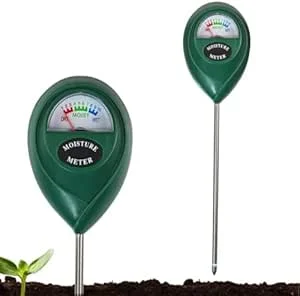 Soil moisture meterHelps check whether the root zone is actually ready for water.View on Amazon (paid link) ↗
As an Amazon Associate, HomePlantBot may earn from qualifying purchases.
VI. Limitations and Calibration Needs of Low-Cost Meters
Affordable meters are great for beginners, but not always the most accurate due to build quality and sensitive electronics.
Common Limitations:
- Short probe life or corrosion over time
- Inaccurate readings without regular calibration
Always calibrate monthly (biweekly during heavy use) using proper calibration solutions available at most garden stores or online.
VII. Cleaning, Storing & Caring for Probes to Extend Lifespan
Sensor probes last longer and give better readings with proper care.
Cleaning After Use:
- Rinse off any soil or residue after each measurement
- Use distilled water or gentle cleaning solution if required
Proper Storage:
- pH probes: Store in damp conditions or pH storage solution
- EC probes: Keep tip covered with KCl or probe cap with sponge
- Moisture probes: Wipe and dry before putting away
Never allow sensitive probes—especially for pH—to dry out for extended periods.
VIII. Connect Sensors to Apps & Track Trends Over Time
Going digital can make your plant care even easier. Smart sensors link to mobile apps via Bluetooth or Wi-Fi to log data over time.
Benefits of a Connected Setup:
- Visualize trends like daily light exposure and moisture loss
- Get alerts when watering or adjustment is needed remotely
- Make informed decisions for seasonal changes or plant growth stages
Popular tools include Xiaomi’s Mi Flora, VEGEBOX apps, or more advanced platforms like Grow With Jane or Planta. Automation-friendly setups can evolve into self-watering and self-regulating systems outlined in our Smart Automated Plant Care guide.
Conclusion: Use Data, Not Guesswork, to Grow Better
Smart meters and sensors aren’t just for professional growers. They help new plant parents and hobbyists avoid costly mistakes and develop consistent routines.
Start simple—get a moisture meter. As your routine grows, add EC and pH monitoring for balanced feeding. Eventually, you’ll understand what your plants need, when they need it—without relying on luck.
Ready to take the guesswork out of watering and feeding? Explore how smart sensors fit into a low-maintenance routine in our full guide to Smart Automated Plant Care.
Want a faster plant diagnosis before buying more gear?
Meters help, but the bigger win is knowing what problem you are actually solving. Use Plant Bot to narrow the issue first, or browse the Solution Kits if you want a more guided fix.
Need help choosing the next care step?
If the symptoms in this article match your plant, use Plant Bot or the rescue checklist before buying anything. A quick diagnosis helps you fix the actual cause, not just the most visible symptom.
Quick decision checklist
- Increase light gradually to avoid scorch.
- Rotate the plant for even growth.
- Water less in lower light.
- Watch color and leaf posture for feedback.