
HomePlantBot care guide
How to Mix, Dilute & Store Liquid Fertilizers Safely
Fertilizing your plants can seem daunting, but done correctly, it becomes one of the most rewarding parts of plant care. Proper use of liquid fertilizers helps your plants grow stronger, resist disease, and thrive all year round. Missteps, however, can lead to scorched roots or wasted product. That’s why it’s vital to understand the steps involved in safely mixing, diluting, and storing fertilizers.
What you’ll learn in this article
- How to understand and read fertilizer labels, including N-P-K ratios
- Simple methods for mixing and diluting liquid fertilizers accurately
- Best practices for storing fertilizers to ensure safety and effectiveness
- Tips to avoid over-fertilizing and chemical mishandling
- Confidence-boosting advice for beginner gardeners and plant owners
Affiliate disclosure: HomePlantBot may earn from qualifying purchases through the Amazon links below, at no extra cost to you.
Introduction
This beginner-friendly guide is crafted for new plant parents and gardeners who want to fertilize confidently—without the stress of confusing labels and ratios.
Want to know how water quality affects nutrient absorption? Check out our guide here.
Interpreting Fertilizer Labels and Understanding N‑P‑K Ratios
Fertilizer labels often list three numbers—like 10-10-10—which represent the nutrient profile. Here’s what they mean:
| Nutrient | Symbol | Helps With |
|---|---|---|
| Nitrogen | N | Leaf and stem growth |
| Phosphorus | P | Root development and blooming |
| Potassium | K | Overall plant health and disease resistance |
Besides these core nutrients, labels might include:
- Micronutrients: Like iron, magnesium, and zinc
- Chelates: Help micronutrients become more available to plants
- Additives: Includes growth enhancers or pH adjusters
Choose a fertilizer based on plant type. For leafy greens, opt for higher nitrogen. For flowering plants, focus on phosphorus.
Calculating Dilution Rates and Mixing Concentrates Correctly
Fertilizer labels might read “1 tsp per gallon,” but what does that mean in practice? It means you need to dilute 1 teaspoon of concentrated fertilizer into 1 gallon of water for safe application.
Use Measuring Tools, Not A Guess
- Measuring cups or spoons: Great for larger quantities
- Syringes/droppers: More accurate for small doses
Avoid eyeballing—it’s easy to add too much, risking root damage.
Tips for Mixing Just Enough
- Estimate how much water your plant(s) will need
- Only mix what you’ll use right away when possible
- Use a watering can with measurement marks or pour into a calibrated jug
Using Clean, Dedicated Containers and Measuring Tools
Cross-contamination between fertilizer and food tools can be dangerous. Use separate containers and clearly label them for plant use only.
Cleaning Guidelines
- Rinse with warm water and dish soap after use
- Air dry thoroughly before storing
Mark your fertilizing tools as “For Plants Only” using permanent marker or stickers to avoid confusion.
Storing Concentrates Safely and Away from Children or Pets
Fertilizer is a helpful product—but it’s also a chemical. Store it with care to protect children, pets, and your environment.
Storage Principles
- Keep fertilizer in the original container with the label intact
- Choose a cool, dry place out of direct sunlight
- Lock away from kids and pets, just like you would with cleaning supplies
Helpful products for this care problem
Helpful products for this plant care problem
If this is the issue you are solving, these tools can make the next step easier. They are optional, but they match the care problem covered in this article.
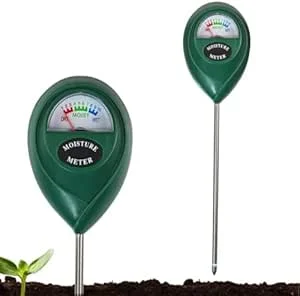 Soil moisture meterHelps check whether the root zone is actually ready for water.View on Amazon (paid link) ↗
 Digital hygrometerHelps track humidity and temperature around sensitive plants.View on Amazon (paid link) ↗Clip-on grow lightUseful for dim rooms, winter care, and plants stretching toward light.View on Amazon (paid link) ↗
As an Amazon Associate, HomePlantBot may earn from qualifying purchases.
Deciding Whether to Prepare Single-Use or Batch Solutions
Are you watering a few houseplants or fertilizing a whole garden? The answer affects how you mix your solution:
When to Mix Single-Use Doses
- Small tasks or sporadic feeding
- Prevents waste from leftover solution
- Ensures consistency and potency
When Batching Makes Sense
- If you have a large garden or indoor plant collection
- If you’re feeding weekly and want to save time
Storage Tips for Leftover Solutions
- Use opaque containers to block light
- Label with strength and date (more on that below)
- Avoid storing more than one week
Labeling Diluted Mixtures with Concentration and Mixing Date
If you store any leftover fertilizer solution, label everything clearly to prevent mistakes.
What Your Label Should Include:
- Type of fertilizer (e.g., 10-10-10 all-purpose)
- Dilution strength (e.g., ¼ strength)
- Date mixed (e.g., May 4, 2024)
Use waterproof labels or masking tape written with permanent marker so the writing doesn’t smear or fade.
Disposing of Expired or Contaminated Fertilizer Responsibly
Don’t keep using fertilizer that’s gone bad—it may do more harm than good.
Signs of a Spoiled Fertilizer
- Cloudy or milky appearance
- Foul odor
- Visible separation or sediment that won’t shake away
Check package labels for expiration guidelines. If the product is no longer usable:
- Do not pour it down the drain or compost it
- Search for hazardous waste drop-off locations in your area
- Follow local regulations for chemical disposal
Applying Fertilizer Evenly and Avoiding Root Burn
Plants need nourishment, but they also need moderation. Applying too much fertilizer can “burn” roots, leaving them damaged or dying.
Best Practices
- Start with half-strength applications if you’re unsure
- For small indoor plants, feed every 2–4 weeks during growth periods
- Avoid fertilizing during plant dormancy (often in winter)
Even Application Techniques
- Use a watering can to apply evenly to soil
- Foliar feeding (spraying leaves) is optional and only suitable with proper products
Conclusion: Safe and Effective Fertilizing Practices
Applying liquid fertilizer correctly is part science, part art—and very doable once you learn the basics. Let’s recap what you’ve learned:
- Always read and understand fertilizer labels
- Use precise tools to measure and mix
- Store in original containers, out of reach of kids and pets
- Label everything carefully—from tools to diluted batches
- Never dispose of fertilizer down the drain—follow safe methods
Like with any skill, confident fertilizing comes with practice. Bookmark this guide and revisit it each growing season to stay on track.
Curious how your tap water affects nutrient delivery? Find out now.
Need help choosing the next care step?
If the symptoms in this article match your plant, use Plant Bot or the rescue checklist before buying anything. A quick diagnosis helps you fix the actual cause, not just the most visible symptom.
Quick decision checklist
- Check the growing conditions before changing everything.
- Adjust one care factor at a time.
- Use symptoms to guide the next step.
- Give the plant time to respond after corrections.