
HomePlantBot care guide
Peat‑Free Potting Mixes & Sustainable Ingredients
Ever wonder what’s actually in your potting soil? You’re not alone. Many houseplant enthusiasts scoop from their favorite bag of soil without realizing one common ingredient—peat moss—comes at a high environmental cost.
What you’ll learn in this article
- Understand why peat is harmful to the environment and why you should avoid it
- Learn about beginner-friendly, sustainable ingredients for making your own potting mix
- Get easy DIY recipes for general houseplant mixes and specialized plant groups
- Discover tips for sourcing eco-friendly materials and transitioning your plants
- Pick up actionable steps to reduce your gardening carbon footprint
Affiliate disclosure: HomePlantBot may earn from qualifying purchases through the Amazon links below, at no extra cost to you.
Peat moss has long been a go-to in commercial potting mixes thanks to its ability to retain moisture and support plant roots. But the process of harvesting peat is anything but sustainable. The good news? You don’t have to sacrifice lush, healthy houseplants to make more eco-conscious choices. Switching to peat-free potting mixes is easier—and greener—than you might think!
Why Avoiding Peat Helps Protect Fragile Ecosystems
Peat moss develops slowly in peat bogs over thousands of years, building up as layers of partially decomposed plant material. These peatlands play a crucial environmental role as:
- Massive carbon sinks that store more carbon per acre than forests
- Unique ecosystems supporting rare wildlife and plant species
Unfortunately, harvesting peat involves draining and extracting these wetlands, which releases carbon dioxide into the atmosphere, destroys habitats, and permanently alters landscapes. Once disturbed, peatlands can take centuries to regenerate—if at all.
In light of these issues, countries like the UK are enacting bans on peat in consumer gardening products. As awareness grows, so do the options for gardeners to make greener choices at home.
Exploring Sustainable Alternatives
Luckily, there are several renewable and eco-friendly ingredients you can use in place of peat moss. These materials provide similar (or improved) benefits for your plants and the planet.
Coconut Coir
- A byproduct of the coconut industry (made from husks)
- Retains moisture well without becoming waterlogged
- Lightweight, sterile, and pH-neutral
Pine Bark Fines
- Improves structure, aeration, and drainage
- Biodegradable and long-lasting in containers
Homemade or Store-Bought Compost
- Rich in essential nutrients and organic matter
- Improves soil structure and microbial activity
- May vary in texture, so consider screening before use
Worm Castings (Vermicompost)
- Natural plant food brimming with beneficial microbes
- Enhances plant immunity and root development
DIY Recipes for a Balanced, Peat-Free Potting Mix
Not all plants have the same needs, so customizing your mix ensures your leafy friends thrive. Here’s a general-purpose peat-free potting mix suitable for most houseplants:
- 2 parts coconut coir
- 1 part pine bark fines
- 1 part compost
- 1 handful worm castings
- Optional: ½ part perlite or pumice for extra drainage
This base mix balances moisture retention, drainage, and nutrition—perfect for a wide range of indoor plants.
Customizing Mixes for Different Plant Groups
Succulents & Cacti
- 2 parts coarse sand or perlite
- 1 part coconut coir
- 1 part pine bark fines
This extra-drainage mix helps prevent root rot in dry-loving plants.
Tropicals (Monstera, Pothos, etc.)
- 2 parts coconut coir
- 1 part pine bark fines
- 1 part compost
- Optional: small amount of worm castings
Tropical plants love warmth, humidity, and organically rich substrates.
Seed Starting
- 2 parts fine coconut coir
- 1 part perlite
- Optional: tiny amount of compost (to avoid burning seedlings)
This fine-textured mix encourages root growth and gentle moisture for new sprouts.
Helpful products for this care problem
Helpful products for soil and repotting
If this is the issue you are solving, these tools can make the next step easier. They are optional, but they match the care problem covered in this article.
 Indoor potting mixA useful base when refreshing compacted or tired soil.View on Amazon (paid link) ↗Repotting matKeeps indoor repotting and root checks cleaner.View on Amazon (paid link) ↗
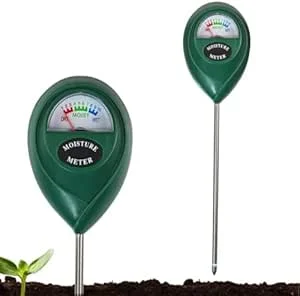 Soil moisture meterHelps check whether the root zone is actually ready for water.View on Amazon (paid link) ↗
As an Amazon Associate, HomePlantBot may earn from qualifying purchases.
Finding Reliable Sources for Eco-Friendly Potting Ingredients
When shopping for sustainable potting ingredients, look out for trustworthy certifications and labels such as:
- OMRI Listed: Suitable for organic growing
- Sustainably Sourced: Ensures responsible production methods
You can often find peat-free supplies at local garden centers, plant nurseries, hardware stores, community co-ops, or reputable online retailers. To be even more sustainable:
- Buy in bulk to reduce packaging waste
- Share or split larger bags with neighbors or plant friends
For more tips on sourcing responsibly, visit our guide to Sustainable, Low-Waste Plant Care.
Weighing the Benefits and Drawbacks of Each Component
| Ingredient | Pros | Cons |
|---|---|---|
| Coconut Coir | Excellent water retention, sterile, renewable | Imported, has environmental shipping impact |
| Compost | Rich in nutrients, can be homemade | Texture can vary, may contain weed seeds |
| Pine Bark | Improves structure, lasts long | Can compact if not mixed properly |
| Worm Castings | Microbe-rich, great natural fertilizer | Expensive in large amounts |
Tips for Transitioning Plants from Peat-Based Soil to New Mixes
Ready to make the switch? Here’s how to help your plants adapt comfortably to their new, peat-free home:
- Repot during the growing season (spring or summer) when your plant is most resilient
- Gently remove old peat-based soil from roots without damaging them
- Water thoroughly after repotting, then adjust your watering routine—coir may retain moisture longer
- Watch for signs of stress (yellowing leaves, drooping) and provide consistent light and care
- Give your plant a few weeks to settle into its new environment
Supporting Sustainability Through Soil Choice
Swapping peat for sustainable ingredients protects carbon-rich peatlands, supports habitat preservation, and reduces your gardening footprint. It’s an easy but powerful choice for every level of plant parent.
By understanding what’s in your soil and where it comes from, you’re actively contributing to a more regenerative, environmentally mindful form of gardening. Thoughtful potting mix decisions lead to better outcomes for both your plants and the planet.
Quick Start Checklist
- Ingredients: Coconut coir, pine bark fines, compost, worm castings, optional perlite
- Tools: Large mixing bin, gloves, measuring scoop, watering can
- Basic Recipe: 2 parts coconut coir, 1 part pine bark, 1 part compost, handful of worm castings
- Learn More: Visit Sustainable, Low-Waste Plant Care
Ready to take the next step? Explore our guide to Sustainable, Low-Waste Plant Care for more eco-friendly tips and resources.
Need help choosing the next care step?
If the symptoms in this article match your plant, use Plant Bot or the rescue checklist before buying anything. A quick diagnosis helps you fix the actual cause, not just the most visible symptom.
Quick decision checklist
- Refresh compacted mix before roots decline.
- Choose a pot size that matches the root ball.
- Check moisture deeper than the surface.
- Stabilize the plant after repotting before fertilizing.