
HomePlantBot care guide
Pothos Potting mix
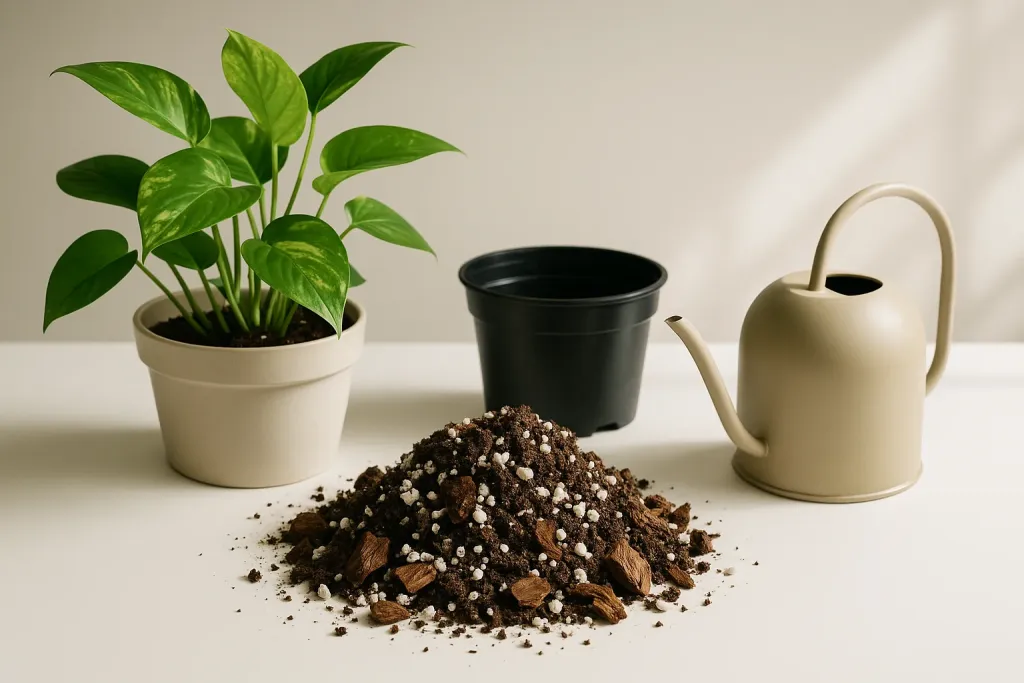
Pothos, also known as Epipremnum aureum, is beloved for its easy-going nature and lush, trailing foliage. Perfect for beginners and seasoned plant parents alike, this popular indoor plant thrives with minimal effort. But even low-maintenance plants like pothos benefit tremendously from the right potting mix.
What you’ll learn in this article
- How to create the ideal potting mix for pothos plants
- Essential soil components and their proportions
- Tips for preparing and storing your custom mix
- Adjusting the soil blend for different pothos varieties
- Repotting steps using your custom mix
- Troubleshooting common pothos soil issues
Affiliate disclosure: HomePlantBot may earn from qualifying purchases through the Amazon links below, at no extra cost to you.
Introduction
Choosing or creating a mix tailored for pothos ensures healthy root development, vibrant foliage, and long-lasting growth. In this guide, we’ll walk you through everything you need to know to create and use the ideal potting soil for your lush green companions.
Want to learn more about overall care? Visit our related guide: Pothos Care: Blueprint for Common Varieties.
Importance of the Right Soil Mix
The composition of your potting mix significantly influences your pothos plant’s health. Proper drainage and airflow are vital. A balanced mix prevents water from sitting around the roots too long, which can lead to root rot—a common issue, especially in low-light environments.
Many generic store-bought potting soils tend to compact over time, suffocating the roots and holding too much moisture. These issues can result in stunted growth or yellowing leaves. A well-crafted mix also supports the development of aerial roots that pothos use to climb and trail elegantly from pots or hanging baskets.
Key Ingredients and Proportions
To mimic a light, aerated, moisture-retaining environment that pothos thrive in, you’ll want to build your mix with the following ingredients:
Base Components
- Peat moss or coco coir: Helps retain moisture without compacting. Coco coir is more sustainable and pH-neutral compared to peat.
- Perlite or pumice: Lightweight materials that promote good drainage and encourage air pockets around roots.
- Pine bark fines: Adds structure and provides slow nutrient release. It also enhances aeration.
Optional Additives
- Worm castings: Rich but gentle fertilizer source—great for steady, long-term feeding.
- Activated charcoal: Helps absorb impurities and keeps odors at bay, especially in enclosed pots.
Standard Pothos Mix Ratio
| Component | Proportion |
|---|---|
| Peat moss or coco coir | 2 parts |
| Perlite | 1 part |
| Pine bark | 1 part |
Tip: Always source high-quality, organic ingredients whenever possible. The fewer fillers and synthetic elements, the better for your indoor ecosystem.
Mixing and Preparing the Medium
Once you’ve gathered your components, it’s time to bring them together.
Step-by-Step Instructions
- Measure out your components using a container or scoop.
- Combine the dry ingredients in a large bin or bucket. Wear gloves and a dust mask to avoid inhaling particles.
- Mix thoroughly to ensure even distribution of materials.
- Slowly add water while continuing to mix. You want the medium to be damp, but not soggy—similar to the texture of a wrung-out sponge.
Storage Tips
- Store unused mix in an air-tight bin or resealable bag.
- Keep it in a cool, dry place out of direct sunlight.
- Label your mix with the date and proportions for future reference.
Helpful products for this care problem
Helpful products for soil and repotting
If this is the issue you are solving, these tools can make the next step easier. They are optional, but they match the care problem covered in this article.
 Indoor potting mixA useful base when refreshing compacted or tired soil.View on Amazon (paid link) ↗Repotting matKeeps indoor repotting and root checks cleaner.View on Amazon (paid link) ↗
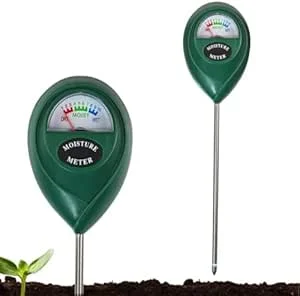 Soil moisture meterHelps check whether the root zone is actually ready for water.View on Amazon (paid link) ↗
As an Amazon Associate, HomePlantBot may earn from qualifying purchases.
Adjustments for Specific Pothos Varieties
While the standard pothos mix works well for most types, certain varieties or growing conditions may benefit from tailored tweaks.
Suggested Mix Adjustments
| Pothos Variety | Recommended Adjustment |
|---|---|
| Golden or Jade | Standard mix is sufficient |
| Marble Queen or N’Joy | Add extra 0.5 part perlite for drier conditions |
| Cebu Blue or Satin | Add 0.5 part orchid bark for chunkier texture |
Environmental Considerations
- In high humidity areas, reduce moisture-retaining components like peat or coir.
- In dry climates or heated homes, you may increase coco coir slightly.
- Terra cotta pots breathe and dry quickly—consider using slightly more coir.
- Plastic or ceramic pots retain more water—adjust aeration components accordingly.
Repotting Using the Mix
Knowing when and how to repot your pothos can rejuvenate its health and promote fresh growth.
Signs It’s Time to Repot
- Roots circling the bottom or growing out of drainage holes
- Water runs straight through the pot with minimal absorption
- Leaves yellowing or growth slowing despite good care
Repotting Checklist
- Gently remove the plant from its current pot.
- Shake off or rinse away old soil.
- Untangle and inspect roots. Trim any mushy, dead, or pest-infested sections.
- Select a pot 1–2 inches wider in diameter with good drainage.
- Fill the bottom with your prepared mix, position the plant, and backfill around the roots.
- Water thoroughly and let it drain.
- Place the plant in indirect light and avoid fertilizing for a few weeks while it recovers.
Troubleshooting Soil Issues
If your pothos is showing signs of stress, the soil may be part of the problem. Here’s how to identify and fix common issues:
Common Symptoms and Solutions
| Symptom | Likely Cause | Solution |
|---|---|---|
| Foul smell | Overwatering, compact soil, anaerobic conditions | Repot into fresh mix with more perlite/pine bark |
| White crust on soil | Mineral salt buildup from tap water/fertilizer | Flush pot with distilled water and reduce feeding |
| Rapid drying | Too much perlite or dry environment | Add extra coir or relocate plant to cooler spot |
Nutrient Deficiency or Pest?
- Pale leaves with green veins: Likely a nutrient imbalance—consider adding worm castings.
- Sticky residue or webbing: Could be pests like aphids or spider mites—inspect closely and treat accordingly.
When to Replace vs. Amend
- Replace soil: When it smells bad, drains poorly, or appears degraded.
- Amend soil: When conditions are generally good but require minor pH or texture tweaks.
Conclusion
Crafting the right potting mix is one of the most impactful ways to support a thriving, resilient pothos plant. With the proper balance of moisture retention, drainage, and nutrients, your pothos will reward you with vigorous growth and lush cascades of greenery.
Each plant may respond differently, so don’t be afraid to experiment and observe how your specific environment affects soil performance. Keep notes on what works—your perfect mix is both a science and an art.
Ready to deepen your pothos care game? Check out our dedicated guide: Pothos Care: Blueprint for Common Varieties.
Final tip: Keep a gardening journal with your custom mix ratios—it’ll become your go-to reference for future repotting success!
Want More Plant Tips?
Want to build a thriving indoor jungle? Subscribe to our email list for monthly plant care guides tailored for busy professionals and cozy home offices.
Need help choosing the next care step?
If the symptoms in this article match your plant, use Plant Bot or the rescue checklist before buying anything. A quick diagnosis helps you fix the actual cause, not just the most visible symptom.
Quick decision checklist
- Refresh compacted mix before roots decline.
- Choose a pot size that matches the root ball.
- Check moisture deeper than the surface.
- Stabilize the plant after repotting before fertilizing.