
HomePlantBot care guide
Pruning & Height Control for Indoor Trees
Identify the species before controlling height.
Can this indoor tree tolerate removal of its growing tip?
Identify the species before controlling height. Do not treat Norfolk Island pine like a branching fig: topping can permanently change its form. For a healthy plant that tolerates pruning, plan a limited suitable cut and preserve viable growth rather than following a universal topping schedule.
What you’ll learn in this article
- Understand why pruning is essential for indoor tree health and aesthetics
- Learn when and how to prune popular indoor tree species
- Discover beginner-friendly techniques like pinching, heading back, and thinning
- Find out how to control tree height and encourage bushier, fuller growth
- Know the tools, safety tips, and aftercare practices for healthy recovery
Affiliate disclosure: HomePlantBot may earn from qualifying purchases through the Amazon links below, at no extra cost to you.
Introduction
Ever feel like your indoor tree is outgrowing its cozy corner? You’re not alone. From fiddles stretching toward the ceiling to rubber trees creeping into your hallway, indoor trees can quickly take over if left unchecked. But here’s the good news: pruning isn’t just about keeping size in check—it’s one of the best things you can do for your plant’s shape, health, and overall happiness.
If you’re a beginner worried about making the wrong cut, don’t stress. Pruning is easier than it sounds, and once you understand a few basic techniques, it becomes an enjoyable and rewarding part of houseplant care. In this guide, you’ll get clear, practical steps for pruning indoor trees effectively and safely.
Why Prune Indoor Trees?
Shape Maintenance
There are two main reasons to shape an indoor tree: structural and aesthetic. Structurally, pruning encourages strong, balanced growth and helps prevent leaning. Aesthetically, it allows you to maintain a pleasing silhouette or size that complements your interior decor over time.
Size Control
Without pruning, many indoor trees may grow too tall or wide to fit your available space. Strategic cuts help plants grow within limits, avoiding conflict with lighting, ceiling fans, or HVAC vents.
Health Boost
- Prune away dead or damaged branches to redirect energy to healthy growth.
- Removing crowded stems improves air circulation and sunlight penetration, reducing disease risk.
Considering adding more greenery to your space? Visit our Indoor Trees: Large Statement Plants guide for tips on choosing trees that fit your lifestyle and square footage.
Essential Tools for Cutting Thicker Stems Safely
Beginner Tool Kit
- Pruning shears: Ideal for small branches and tips.
- Loppers: Better leverage for cutting thicker stems.
- Pruning saw: Required for mature trees with hardwood branches.
Safety Tips
- Sanitize blades with rubbing alcohol before and after use to prevent disease spread.
- Wear gloves to protect hands and avoid sap irritation—especially with rubber trees, which exude a sticky latex sap.
- Use eye protection when working on large or tall plants.
Knowing the Best Time to Prune Various Species
In general, the best time to prune most indoor trees is late winter to early spring—right before the plant enters its active growth phase. This window allows cuts to heal quickly and encourages fresh growth.
| Tree | Ideal Pruning Window |
|---|---|
| Fiddle-leaf fig | Late winter to early spring |
| Rubber tree | Early spring |
| Jade plant | Spring to early summer |
| Norfolk Island pine | Late winter (light pruning only) |
Look for signs like swelling buds or small new leaves as cues that your tree is ready to grow—and benefit from a trim.
Techniques: Pinching Tips, Heading Back, and Thinning Cuts
Pinching
Pinching is the most beginner-friendly method. Using your fingers or sanitized scissors, remove the soft tip of a new stem. This encourages your plant to branch out, promoting fullness. Great for young plants just getting established.
Heading Back
A structured cut made just above a leaf node or lateral branch. This reduces height or width and stimulates growth near the cut point. Use this to shape overall structure or shorten tall stems.
Thinning
This involves cutting a full branch or stem all the way back to its origin. It opens up the canopy to let in more light and improve airflow, especially in crowded plants.
Helpful products for this care problem
Helpful products for this plant care problem
If this is the issue you are solving, these tools can make the next step easier. They are optional, but they match the care problem covered in this article.
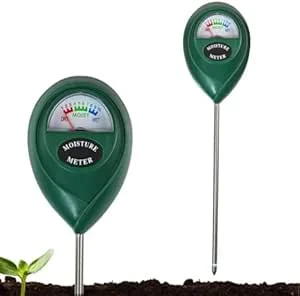 Soil moisture meterHelps check whether the root zone is actually ready for water.View on Amazon (paid link) ↗
 Digital hygrometerHelps track humidity and temperature around sensitive plants.View on Amazon (paid link) ↗Clip-on grow lightUseful for dim rooms, winter care, and plants stretching toward light.View on Amazon (paid link) ↗
As an Amazon Associate, HomePlantBot may earn from qualifying purchases.
Managing Sap Flow and Preventing Disease Entry via Cuts
- Make cuts just above a leaf node or branch collar—this helps the plant seal the wound efficiently.
- Use a sharp, angled cut to allow water to run off quickly and avoid pooling.
- With sap-heavy trees like rubber trees or figs, place a cloth or paper towel beneath cutting points to catch drips.
- Avoid pruning near carpets or upholstery if you expect dripping sap.
- Do not apply a wound sealer from a generic humidity claim. Use a species-appropriate pruning method and investigate damaged tissue rather than coating every cut.
Promoting Branching and Creating Bushier Growth
Feeling like your tree is leggy or sparse? Pruning can help remedy that.
- Remove dominant leaders: Tip removal has species-dependent consequences; do not top Norfolk Island pine or assume every indoor tree will branch below a cut.
- Encourage layers: For example, topping a single-stem rubber tree promotes a bushy, tiered look.
- Pinch early: For younger trees, pinching is ideal for naturally dense structure, without harsh cuts.
Over time, these methods will shape your indoor tree into a fuller, more balanced statement plant.
Keeping Height in Check with Strategic Tip Removal
Don’t wait for your tree to touch the ceiling. Instead, make small, regular adjustments to guide growth.
How to Do It
- Confirm that the identified species tolerates the intended cut; preserve the central leader of Norfolk Island pine.
- Plan a pruning schedule: Instead of one heavy chop per year, trim gently every few months depending on growth rate.
- Use ties or adjust lighting to influence growth direction, taking advantage of natural phototropism (plants growing toward light).
Providing Aftercare to Ensure Quick Recovery
- Pause fertilizing: Hold off on feeding your plant for 2–3 weeks post-prune to avoid stressing it.
- Boost humidity: Pruning can dehydrate stem ends; maintain ambient moisture to support healing.
- Bright, indirect light: Encourage recovery growth without risking sun damage to fresh cuts.
- Monitor cuts: Watch for browning, sap buildup, or infection. Do not use neem as a generic wound dressing. Record spreading damage and seek an appropriate diagnosis before treatment.
Once new buds appear around pruned areas, you can resume your regular care routine.
Conclusion: Training Indoor Trees Through Thoughtful Pruning
Whether you’re wielding pruners for the first time or refining a favorite fiddle-leaf’s shape, thoughtful pruning sets your indoor trees on a path to thrive. Let’s recap what we covered:
- Use clean tools geared for the branch size.
- Time your cuts for early growth seasons.
- Choose the right technique: pinching, heading back, or thinning.
- Control height and promote branching gradually and intentionally.
- Provide aftercare to minimize stress and keep your plants vibrant.
Pruning isn’t guesswork—it’s a skill. With every snip, you gain more insight, and your tree responds in kind. So go ahead—shape that rubber tree or tidy up that fig. You just might find it’s one of the most satisfying parts of indoor gardening.
Thinking about which indoor tree is right for your home or office? Explore our guide to Indoor Trees: Large Statement Plants to find your perfect match.
Have a question or pruning tip to share? Drop a comment below—we’d love to hear from you!
Need help choosing the next care step?
If the symptoms in this article match your plant, use Plant Bot or the rescue checklist before buying anything. A quick diagnosis helps you fix the actual cause, not just the most visible symptom.
Quick decision checklist
- Check the growing conditions before changing everything.
- Adjust one care factor at a time.
- Use symptoms to guide the next step.
- Give the plant time to respond after corrections.
When the plant is too tall for the room
Compare relocation, a better-matched plant and a species-specific pruning plan before cutting the leader. A height problem does not establish that root pruning, repeated topping or lowering light is a safe solution. For heavy branches or unstable pots, arrange suitable help rather than reaching from an insecure position.
Sources for these corrections
This source check supports targeted corrections and practical guidance. It does not establish a complete fact-check of every legacy claim or a plant-growth trial.