
HomePlantBot care guide
Peace Lily Propagation by division
Peace lilies ( Spathiphyllum ) are beloved for their elegant white blooms and air-purifying qualities. Whether you’re expanding your own indoor jungle, giving green gifts to friends, or creating new plants to sell, propagation is a budget-friendly and rewarding process. Propagating peace lilies lets you grow your plant collection without buying new ones, making it ideal for home gardeners and plant enthusiasts alike.
What you’ll learn in this article
- Discover why division is the most effective way to propagate a peace lily
- Understand the myths behind stem and node cuttings
- Learn the tools, timing, and techniques for successful division
- Find out how to care for new divisions and help them thrive
- Troubleshoot common problems after propagation
Affiliate disclosure: HomePlantBot may earn from qualifying purchases through the Amazon links below, at no extra cost to you.
Introduction to Propagation
Why Propagate Peace Lilies?
Common Propagation Techniques Explained
There are several plant propagation techniques, including:
- Division – separating clumps with roots into individual plants (most common for peace lilies)
- Stem cuttings – cutting part of the plant to root in soil or water (works for many plants, not peace lilies)
- Air-layering – encouraging new roots on the mother plant while still attached (for larger or woody plants)
Why Division is Best for Peace Lilies
Peace lilies naturally grow in clumps. Over time, one plant becomes several, each with its own root system. Division is ideal for peace lilies because:
- It aligns with their natural growth habit
- It’s safer and more effective than other methods
- The plant recovers quickly and continues growing
Stem Cuttings in Water (Myth-Busting Section)
Misconceptions Around Stem Cuttings for Peace Lilies
Many online videos and articles suggest that you can propagate peace lilies from a stem cutting in water. Unfortunately, this technique is often misunderstood and leads to failure or rotting.
Why Stem Cuttings in Water Rarely Work for Peace Lilies
Peace lilies don’t have easy-to-root nodes like other houseplants. The base of the plant consists of a crown rather than cuts suitable for propagation. Without nodes and root tissue, a stem in water may survive for a few days but won’t grow roots—leading to decay.
Exceptions or Similar Plants Where This Might Be Valid
Plants like pothos, philodendrons, and monsteras are excellent candidates for stem propagation in water. Peace lilies, however, must be divided and cannot grow from leaf or stem cuttings alone.
Stem Cuttings in Soil
Comparing to Water Cuttings—Similar Challenges
Similar to water cuttings, putting a stem in soil also often fails due to lack of nodes and root tissue. While the leaf might stay green for a while, it won’t form roots or establish as a new plant.
Why Peace Lilies Lack True Nodes
Unlike vining houseplants that produce clear nodes at each leaf junction, peace lilies grow through a crown. Their leaves and stems emerge from a central base without regenerative segments.
Summary: Not a Recommended Technique
Stem cuttings in soil, like water propagation, do not work well and should be avoided when propagating peace lilies.
Air-Layering Technique
What It Is and How It Works
Air-layering involves wounding a stem or trunk to encourage root growth while the stem remains attached. Once roots develop, the new shoot is removed and potted.
Why It’s Not Ideal or Necessary for Peace Lilies
This method is popular with large, woody plants and some tropicals. Peace lilies don’t have stems suitable for wounding, nor is air-layering necessary given how easily they divide at the root base.
When Air-Layering Might Apply
In rare cases, if a peace lily has grown exceptionally massive and has clearly defined separations, an advanced gardener might try an air-layering technique. Still, division remains faster and more effective.
Helpful products for this care problem
Helpful products for soil and repotting
If this is the issue you are solving, these tools can make the next step easier. They are optional, but they match the care problem covered in this article.
 Indoor potting mixA useful base when refreshing compacted or tired soil.View on Amazon (paid link) ↗Repotting matKeeps indoor repotting and root checks cleaner.View on Amazon (paid link) ↗
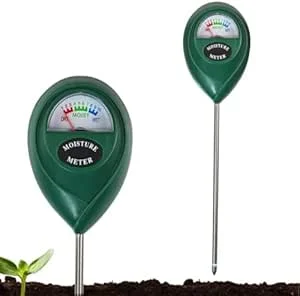 Soil moisture meterHelps check whether the root zone is actually ready for water.View on Amazon (paid link) ↗
As an Amazon Associate, HomePlantBot may earn from qualifying purchases.
Division and Offshoots (Main Content)
What Is Division?
Division means separating a mature, clustered plant into smaller sections, each with its own roots and leaves. It’s best done during spring or anytime you’re repotting your peace lily.
Identifying Offshoots/Natural Clumps
Look at your plant base. You’ll notice several clusters of stems fanning out from the soil. These are natural divisions or “offshoots” and can be separated and repotted as individual plants, as long as roots are attached.
Tools You’ll Need
- Clean, sterilized garden shears or knife
- Gloves for hand protection
- Fresh potting soil and containers
- A clean workspace and filtered water
Step-by-Step Guide to Peace Lily Propagation by Division
- Remove the plant from the pot gently: Turn the plant sideways, tap the pot, and slide out the root ball. Do not yank the leaves.
- Loosen the soil and identify natural divisions: Use your hands to gently shake off excess soil and look for sections with independent roots and 2–3 stems.
- Separate with hands or cut with a sterile blade: Carefully pull apart root sections. If they’re too tangled, make a clean cut between growth sections.
- Re-pot individual sections into fresh soil: Place each division in a small pot with well-draining soil. Water lightly.
How Many Divisions Can You Make?
This depends on the maturity of your plant. A large, healthy peace lily can produce 3 to 7 offshoots. Only divide sections that have both roots and foliage to ensure survival.
Once your divisions are planted, check out our guide to ongoing peace lily care: peace-lily-care-blueprint-and-bloom-tips.
Wet Sticks and Node Propagation
Definition of Wet Stick Propagation
Wet stick propagation involves placing a bare stem cutting with a node in moist substrate or water until roots and leaves develop. It’s common with aroids like philodendrons or monsteras.
Why This Doesn’t Apply to Peace Lilies
Peace lilies lack true nodes that grow new stems or roots. As such, wet stick propagation simply won’t work and often leads to rot or mold before any root growth occurs.
How Peace Lilies Differ from Aroids
Unlike climbing aroids with modular growth, peace lilies grow from a central crown and expand via clumping. This fundamental difference makes node or stick propagation impossible.
Aftercare and Transplanting
Ideal Soil for Young Divisions
Use a loose, well-draining soil mix—preferably one designed for aroids or tropical plants. A mix of peat, perlite, and pine bark works well.
Light, Water, and Humidity Needs After Division
- Light: Bright, indirect sunlight is best
- Water: Keep the soil slightly moist but never soggy
- Humidity: Raise humidity using a humidifier or pebble tray
Signs of Good Growth After Propagation
- New leaf development within 4–6 weeks
- Firm, upright foliage
- No wilting or browning at the tips
When and How to Fertilize the New Plants
Wait 4–6 weeks before adding diluted liquid fertilizer. Too soon can burn roots. Begin with a half-strength balanced fertilizer every month during growing season.
Troubleshooting and Tips
Common Issues After Propagation
| Issue | Cause | Solution |
|---|---|---|
| Leaf droop | Shock or low humidity | Increase humidity and avoid direct light |
| Yellowing leaves | Overwatering | Let soil dry slightly and check drainage |
| Root rot | Poor soil or overwatering | Repot in fresh soil and trim mushy roots |
When to Worry and When to Wait
Mild drooping or yellowing is normal post-transplant. Wait 1–2 weeks before making changes. If symptoms worsen, check root health and soil conditions.
Tips for Better Success
- Use room-temperature, filtered water
- Don’t overwater right after repotting
- Let the plant adjust gradually to new light levels
Encouraging Blooms In Newly Propagated Plants
New plants may not flower for several months. To boost future blooms, follow our peace lily care and bloom tips guide.
Conclusion
Recap of Why Division Is the Best Method
Of all the propagation methods explored, division stands out as the safest and most reliable for peace lilies. No complicated chemicals, tools, or long waits—just healthy rooted sections and proper aftercare.
The Joy of Growing Peace Lilies from Your Own Collection
There’s something deeply satisfying about growing your peace lily family from a single plant. Each division carries the legacy of the parent, thriving in its own space while bringing calm and beauty to your surroundings.
Encouragement to Propagate Responsibly
Always use clean tools and only propagate healthy plants to ensure success. A little care goes a long way in creating strong, lush new peace lilies.
Call-to-Action
Ready to grow your peace lily collection? Get expert blooming tips here.
Drop us a photo of your propagation success in the comments!
Need help choosing the next care step?
If the symptoms in this article match your plant, use Plant Bot or the rescue checklist before buying anything. A quick diagnosis helps you fix the actual cause, not just the most visible symptom.
Quick decision checklist
- Refresh compacted mix before roots decline.
- Choose a pot size that matches the root ball.
- Check moisture deeper than the surface.
- Stabilize the plant after repotting before fertilizing.