
HomePlantBot care guide
Quarantining & Labeling Toxic Plants at Home
Indoor plant ownership has skyrocketed in recent years, with people embracing greenery not only for aesthetics but also for health and wellness. However, a common misconception persists: that all houseplants are harmless. In reality, over 700+ indoor plant species are known to be toxic to pets and children.
What you’ll learn in this article
- Why quarantining and labeling toxic plants at home is essential for safety
- How to design safe zones and use enclosures for toxic species
- Clear labeling techniques to warn family and guests
- Tips for communicating plant safety rules with household members
- Tools to track and update your ever-growing plant collection responsibly
Affiliate disclosure: HomePlantBot may earn from qualifying purchases through the Amazon links below, at no extra cost to you.
Introduction: Love Plants? Stay Safe While Growing Your Collection
If you’re living with curious toddlers, playful pets, or even roommates, keeping a safe plant environment is critical. This guide is here to empower beginners with actionable steps to enjoy plant care safely—without sacrificing your favorite foliage.
Why Isolating Toxic Plants Is Essential in Homes with Pets and Children
Many popular houseplants contain natural compounds that are toxic when ingested or touched. Some can cause vomiting, rashes, or even severe internal symptoms if consumed.
For a deeper dive into plant toxicity, visit our guide on houseplant toxicity and pet/child safety.
Common Toxic Houseplants
- Pothos (Epipremnum aureum) – Causes mouth irritation and vomiting
- Dieffenbachia – Can cause swelling of the mouth and throat
- Sago Palm – Highly toxic to pets, particularly dogs
Risks in the Home
- Cats chewing on trailing vines
- Toddlers putting leaves in their mouths while crawling
- Guests mistaking a toxic plant for decorative greenery and handling it
Designating a Safe Area for Hazardous Species
Not every toxic plant needs to be removed—just carefully located. Designate an area where pets and children can’t reach.
Ideas to Secure Your Plants
- High Gardens: Use sturdy wall-mounted shelves or tall bookshelves
- Hanging Baskets: Suspend from the ceiling or curtain rods
- Closed Rooms: Use spare bathrooms or home offices
- Visual Blockers: Strategically place decor items that discourage exploration
These zones can also blend seamlessly with your interior design by using coordinated pots, shelving, and lighting.
Labelling Plants Clearly to Alert Household Members and Visitors
Clear labels help identify hazardous plants at a glance, preventing unnecessary contact or accidents.
Effective Labeling Tips
| Label Type | Description | Best For |
|---|---|---|
| Color-Coded Tags | Use red tags for toxic, green for safe | Quick visual identification |
| Pot Stickers | Engraved/printed stakes inserted in the pot | Permanent labeling solution |
| Hanging Cards | Labels tied around the pot or stem | Temporary but customizable |
Consider designing your own tags using print-at-home templates or craft labels that match your aesthetic. Label placement matters too—aim for visibility at the base or slightly above eye level if using tall planters.
Communicating with Family and Roommates About Plant Safety
Even with labels in place, clear communication is key in shared living spaces.
Helpful Communication Techniques
- Kids: Teach “look but don’t touch” through storytelling or colored signs
- Roommates: Explain your label system and ask them to avoid moving plants
- Shared Lists: Create and update an accessible document naming safe vs. toxic plants
- Use Tech: Share updates using a Google Sheet or WhatsApp group messages
This shared awareness helps prevent misunderstandings and keeps your household safer.
Helpful products for this care problem
Helpful products for this plant care problem
If this is the issue you are solving, these tools can make the next step easier. They are optional, but they match the care problem covered in this article.
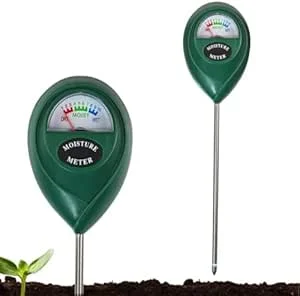 Soil moisture meterHelps check whether the root zone is actually ready for water.View on Amazon (paid link) ↗
 Digital hygrometerHelps track humidity and temperature around sensitive plants.View on Amazon (paid link) ↗Clip-on grow lightUseful for dim rooms, winter care, and plants stretching toward light.View on Amazon (paid link) ↗
As an Amazon Associate, HomePlantBot may earn from qualifying purchases.
Housing Toxic Plants in Enclosures or Non-Accessible Locations
Creative containment solutions can keep your plants visible but securely unreachable.
Ideas for Safe Containment
- Closed Terrariums: Ideal for moisture-loving small plants and sealed completely
- Glass Cabinets: IKEA hacks (like the Detolf or Milsbo units) make great plant enclosures
- Outdoor Housing: Place toxic varieties outside year-round or seasonally if your climate allows
These enclosures not only protect your loved ones but also increase humidity for tropical species, boosting plant health.
Rotating and Updating Your Plant List as Your Collection Changes
Managing plant safety isn’t a one-and-done job. Your collection will grow and evolve—so should your safety plan.
What to Track
- Name of plant
- Date acquired
- Toxicity level
- Location in the home
- Last moved or repotted
Management Tools
- Spreadsheets: Use Excel or Google Sheets for free and easy tracking
- Apps: Try Planta, Greg, or Gardenize to track care and safety notes
Whenever you add new species, review your setup: do you need to re-label, move, or quarantine anything?
Inspecting and Maintaining Enclosures to Prevent Accidents
Even well-placed plants can become safety hazards over time due to growth or wear.
Weekly Plant Safety Checklist
- Check enclosures for wear: loose doors, cracked glass, open tops
- Inspect for humidity damage that may weaken seals
- Watch for overgrowth that enables access or unintentional exposure
- Monitor pets for increased attention to plant areas
- Re-position and relabel as needed after seasonal sunlight changes
This simple upkeep can drastically reduce risks and ensure your plant areas are safe year-round.
Conclusion: Enjoying Rare or Toxic Plants Responsibly
Having toxic houseplants doesn’t mean putting your loved ones at risk. With a bit of planning—quarantining, labeling, communicating, and maintaining—you can create a lush, vibrant collection that’s also safe.
Don’t keep the safety wisdom to yourself. Share your plant quarantine setup on social media and help other plant parents make informed adjustments to their indoor gardens.
Want expert help building your safe plant collection? Visit our full guide at /plant-toxicity-pets-safety.
Bonus Resources
- Download: Toxic Houseplant Label Templates (Free PDF)
- Checklist: 7-Step Safe Gardening Plan for Pet Owners
- Household Toxic Plant Communication Plan (Sample Download)
Let’s Hear from You!
- Have you experienced a toxic plant incident at home?
- How do you organize your plant safety zones?
- What creative enclosures or labeling systems have worked for you?
Need help choosing the next care step?
If the symptoms in this article match your plant, use Plant Bot or the rescue checklist before buying anything. A quick diagnosis helps you fix the actual cause, not just the most visible symptom.
Quick decision checklist
- Check the growing conditions before changing everything.
- Adjust one care factor at a time.
- Use symptoms to guide the next step.
- Give the plant time to respond after corrections.