
HomePlantBot care guide
Houseplant Tools & Supplies: Expert Reviews & DIYs
Houseplant culture has bloomed—transforming from a decorative trend into a cornerstone of modern home wellness and design. With more people turning their homes into indoor green sanctuaries, understanding the right tools, smart supplies, and DIY hacks can make all the difference between thriving foliage and frustrated plant parents.
What you’ll learn in this article
- Which tools you really need to care for houseplants
- Expert-reviewed recommendations for key supplies
- DIY hacks and creative ideas you can try with what you have at home
- Safety and maintenance tips to protect your plants (and yourself)
Affiliate disclosure: HomePlantBot may earn from qualifying purchases through the Amazon links below, at no extra cost to you.
Introduction
This comprehensive guide will walk you through the essential houseplant tools and supplies you need, expert product reviews you can trust, and fun DIY projects to personalize your plant care.
Equipment & Materials
Essential Houseplant Tools
- Pruners and Shears: Use pruners for thick stems and branches, and shears for trimming delicate leaves or shaping foliage.
- Watering Can vs. Spray Bottle: Watering cans are great for deep soil saturation, while spray bottles help manage humidity and clean leaves.
- Soil Scoop and Mini Trowel: Ideal for mess-free potting and replanting in small spaces—especially windowsills and shelf setups.
- Moisture Meter and pH Tester: These handy gadgets help prevent both overwatering and nutrient lockout in your plants.
- Grow Lights and Meters: Perfect for kitchens or offices with little natural light—grow lights mimic sunlight while meters help you monitor intensity.
Must-Have Houseplant Supplies
- Potting Soil Types: Choose based on plant needs—indoor blend for most, cactus mix for succulents, and orchid bark for epiphytes.
- Plant Food & Fertilizers: Most indoor plants benefit from monthly feeding with organic liquids or slow-release pellets.
- Planters & Pots: Always pick ones with proper drainage holes. Pair with saucers to protect surfaces.
- Stakes & Supports: For vining or heavy-top plants—bamboo stakes, trellises, and moss poles offer creative structure.
- Cleaning Supplies: Neem oil, soft cloths, and natural fungicides keep your leaves clean and pests under control.
Expert Reviews for Key Products
| Tool | Top Pick | Price | Rating |
|---|---|---|---|
| Compact Pruners | Fiskars Micro-Tip | $14.99 | 4.8★ |
| Ergonomic Pruners | Corona ComfortGEL | $19.00 | 4.6★ |
| Soil Scoop Set | Vremi 3-Piece Garden Tools | $22.50 | 4.5★ |
| Grow Light | GE BR30 Full Spectrum LED | $10.99 | 4.7★ |
| Organic Fertilizer | Espoma Indoor Plant Food | $8.99 | 4.9★ |
| Moisture Meter | XLUX T10 Basic Meter | $11.99 | 4.4★ |
Helpful products for this care problem
Helpful products for this plant care problem
If this is the issue you are solving, these tools can make the next step easier. They are optional, but they match the care problem covered in this article.
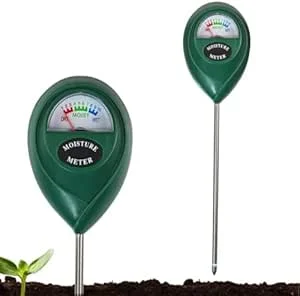 Soil moisture meterHelps check whether the root zone is actually ready for water.View on Amazon (paid link) ↗
 Digital hygrometerHelps track humidity and temperature around sensitive plants.View on Amazon (paid link) ↗Clip-on grow lightUseful for dim rooms, winter care, and plants stretching toward light.View on Amazon (paid link) ↗
As an Amazon Associate, HomePlantBot may earn from qualifying purchases.
Step-by-Step DIY Instructions
DIY Self-Watering Planter
Tools needed: drill, scissors
Materials required: empty plastic bottle or glass jar, cotton string, potting soil, small plant, waterproof container
- Cut plastic bottle in half. Invert the top into the base.
- Thread cotton string through the bottle neck. It will act as a wick.
- Fill the top with soil and plant, keeping the wick at the root level.
- Fill the bottom with water. The wick draws moisture up to keep your plant hydrated.
Tip: Works best for herbs, succulents, or small leafy plants.
Homemade Natural Leaf Shine
Supplies: 1 tsp coconut oil, 1 cup distilled water, clean cloth
- Mix coconut oil and distilled water in a small bowl.
- Dip cloth lightly and gently wipe each leaf to remove dust and add shine.
- Use once every few weeks. Avoid buildup on fuzzy leaves like African violets.
Upcycled Potting Bench from Pallets
You’ll need: power drill, screwdriver, sandpaper, optional wood paint
Materials: 2–3 reclaimed wood pallets, hooks, storage trays or containers
- Disassemble pallets and sand all surfaces to remove splinters.
- Construct frame for a working surface and shelves using drill and screws.
- Add trays for soil and hooks for tools.
- Paint or seal wood for weather resistance if keeping outdoors.
This is a great weekend project and adds functionality and style to plant care zones.
Macramé Plant Hanger (Beginner-Friendly)
Supplies: 8 pieces of 3mm cotton rope (2–3 feet long), scissors, metal or wooden ring
- Attach all 8 ropes to the ring using a Lark’s Head Knot.
- Divide ropes into groups of two. Begin basic square knots about 4 inches down from the ring.
- Continue knotting downward, switching rope groups every few inches to create a net pattern.
- Knot all strands together at the bottom to secure your pot.
Need more visuals? Explore our tutorials at Tools & Supplies DIY Guides.
Tips & Safety
- Tool safety: Keep blades sharp and always store shears and metal tools away from children and pets.
- Cleaning tools: Disinfect with alcohol between uses to prevent spreading disease or pests between plants.
- Watch fertilizer amounts: Over-fertilizing can “burn” roots—look for yellow leaves or salt buildup in the soil.
- Mold alert: When using recycled containers for DIYs, monitor for mold or mildew, especially in warm, humid conditions.
- Room location matters: Bathrooms and kitchens often have better humidity for tropical plants, while cacti/aloes love sunny windows.
Conclusion
With just a few quality tools and some creative spirit, you can master indoor gardening and enjoy happier, healthier houseplants. Whether you’re feeding your pothos, pruning your philodendron, or building a hanger for your hanging fern, there’s something so rewarding about growing something yourself.
Don’t hesitate to experiment and find what works best for your unique setup. Every home, plant, and plant parent is different.
Ready to dig deeper? Check out our complete collection of DIY projects, expert buying guides, and step-by-step instructions on our Tools & Supplies DIY Guides.
Have a creation to share? Post your plant station or favorite DIY and tag us with #PlantandThrive to join our growing community!
Keep growing, keep exploring—and let your leafy companions thrive! 🌿
Need help choosing the next care step?
If the symptoms in this article match your plant, use Plant Bot or the rescue checklist before buying anything. A quick diagnosis helps you fix the actual cause, not just the most visible symptom.
Quick decision checklist
- Check the growing conditions before changing everything.
- Adjust one care factor at a time.
- Use symptoms to guide the next step.
- Give the plant time to respond after corrections.