
HomePlantBot care guide
Philodendrons Verrucosum care
The Philodendron verrucosum is one of the most glamorous members of the aroid family, famed for its velvet-textured, deep green leaves with dramatic, contrasting veining. It’s a showstopper in terrariums, rare plant collections, or any indoor jungle that appreciates bold, tropical flair.
What you’ll learn in this article
- Ideal growing conditions for Philodendron verrucosum
- How to manage humidity, soil, and watering
- Tips for troubleshooting leaf yellowing, pests, and slow growth
- Simple steps for propagation and long-term health
Affiliate disclosure: HomePlantBot may earn from qualifying purchases through the Amazon links below, at no extra cost to you.
Introduction
Whether you’re a beginner plant parent or a seasoned plant crafter, caring for a verrucosum has a bit of a learning curve. But with the right information and attention to detail, these stunning climbers can truly thrive indoors.
This comprehensive care guide will walk you through everything you need to know about philodendrons verrucosum care, from light and water to propagation and pest control.
Meet the Philodendron Verrucosum
Botanical Origins
Native to the misty rainforests of Central and South America, the Philodendron verrucosum enjoys warm, shaded, and humid environments where it naturally climbs up trees and thrives under the forest canopy.
Key Features
- Foliage: Large, heart-shaped, velvety leaves with bold white or pink veining
- Underside Color: Often displays maroon to burgundy backsides
- Texture: Fine velvet sheen with a tactile softness
Growth Style
This species is a vining philodendron that benefits significantly from vertical supports like moss poles. Providing climbing support stimulates larger leaf growth and mimics its natural habitat.
Why It’s a Collector’s Favorite
Its striking visual contrast and unique velvet finish make it a centerpiece in any plant collection. Despite its sometimes finicky nature, its rare beauty is worth the extra care.
Philodendrons Verrucosum Care Requirements
Light
- Preferred: Bright, indirect light
- Avoid: Direct sunlight, which can scorch the delicate leaves
Ideal indoor settings include east- or north-facing windows or using sheer curtains to diffuse stronger sunlight. Under grow lights, verrucosums also perform extremely well when lit 10–12 hours daily.
Watering
Maintaining balanced moisture is key. These philodendrons dislike both soggy roots and bone-dry soil.
- Goal: Keep soil lightly moist, especially in spring and summer
- Test: Use your finger or a moisture meter to test the top 1–2 inches for dryness before watering
- Winter: Water less frequently, when soil is nearly dry
Humidity
Being a rainforest native, the verrucosum craves a humid environment:
- Target range: 60–80% humidity
- Tools: Use humidifiers, pebble trays, or place the plant inside a glass cabinet or terrarium
- Warning: Very low humidity can cause crispy edges and stunted growth
Temperature
Philodendron verrucosum prefers mild tropical temperatures:
| Temperature Range | 65–80°F (18–27°C) |
|---|---|
| Avoid | Cold drafts, A/C vents, sudden spikes or drops in temperature |
Soil
Choose a loose, well-draining, nutrient-rich potting mix. Aim to mimic its natural environment by using a gritty and porous combination.
- Recommended mix: orchid bark + perlite + peat moss (or coco coir) in equal ratios
- Option: Use commercial aroid soil blends, typically labeled for Monstera or Philodendron
Fertilization
- Frequency: Once a month during growing season (spring through summer)
- Type: Balanced liquid fertilizer, diluted to half strength
- Tip: Reduce or stop feeding in fall and winter when growth slows
Support
Philodendron verrucosum is a natural climber that thrives with vertical structure:
- Use a moss pole, bamboo stick, or trellis
- Benefits: Encourages larger leaves, prevents legginess, and supports aerial root development
Helpful products for this care problem
Helpful products for this plant care problem
If this is the issue you are solving, these tools can make the next step easier. They are optional, but they match the care problem covered in this article.
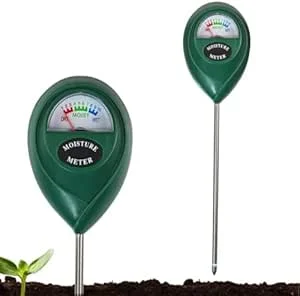 Soil moisture meterHelps check whether the root zone is actually ready for water.View on Amazon (paid link) ↗
 Digital hygrometerHelps track humidity and temperature around sensitive plants.View on Amazon (paid link) ↗Clip-on grow lightUseful for dim rooms, winter care, and plants stretching toward light.View on Amazon (paid link) ↗
As an Amazon Associate, HomePlantBot may earn from qualifying purchases.
Common Issues with Philodendron Verrucosum
Yellowing Leaves
Yellow foliage can signal stress but diagnosing the cause is key:
- Overwatering: Mushy stems, wet soil, and rot-like smell
- Underwatering: Crisping edges, very dry soil
- Nutrient deficiency: Pale leaves with inconsistent yellowing, often due to long-term lack of feeding
Pests
Like many aroids, verrucosum can be vulnerable to pests:
- Common insects: Spider mites, thrips, mealybugs, aphids
- Treatment: Neem oil or insecticidal soap weekly, or systemic treatments for larger infestations
Inspect leaf undersides regularly and isolate any infested plants immediately.
Root Rot
Often a result of inadequate drainage or overwatering:
- Detection: Black, mushy roots; foul-smelling soil; wilting despite moist soil
- Solution: Remove affected roots, repot in fresh dry soil, and reduce watering frequency
Leggy Growth or Small Leaves
Philodendron verrucosum will get sparse or produce tiny leaves if it lacks proper lighting or climbing support.
- Boost light with grow lamps
- Use poles to mimic natural tension needed for robust growth
Propagation: Grow More Verrucosum the Easy Way
Best Method: Stem Cuttings
Philodendron verrucosum is relatively easy to propagate using stem cuttings placed in water or sphagnum moss.
When to Propagate
- Ideal timing: Early spring to early summer
- Warmer months promote faster root development
Step-by-Step Propagation Guide
- Choose a healthy parent stem with at least one visible node and aerial root.
- Using a sanitized blade, cut the stem just below the node.
- Place cutting into:
- Clean water (change every 2–3 days)
- Moist sphagnum moss (cover with humidity dome or bag)
- Directly into chunky soil (less common but possible)
- Wait 3–6 weeks for roots to grow at least 2 inches.
- Transfer to potting mix when roots are robust enough.
Aftercare for Cuttings
- Keep humidity high (60–80%) and lighting bright but indirect
- Acclimate cuttings slowly to reduce transplant shock
Conclusion
Caring for a Philodendron verrucosum may be a commitment, but the plush velvet foliage and spectacular colors are more than worth the effort. With proper humidity, lighting, and a mindful watering routine, this climbing beauty will reward you with continuous growth and larger leaves year after year.
Don’t forget the essentials: regularly inspect for pests, support its vines as it grows, and give it the rainforest-inspired environment it loves most.
Ready to broaden your aroid horizons? Explore our full Philodendrons Care Playbook for more incredible vining and climbing varieties!
Have a verrucosum tip of your own? Drop your experiences and questions in the comments below—we love hearing from fellow enthusiasts!
Need help choosing the next care step?
If the symptoms in this article match your plant, use Plant Bot or the rescue checklist before buying anything. A quick diagnosis helps you fix the actual cause, not just the most visible symptom.
Quick decision checklist
- Check the growing conditions before changing everything.
- Adjust one care factor at a time.
- Use symptoms to guide the next step.
- Give the plant time to respond after corrections.