
HomePlantBot care guide
Indoor Trees & Large Statement Plants: The Complete Guide
Indoor trees and large statement plants are having a major moment in home and office décor. From spacious lofts to cozy home offices, these striking plants bring life, texture, and a sense of calm to almost any setting. Their bold forms and impressive sizes instantly anchor a room, acting as living sculptures that clean the air and boost your mood.
What you’ll learn in this article
- How to choose the right indoor tree for your space
- Tips for watering, lighting, and maintenance
- How to prevent common problems like leaf drop or tipping
- Insights into maximizing beauty and stability as your plant grows
Affiliate disclosure: HomePlantBot may earn from qualifying purchases through the Amazon links below, at no extra cost to you.
Introduction
For beginners, the idea of adopting a large plant may seem intimidating—but with the right care tips, they’re surprisingly manageable. In this complete guide, we’ll show you how to confidently choose, place, and maintain your perfect indoor tree.
Why Indoor Trees & Large Statement Plants Are Worth It
Large indoor plants don’t just fill space—they transform it. Here’s what makes them such excellent additions to your living or working environment:
- Design impact: Their vertical height draws the eye upward, adding balance and visual interest to rooms of all sizes.
- Air purification: Many indoor trees are known to improve air quality by filtering toxins and increasing oxygen flow.
- Mood boosting: Studies show that being near plants can reduce stress and promote mental clarity.
- Longevity: With proper care, these plants can thrive for years—making them a lasting investment in your space.
- Conversation starters: Their impressive size and beauty often attract compliments and interest from guests or clients.
Popular Indoor Trees and Their Growth Habits
Not all large plants are created equal—some demand bright sunlight and regular pruning, while others are low maintenance and shade tolerant. Begin your journey by choosing the right tree or plant based on your needs and the conditions in your space. For more options, check out our guide on Choosing Indoor Trees: Ficus, Schefflera, Dracaena & More.
| Plant | Growth Rate | Light Needs | Care Notes |
|---|---|---|---|
| Fiddle Leaf Fig (Ficus lyrata) | Moderate | Bright, indirect light | Dramatic foliage; sensitive to change |
| Rubber Tree (Ficus elastica) | Moderate to fast | Bright to filtered light | Adaptable and forgiving |
| Dracaena marginata | Slow | Medium to bright light | Minimal watering; great for beginners |
| Schefflera | Moderate | Bright, indirect light | Lush look, upright habit |
| Polyscias / Parlor Palm | Slow | Low to medium light | Ideal for darker rooms |
Space, Light, and Container Planning
Large plants can grow taller and wider than expected—so give yours room to stretch. Understanding your layout and available light will help your plant thrive.
Light Mapping Your Room
Different trees need different light intensities. Learn more in our guide on Siting Big Plants with Light Mapping & Room Layout.
- South- and west-facing windows typically provide the most consistent and direct light throughout the day.
- Keep your plant within 3–6 feet of the window for optimal exposure, avoiding direct drafts.
- Watch for shadows and light changes throughout the seasons; reposition accordingly.
Pot Selection and Placement
- Choose a pot that can support the plant’s mature root volume and weight.
- Use containers with drainage holes to prevent root rot.
- A rolling plant caddy or wheeled stand makes it easier to move large plants for cleaning or light adjustment.
Helpful products for this care problem
Helpful products for this plant care problem
If this is the issue you are solving, these tools can make the next step easier. They are optional, but they match the care problem covered in this article.
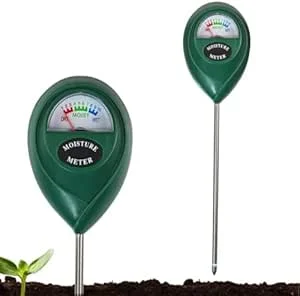 Soil moisture meterHelps check whether the root zone is actually ready for water.View on Amazon (paid link) ↗
 Digital hygrometerHelps track humidity and temperature around sensitive plants.View on Amazon (paid link) ↗Clip-on grow lightUseful for dim rooms, winter care, and plants stretching toward light.View on Amazon (paid link) ↗
As an Amazon Associate, HomePlantBot may earn from qualifying purchases.
Watering, Humidity & Feeding Essentials
A bigger canopy means more leaves to hydrate—but that doesn’t mean more frequent watering.
Watering Smart
- Use the lift test—feel the pot’s weight before and after watering to determine moisture levels.
- Stick your finger about 2 inches into the soil—if dry, it’s time to water.
- Always empty excess water from saucers after 15–20 minutes.
Humidity Hacks
Large-leafed trees often struggle near vents or radiators. Learn more in our guide on Watering & Humidity for Large Canopies.
Compare methods below:
| Method | Effectiveness | Best For |
|---|---|---|
| Misting | Short-term | Temporary boost or leaf cleaning |
| Pebble Trays | Moderate | Small-to-medium rooms |
| Humidifiers | High | Consistent moisture in dry climates |
Fertilizer Tips
- Apply a balanced houseplant fertilizer every 4–6 weeks during spring and summer growing seasons.
- Pause feeding in winter when plants go semi-dormant.
Routine Maintenance & Upkeep
Pruning and Shaping
To manage height and encourage bushier form, occasional trimming is essential. Read our guide on Pruning for Height Control in Indoor Trees.
- Snip above leaf nodes to direct new growth.
- Remove dead or yellowing leaves regularly.
Other Care Habits
- Wipe dust off large leaves with a damp microfiber cloth monthly.
- Rotate the pot 90 degrees every few weeks for even sunlight and balanced growth.
- Use a checklist to monitor leaf health, soil moisture, and pest signs regularly.
Repotting and Plant Stability
Large plants eventually need room to grow. Make sure pot upgrades happen early to avoid stress.
Signs You Need to Repot
- Roots are circling the pot or growing out of drainage holes.
- Soil dries out too quickly despite correct watering.
When you’re ready, follow our guide on Repotting Large Plants: Pot Size, Weight & Stability.
Preventing Tip-Over
Top-heavy trees can tip, especially in high-traffic areas. Read more at Preventing Tip-Over: Staking & Anchoring Methods.
- Use stakes or supports in taller pots
- Anchor pots discreetly to nearby walls
- Place heavy river stones or bricks at the base for added weight
Addressing Common Issues
Even seasoned plant parents encounter problems. Use the chart below to troubleshoot common issues.
| Issue | Possible Cause | Action |
|---|---|---|
| Yellowing leaves | Overwatering or poor drainage | Check soil moisture, repot if needed |
| Leaf drop | Acclimation shock or drafts | Move away from vents and allow adjustment time |
| Spider mites | Low humidity, dry air | Mist regularly, apply neem oil or insecticidal soap |
Learn more about acclimation and stress signs in our Common Issues Guide.
Conclusion: Your Next Steps Toward Growing a Statement Indoor Tree
Your plant’s success depends largely on the conditions you create from the start. An ideal location, the right container, and sound watering habits do 80% of the work—then it’s a matter of steady, enjoyable care.
Don’t worry if you start with a small-sized tree—many of the most iconic indoor giants began their lives in 6-inch pots! Track your tree’s growth, and set calendar reminders for care tasks like pruning, rotating, and feeding.
Ready to turn your space into a lush sanctuary? Explore our step-by-step guides on choosing, siting, potting, and maintaining your new indoor tree.
Need help choosing the next care step?
If the symptoms in this article match your plant, use Plant Bot or the rescue checklist before buying anything. A quick diagnosis helps you fix the actual cause, not just the most visible symptom.
Quick decision checklist
- Check the growing conditions before changing everything.
- Adjust one care factor at a time.
- Use symptoms to guide the next step.
- Give the plant time to respond after corrections.