
HomePlantBot care guide
Monstera Potting mix recipe
Monstera, with its iconic split leaves and tropical charm, has become a favorite among indoor plant lovers. Native to Central and South America, this eye-catching houseplant brings lush, jungle vibes into any space.
What you’ll learn in this article
- Why choosing the right potting mix is crucial for Monstera health
- The essential ingredients and proportions in a DIY monstera potting mix recipe
- How to mix, test, and store your homemade soil blend
- Customizing soil for different Monstera types
- Step-by-step repotting guidance using your mix
- Troubleshooting common soil-related issues
Affiliate disclosure: HomePlantBot may earn from qualifying purchases through the Amazon links below, at no extra cost to you.
Introduction
However, its beauty and growth potential largely depend on an often-overlooked factor: soil. Using the right monstera potting mix recipe helps mimic the plant’s natural environment and ensures proper root development and overall health.
For a full care overview, including lighting and watering strategies, check out our Monstera Care Blueprint: Light, Water, Soil.
The Importance of the Right Soil Mix
In the wild, Monsteras thrive in loose, nutrient-rich substrates found on the floors of rainforests. These soils drain easily, stay oxygenated, and support the expansive aerial roots the plant uses to climb and spread.
Unfortunately, most commercial potting soils are too dense and retain water—conditions that hinder healthy root function and invite disease. Signs your monstera may be suffering from poor soil include:
- Yellowing or wilting leaves
- Persistent sogginess or foul-smelling roots (root rot)
- Stunted growth or poor new leaf development
A custom mix gives you full control over texture, drainage, and nutrients—enhancing your Monstera’s resilience and performance.
Key Ingredients and Proportions
An ideal mix should replicate rainforest soil: chunky, fast-draining, and moisture-balanced. Here is a breakdown of the components for a healthy monstera potting mix:
| Ingredient | Proportion | Purpose |
|---|---|---|
| Organic Potting Soil | 40% | Provides base structure and nutrients |
| Perlite or Pumice | 20% | Improves drainage and aeration |
| Orchid Bark or Pine Bark Fines | 20% | Adds chunkiness; emulates natural forest floor |
| Coco Coir or Peat Moss | 10% | Enhances moisture retention |
| Activated Charcoal (optional) | 5–10% | Promotes root health and controls odor |
| Worm Castings or Compost (optional) | up to 5% | Adds organic nutrients |
Tip: Always avoid moisture-retentive mixes that contain heavy clay or large amounts of peat. These can lead to root suffocation over time.
Mixing and Preparing the Medium
Before potting, gather the necessary tools:
- Sturdy gloves
- Garden trowel or scoop
- Large mixing container or bucket
Step-by-Step Mixing Instructions
- Measure out ingredients by volume using scoops or containers.
- Start with the potting soil as your base, then add perlite and bark.
- Add moisture components (coir or peat) and optional charcoal and worm castings.
- Combine thoroughly until the texture is light, chunky, and evenly blended.
Testing Your Soil Mix
- Squeeze test: Dampen a handful of mix and squeeze. It should hold together slightly but fall apart easily when poked.
- Drainage test: Place mix in a pot with drainage holes, water thoroughly, and check that water flows out quickly.
Storage Tips
Keep excess soil mix in a tightly sealed bin or bag. Store it in a dry, cool location to prevent mold or pest infestation.
Helpful products for this care problem
Helpful products for soil and repotting
If this is the issue you are solving, these tools can make the next step easier. They are optional, but they match the care problem covered in this article.
 Indoor potting mixA useful base when refreshing compacted or tired soil.View on Amazon (paid link) ↗Repotting matKeeps indoor repotting and root checks cleaner.View on Amazon (paid link) ↗
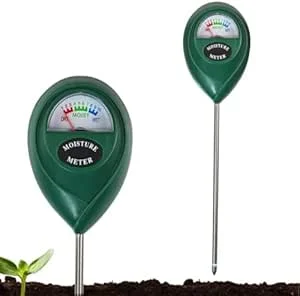 Soil moisture meterHelps check whether the root zone is actually ready for water.View on Amazon (paid link) ↗
As an Amazon Associate, HomePlantBot may earn from qualifying purchases.
Adjustments for Specific Monstera Varieties
Different types of Monstera may require slight tweaks to the standard mix:
Monstera deliciosa
Thrives in the standard mix above. Consider adding a bit more bark (up to 25%) to accommodate its large roots.
Monstera adansonii
This vining variety enjoys slightly more moisture. Increase coco coir to 15% and reduce perlite to 15% to balance retention and drainage.
Monstera dubia and Shingling Types
These varieties often grow on moss poles or mounts. Use higher moss or coir content (up to 20%) to support climbing habits and smaller root zones.
Variegated Varieties
These are more sensitive to root issues. Use charcoal and worm castings to improve root resilience and provide gentle nutrition without burning delicate roots.
Repotting Using the Mix
When to Repot
Repot if you notice:
- Roots circling the base or pushing through drainage holes
- Slow growth despite optimal care
- Soil that dries out too quickly or stays excessively wet
Repotting Steps
- Water your monstera a day before to hydrate the roots.
- Gently loosen the plant from its current pot, supporting the root ball.
- Inspect the roots for rot or tangles. Prune as needed using sterilized scissors.
- Place a layer of fresh soil mix in the new pot, position the plant, then backfill around it.
- Tamp lightly and water thoroughly.
Post-Repotting Care
- Light: Keep in bright, indirect light.
- Water: Hold off watering for 5–7 days to allow root healing.
- Support: Anchor using a moss pole or stake if needed.
Troubleshooting Soil Issues
If you’re noticing problems, the soil may be to blame. Here’s how to identify and fix common issues:
| Symptom | Likely Cause | Solution |
|---|---|---|
| Root Rot | Soil retains too much water | Add more perlite or reduce moss content |
| Drooping After Watering | Poor drainage or compacted mix | Fluff mix with bark or pumice |
| Mold on Soil Surface | Overwatering or poor air circulation | Top with dry orchid bark; avoid misting the soil |
When to Replace the Mix
- If soil becomes compacted or sour-smelling
- Every 12–18 months as organic materials break down
- Following any pest or fungus outbreak
Conclusion
A tailored monstera potting mix recipe is one of the most impactful ways to support your plant’s long-term success. With the right blend of structure, drainage, and moisture control, your Monstera will reward you with vibrant foliage and strong root development.
Don’t be afraid to experiment—observe how your plant responds and make gentle adjustments. Each Monstera is unique, and adjusting your mix helps dial in the optimal growing environment.
For more Monstera wisdom, explore our Monstera Care Blueprint: Light, Water, Soil.
Have your own recipe or success story? Share it in the comments – we’d love to hear what works for you!
Need help choosing the next care step?
If the symptoms in this article match your plant, use Plant Bot or the rescue checklist before buying anything. A quick diagnosis helps you fix the actual cause, not just the most visible symptom.
Quick decision checklist
- Refresh compacted mix before roots decline.
- Choose a pot size that matches the root ball.
- Check moisture deeper than the surface.
- Stabilize the plant after repotting before fertilizing.