
HomePlantBot care guide
Inspecting New Plants for Pests Before Bringing Them Inside
Bringing home a new houseplant is exciting—but it’s also the first and most important opportunity to protect your indoor garden from unwanted guests. Even vibrant, healthy-looking plants can harbor hidden pests or diseases that aren’t immediately visible to the naked eye.
What you’ll learn in this article
- Why inspecting new plants for pests before bringing them inside is essential for protecting your indoor garden
- Step-by-step checklist for identifying common pests and early signs of plant disease
- Tools you’ll need and how to use them effectively
- Actionable tips on treating or discarding infested plants
- How to quarantine and clean new plants for long-term plant health
Affiliate disclosure: HomePlantBot may earn from qualifying purchases through the Amazon links below, at no extra cost to you.
Why Pest Inspection Matters Before Bringing Plants Indoors
Pests like spider mites, mealybugs, and fungus gnats can go unnoticed during a quick store visit but may soon spread to your other houseplants if not caught early. Prevention is infinitely easier (and cheaper) than dealing with a full-blown infestation later on.
This is why identifying any issues before bringing a new plant indoors is vital to good plant care. Pair this inspection process with proper quarantine practices for new plants, and you’ll greatly reduce the risk of contaminating your home environment.
Creating a Pest Inspection Checklist for New Plants
Preparing for a proper inspection doesn’t require fancy equipment—just a few key items and a careful eye. Here’s what you’ll need to get started:
- White paper or cloth (to spot falling pests)
- Hand lens or magnifying glass
- Gloves
- Mild soap or neem oil spray
When and Where to Inspect
- When: Ideally before purchasing at the store or immediately after bringing the plant home.
- Where: Perform your inspection outside or in a separate room away from other houseplants.
Pest Inspection Checklist
- Visually inspect the tops and undersides of leaves for insects or discoloration.
- Examine stems, leaf joints, and petioles for clusters, webbing, or sticky residues.
- Check the soil surface and gently probe the root zone for signs of bugs or larvae.
- Note signs of plant stress like curling, yellowing, or wilting leaves.
Common Pests to Watch For
Identifying common houseplant pests is key to early treatment. Here are some frequent offenders and how to spot them:
| Pest | Where to Look | What to Look For |
|---|---|---|
| Spider mites | Underside of leaves, stems | Fine webbing, stippled or faded spots on leaves |
| Aphids | Leaf undersides, stem tips | Small green/black insects, sticky residue |
| Mealybugs | Leaf joints, crevices | Cotton-like clusters, white or gray fuzz |
| Scale insects | Stems, leaf undersides | Small brown or tan bumps—hard to the touch |
| Fungus gnats | Soil surface, flying near plant | Small black flies, especially after watering |
| Whiteflies | Undersides of leaves | Tiny white insects that fly when disturbed |
Checklist Tip: Not sure what you’re seeing? A quick image search like “mealybugs on houseplant” can help confirm with visual comparisons.
Examining All Parts of the Plant Thoroughly
Pests love hiding in hard-to-see areas. Don’t rush—inspect every part of the plant:
- Leaves (top and bottom): Use your fingers to gently lift and turn over each leaf.
- Stems and joints: Look for clusters in crevices and signs of buildup.
- Soil and drainage holes: Lightly disturb the soil surface to spot larvae or insects moving about.
- Pots and trays: Don’t forget to check under pots and in saucers for stagnant pest activity.
Helpful products for this care problem
Helpful products for active pest control
If this is the issue you are solving, these tools can make the next step easier. They are optional, but they match the care problem covered in this article.
 Insecticidal soapA gentle first-line pest treatment for many houseplants.View on Amazon (paid link) ↗Neem oil sprayHelpful for repeated pest follow-up after cleaning leaves.View on Amazon (paid link) ↗
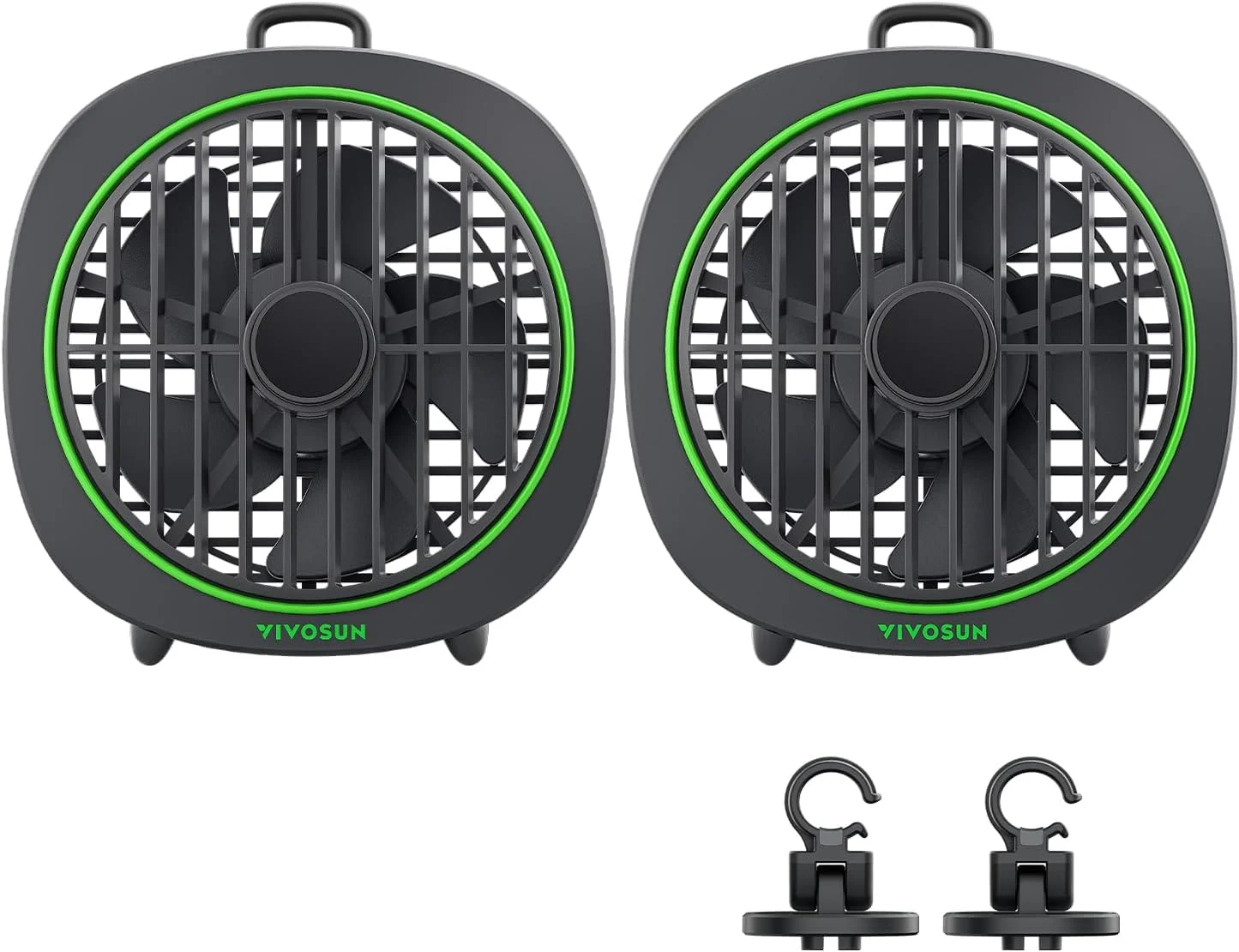 Clip fanAdds gentle airflow around humid or crowded plant shelves.View on Amazon (paid link) ↗
As an Amazon Associate, HomePlantBot may earn from qualifying purchases.
Using Magnification Tools to Spot Eggs, Webbing, or Insects
Many pests and their egg clusters are too small to spot with the naked eye. A simple hand lens or macro phone lens can help bring these into focus.
- Use your magnifying tool to look for tiny insect eggs tucked under leaves or along stems.
- Inspect for fine silk webbing, especially in the leaf axils and joint areas.
- Check for subtle discoloration or stippling caused by pests feeding on foliage.
Early detection under magnification can make a big difference in both control and recovery.
Recognizing Signs of Plant Disease
Not all threats are insects. Fungal and bacterial diseases can quietly compromise a new plant’s health before any leaves drop.
- Leaf spots: Irregular yellow, black, or brown patches may indicate infection.
- Powdery mildew: A white, dusty coating on leaves spread by fungal spores.
- Honeydew or sticky residue: Often left behind by sap-sucking pests and can lead to sooty mold.
Spotting these early prevents diseases from spreading to your healthy plants later.
Treating or Discarding Infested Plants
If your inspection reveals unwelcome pests, don’t panic—but do act quickly.
Step One: Isolate
Place the plant in quarantine, ideally for 7–14 days, in a separate room or far from other greenery. Continue monitoring daily.
Try These Non-Chemical Treatments
- Hand removal: Use gloves and a damp cloth or cotton swab to gently remove visible pests.
- Soapy water: Mix a few drops of mild dish soap with water and spray generously on affected areas.
- Neem oil: A natural insecticide and fungicide—use as directed and avoid direct sunlight afterward.
Severe Infestations
Sometimes pests are so deeply rooted that salvaging the plant isn’t worth the risk. In those cases, it may be best to discard the plant and thoroughly clean any nearby surfaces or tools.
For a detailed approach to handling new plant arrivals safely, read our complete guide on onboarding new plants.
Cleaning Leaves and Rinsing Plants as a Precaution
Even if no pests are found, a gentle rinse can go a long way in preventing problems and improving appearance.
- Rinse under lukewarm water: This helps remove dust, eggs, and any surface contaminants.
- Wipe leaves: Use a clean, soft cloth to gently wipe each leaf, allowing you to inspect while cleaning.
- Re-potting tip: If you suspect any soil-borne infestation or see lingering gnats, replace the soil with fresh potting mix.
Conclusion: Keep Your Indoor Garden Pest‑Free
Spending just 10 minutes inspecting your new plant can spare you hours of treatment and months of frustration. The practice not only safeguards your current plant family but helps you sharpen your observation skills over time.
Even after cleaning and treating, isolate your new plant for at least a week or two before introducing it into the rest of your home. These preventative habits create the healthiest environment for your entire indoor garden to thrive.
Pro tip: Bookmark this guide or print it out to keep handy whenever you bring home a new green friend!
Need help choosing the next care step?
If the symptoms in this article match your plant, use Plant Bot or the rescue checklist before buying anything. A quick diagnosis helps you fix the actual cause, not just the most visible symptom.
Quick decision checklist
- Inspect the undersides of leaves before treating.
- Repeat treatments on a schedule instead of once.
- Improve airflow so damp foliage does not stay wet.
- Isolate the plant until the issue is controlled.