
HomePlantBot care guide
Best Grow Lights for Indoor Plants
Indoor plants brighten spaces, improve air quality, and uplift moods—but they can’t thrive without enough light. This is where grow lights come in. Whether you’re growing herbs for your kitchen, managing plants in your café, or just keeping your houseplants vibrant through the winter months, grow lights can make a substantial difference.
What you’ll learn in this article
- How to determine if your indoor plants need grow lights
- The science behind light spectrums and plant growth
- Pros and cons of LED vs. fluorescent grow lights
- How to choose the right grow light for various plant types
- Installation and care tips for long-lasting efficiency
Affiliate disclosure: HomePlantBot may earn from qualifying purchases through the Amazon links below, at no extra cost to you.
Introduction
This guide explores everything you need to know about the best grow lights for indoor plants, including:
- When to introduce grow lights
- Understanding light spectrum and intensity
- Types of grow lights and their pros/cons
- Matching lights with plant types
- Creative setup and maintenance strategies
Need tools and supplies for your lighting setup? Check out our comprehensive list of DIY indoor gardening tools and supplies.
When to Use Grow Lights
Signs Your Plants Aren’t Getting Enough Light
- Leggy stems: Long, weak stems reaching for light
- Yellowing leaves: Especially older, lower ones
- Stunted growth: New leaves take longer to appear or stop forming entirely
Common Scenarios Where Grow Lights Help
- Winter Months: Shorter days and lower light angles reduce brightness indoors
- Windowless Spaces: Offices, basements, or shops without adequate lighting
- Urban Homes: Apartments with limited natural sunlight exposure
Creative Tip
Use full-spectrum grow lights to propagate rare plants all year—perfect for plant hobbyists building their own collections.
Looking to get started? Our DIY tools page includes beginner bulb kits and timers.
Understanding Light Spectrum & Intensity
Types of Light Spectrum Plants Need
- Blue Light: Encourages leafy growth and is ideal for the vegetative stage
- Red Light: Promotes flowering and fruiting
- Full-Spectrum Light: Simulates natural sunlight, making it ideal for all growth phases
Light Intensity: Lumens vs. PAR
- Lumens: How bright the light appears to the human eye
- PAR (Photosynthetically Active Radiation): Measures light usable by plants for photosynthesis
Matching Spectrum with Plant Life Cycle
Seedlings thrive under blue light, while flowering plants need more red. Full-spectrum lighting provides balance for mixed or mature arrangements.
Creative Tip
Combine different spectrum bulbs on adjustable tracks to mimic seasonal changes indoors, giving plants the cues they need year-round.
Types of Grow Lights: LED vs. Fluorescent
LED Grow Lights
- Low energy consumption and high efficiency
- Long lifespan—up to 50,000 hours in many models
- Available with tunable spectrums for specific plant needs
- Average setup cost for small grow zone: $50–$100
Fluorescent Grow Lights
- Budget-friendly and easy to find
- T5 Tubes: Slim, powerful, best for seedlings
- CFL Bulbs: Great for single plants and tight spots
- Popular among beginner growers and DIY hobbyists
Comparison Table
| Feature | LED Grow Lights | Fluorescent Grow Lights |
|---|---|---|
| Energy Efficiency | High | Moderate |
| Initial Cost | Higher | Lower |
| Lifespan | 50,000+ hrs | 10,000–20,000 hrs |
| Adjustable Spectrum | Yes | No |
| Best For | Mature plants, long-term use | Seedlings, hobby growing |
Avoid Incandescent Bulbs
Incandescent bulbs emit too much heat and not enough useful light for plants. They’re inefficient and should be avoided.
Helpful products for this care problem
Helpful products for better indoor light
If this is the issue you are solving, these tools can make the next step easier. They are optional, but they match the care problem covered in this article.
 Clip-on grow lightUseful for dim rooms, winter care, and plants stretching toward light.View on Amazon (paid link) ↗Digital hygrometerHelps track humidity and temperature around sensitive plants.View on Amazon (paid link) ↗
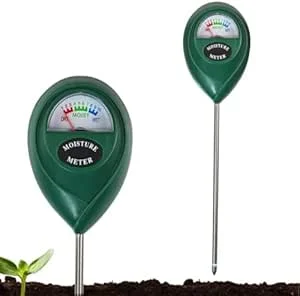 Soil moisture meterHelps check whether the root zone is actually ready for water.View on Amazon (paid link) ↗
As an Amazon Associate, HomePlantBot may earn from qualifying purchases.
Selecting Grow Lights Based on Plant Type
- Leafy Green Herbs (Basil, Mint): Balanced blue/red spectrum, medium intensity
- Succulents and Cacti: High-intensity light, lower red requirements
- Flowering Plants (Orchids, African Violets): Red-heavy lighting during blooming stages
- Tropical Houseplants (Monsteras, Pothos): Full-spectrum lights with moderate brightness
Light Distance and Timing Tips
- Keep lights 6″–12″ from foliage for most LEDs
- Light cycles: 12–16 hours/day for sun-loving plants, 8–12 for shade species
Creative Tip
Use a visual light meter to fine-tune intensity—many are available on our tools and supplies page.
Setup Tips & Maintenance
Plan Your Grow Space
- Identify sunlight-deficient areas like desktops or walls
- Use shelving or hanging fixtures for vertical efficiency
Positioning Essentials
- Adjust light height as your plant grows
- Rotate plants weekly to ensure even exposure
Using Light Timers
Automating your lights promotes consistency. Set timers for 12–14 hours/day depending on plant needs.
Maintenance Tips
- Wipe dust off bulbs monthly
- Replace fluorescent bulbs every 1–2 years
- Track electricity usage for shared spaces or business deductions
Creative Tip
Try wall-mounted track lights or plant shelves with integrated LEDs for stylish, space-saving designs.
Browse our DIY tools section for brackets, timers, light meters, and vertical shelving units.
How to Build an Indoor Grow Light Workflow in Make.com
Use Make.com to automate your indoor gardening alerts and care routines. Here’s how:
- Trigger: Use a “Google Calendar” event labeled “Water + Light Check” once a week
- Module 1 (Router): Split path for lighting and watering tasks
- Module 2 (Lighting path): Connect to a smart plug via “Webhook” to toggle grow lights on/off
- Module 3 (Water path): Send an SMS reminder using the “Twilio” or “SMS by Zapier” integration
- Module 4 (Logging): Save timestamp to a Google Sheet for tracking care patterns
This setup helps ensure consistency in your plant care routine—even if you’re managing a busy schedule or multiple locations.
Conclusion
With the proper lighting, any room can bloom into a lush sanctuary. Understanding each plant’s needs and pairing it with the right type of grow light can dramatically improve your growth success.
Don’t be afraid to experiment with placement, timing, and different light spectrums based on your goals—whether lush interior decor, a mini herb harvest, or rare plant propagation.
Ready to equip your grow space? Explore our full catalog of DIY indoor gardening guides and tools.
Optional Extras
- Download our free grow light spectrum chart (PDF)
- Sign up for weekly indoor gardening tips
- Join the conversation: Which grow lights worked best for you in your space?
Need help choosing the next care step?
If the symptoms in this article match your plant, use Plant Bot or the rescue checklist before buying anything. A quick diagnosis helps you fix the actual cause, not just the most visible symptom.
Quick decision checklist
- Increase light gradually to avoid scorch.
- Rotate the plant for even growth.
- Water less in lower light.
- Watch color and leaf posture for feedback.