
HomePlantBot care guide
Mealybugs & Scale Insects
Separate the plant and inspect with magnification.
What should you do before spraying for scale or mealybugs?
Separate the plant and inspect with magnification. Note whether you see cottony insects, soft scale or armored scale; treatment needs differ. Remove visible insects where practical and use only a labeled treatment, rather than a homemade detergent or alcohol spray.
Affiliate disclosure: HomePlantBot may earn from qualifying purchases through the Amazon links below, at no extra cost to you.
Mealybugs & Scale Insects: A Practical Guide to Identifying, Preventing, and Treating These Pests
- How to spot mealybugs and scale insects before they spread
- Simple habits to prevent infestations from taking hold
- Effective treatment methods—both natural and chemical
Introduction
Mealybugs and scale insects are two of the most common pests that trouble gardeners, plant enthusiasts, and horticultural businesses. These sap-sucking insects silently damage plants by feeding on their tissues, leaving behind sticky residue and paving the way for fungal infections. While small in size, their impact can be substantial, reducing plant health, appearance, and even commercial value.
Why is this important? Whether you manage a busy plant nursery, operate a greenhouse, or care for a collection of houseplants at home, a pest infestation can lead to lost revenue, reputation issues, or dead plants. Acting fast and adopting proper prevention techniques saves time, money, and your plants.
This guide offers a practical approach to dealing with mealybugs and scale insects. You’ll learn how to identify the pests early, keep them from establishing themselves, and treat infestations using natural remedies or chemical options when necessary.
Causes & Symptoms
Common Causes
- Overwatering or poor air circulation: Humid, stagnant conditions help these pests thrive.
- Lack of natural predators: Especially common in indoor setups, where beneficial insects aren’t present.
- Introducing new, unquarantined plants: A common way infestations spread from plant to plant.
- Stressed or unhealthy plants: Weaker plants are more vulnerable to pest invasions.
Identifying Mealybugs
Mealybugs are soft-bodied insects covered in a white, cottony wax. They often cluster where leaves meet stems and can be hard to spot at first glance.
- Appearance: White, fluffy, cotton-like masses
- Behavior: Slow-moving, feed on plant sap, and excrete sticky honeydew
- Signs: Yellowing leaves, leaf drop, and a general weakening of plant health
Identifying Scale Insects
Scale insects attach themselves tightly to plant stems or leaf undersides. Unlike mealybugs, they’re immobile once settled.
| Type | Appearance | Key Traits |
|---|---|---|
| Soft Scale | Rounded, waxy or soft coverings | Produces honeydew; more vulnerable to treatments |
| Armored Scale | Hard, shell-like coverings | Doesn’t produce honeydew; harder to treat |
Scale insects cause damage similar to mealybugs. Look for yellowing leaves, a sticky coating on foliage, and signs of mold growth due to the sugary honeydew they excrete.
When to Check
- During routine watering, pruning, or cleaning
- Before bringing new plants into your home or business
- If you see ants crawling on your plants (they’re often attracted to the honeydew)
Helpful products for this care problem
Helpful products for this plant care problem
If this is the issue you are solving, these tools can make the next step easier. They are optional, but they match the care problem covered in this article.
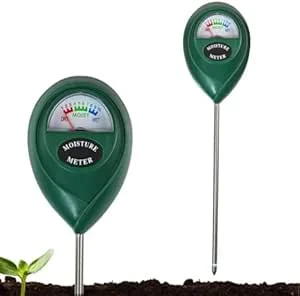 Soil moisture meterHelps check whether the root zone is actually ready for water.View on Amazon (paid link) ↗
 Digital hygrometerHelps track humidity and temperature around sensitive plants.View on Amazon (paid link) ↗Clip-on grow lightUseful for dim rooms, winter care, and plants stretching toward light.View on Amazon (paid link) ↗
As an Amazon Associate, HomePlantBot may earn from qualifying purchases.
Prevention Tips
- Inspect all new plants before bringing them into your space. Check stems, soil, and undersides of leaves.
- Quarantine new additions while repeatedly inspecting; a fixed one- or two-week period does not prove a plant pest-free.
- Promote airflow and light—ventilate closed spaces and avoid crowding plants together.
- Moderate fertilizer use. Too much nitrogen encourages lush growth that pests love.
- Monitor honeydew and ants. Their presence often indicates hidden infestations.
- Add natural predators, like ladybugs or lacewings, in outdoor or greenhouse setups.
Treatment Methods
Natural / DIY Options
-
Manual Removal
For light infestations, use a cotton swab dipped in isopropyl alcohol to dab mealybugs or scale insects. For hard-to-reach areas, rinse plants with water or spray using a hose nozzle to dislodge pests. -
Neem Oil or Insecticidal Soap
Effective against both mealybugs and soft scale insects. Match the product to the identified pest and plant; follow its coverage, sensitivity and repeat-application directions. -
Homemade Mixes
Do not broadcast a guessed alcohol or dish-detergent mixture over foliage. Spot removal of individual insects differs from whole-plant pesticide use; choose a labeled product for any spray application.
Biological Controls
In outdoor gardens or greenhouses, beneficial predators can help restore natural balance.
- Ladybugs: Feed on mealybugs and soft scale crawlers
- Green lacewings: Voracious larvae consume many soft-bodied pests
- Parasitic wasps: Lay eggs inside scale insects, stopping their life cycle
Chemical Treatments (For Severe Infestations)
When natural remedies fail, systemic insecticides may be required. These products are absorbed by the plant and kill pests as they feed on it.
- Follow instructions carefully—improper use can damage plants or harm beneficial insects.
- Application route, concentration and restrictions come from the exact product label; not every systemic is a soil drench.
- Isolate the plant to avoid spreading pests or chemicals to others.
- Label treated plants to avoid treating them multiple times.
For more information on common plant pests and how to troubleshoot them, visit our page on pests and diseases troubleshooting.
Conclusion
Spotting and eliminating infestations early is the most effective way to protect your plants from mealybugs and scale insects. Make it a habit to inspect plants regularly, isolate new arrivals, and act swiftly if signs of pests appear.
Whether you’re a casual houseplant lover or a plant-centered business operator, prevention and monitoring are key. Treating pests doesn’t have to be complicated—but consistency is crucial. Over time, these proactive habits will help you maintain healthier, more resilient plant collections.
Pro tip: Keep a plant care log to track pest sightings, treatment efforts, and outcomes. This is especially helpful in professional environments to standardize care across teams.
Have you dealt with mealybugs or scale before? Share your go-to remedies or success stories in the comments below.
Need help choosing the next care step?
If the symptoms in this article match your plant, use Plant Bot or the rescue checklist before buying anything. A quick diagnosis helps you fix the actual cause, not just the most visible symptom.
Quick decision checklist
- Check the growing conditions before changing everything.
- Adjust one care factor at a time.
- Use symptoms to guide the next step.
- Give the plant time to respond after corrections.
Sources and limits for this update
These references support the specific corrections and observations above. They do not validate every legacy numeric range or guarantee a plant’s recovery.