
HomePlantBot care guide
Light & Potting Mix for Indoor Herbs
Growing herbs indoors is one of the simplest ways to bring freshness into your home. Whether you’re adding basil to a tomato salad or mint to a cup of tea, nothing compares to the flavor of freshly picked herbs. Indoor herb gardens require minimal space—just a sunny windowsill or countertop—but they do need specific care to flourish year-round.
What you’ll learn in this article
- Understand the importance of sunlight and potting mix for healthy herbs
- Learn how to measure light and position herbs for optimal exposure
- Find out how to choose and mix the best soil for container herbs
- Discover when to use grow lights and supplemental nourishment
- Gain tips for successful planting, repotting, and ongoing herb care
Affiliate disclosure: HomePlantBot may earn from qualifying purchases through the Amazon links below, at no extra cost to you.
Introduction: The Joy of Growing Indoor Herbs
Two of the most important factors for indoor herb success are light and potting mix. Without proper light exposure and the right soil structure, herbs can struggle to grow or produce flavorful leaves.
This guide walks beginners through how to understand and provide the correct lighting conditions, select the right window or grow light setup, and create a soil environment rich in nutrients and good drainage. Ready to start your countertop garden?
Explore more edible indoor gardening ideas here.
Measuring and Meeting the Light Needs of Indoor Herbs
Light fuels photosynthesis and powers healthy growth. Herbs grown for culinary use also reward exposure to adequate light with more intense flavor and aroma. Without it, herbs can become leggy or lose their vibrant green color.
How to Measure Light Levels
- Light meter apps: Use a smartphone app (like Lux Light Meter or Plant Light Meter) to check lux levels at various window spots.
- Hand-shadow test: Hold your hand 12 inches above the surface. A crisp shadow signals bright light; a fuzzy one means medium light; no shadow means low light.
Recommended Daily Light for Common Herbs
| Herb | Light Requirement | Minimum Hours of Light/Day |
|---|---|---|
| Basil | Full sun | 6–8 hours |
| Parsley | Partial sun | 4–6 hours |
| Rosemary | Full sun | 6–8 hours |
| Mint | Partial sun/shade | 3–5 hours |
Signs Your Herbs Need More or Less Light
- Too little light: Long, spindly stems (called legginess), pale or yellowing leaves, slow growth
- Too much light: Crispy edges, bleached patches, or wilting in the midday sun
Choosing Windows Facing Different Directions and Adjusting Accordingly
The direction your windows face determines how much light your herbs receive. Here’s how to match herbs to window types:
Window Orientation Guide
| Window Direction | Light Conditions | Best Herbs |
|---|---|---|
| South-facing | Brightest, all-day light | Basil, thyme, rosemary |
| East-facing | Soft morning sun | Parsley, cilantro |
| West-facing | Hot afternoon sun | Oregano, sage |
| North-facing | Low indirect light | Mint, chives (with grow lights) |
Light Control Tips
- Rotate pots weekly to encourage even growth.
- Use reflective trays or mirrored foil to bounce light back onto herbs.
- Hang sheer curtains to diffuse harsh light in west-facing windows.
Employing Grow Lights When Natural Light Is Insufficient
If your kitchen or living area lacks robust sunlight—or it’s the middle of winter—supplementing with grow lights becomes essential.
Types of Grow Lights
- LED grow lights: Energy-efficient, low-heat, long-lasting (great for beginners)
- Fluorescent (T5 or CFL): Affordable and easy to find, though they generate more heat
- Full-spectrum bulbs: Mimic natural daylight and encourage healthy growth
Grow Light Placement & Timing
- Mount lights 6–12 inches above the herb tops.
- Run for 12–14 hours per day (use a timer for consistency).
Beginner Setups
| Grow Light Option | Pros | Cons |
|---|---|---|
| Clamp desk light with LED bulb | Affordable, flexible setup | Limited coverage area |
| Light panel or bar | Wider, even coverage for multiple pots | May require shelving space |
| Grow light kits/systems | All-in-one solution, includes timers and reflectors | Higher upfront cost |
Mixing a Suitable Potting Medium With Drainage and Nutrients
Outdoor garden soil becomes compacted in containers and can introduce pests. Instead, a proper potting mix provides lightness, drainage, and balanced moisture.
Key Potting Mix Components
- Coconut coir or peat moss: Retains moisture while remaining light and breathable
- Perlite or coarse sand: Prevents soggy roots by aiding drainage
- Compost or worm castings: Supplies gentle, organic nutrients
DIY Potting Mix Recipe
- 2 parts coconut coir or peat moss
- 1 part perlite
- 1 part compost or worm castings
Helpful products for this care problem
Helpful products for soil and repotting
If this is the issue you are solving, these tools can make the next step easier. They are optional, but they match the care problem covered in this article.
 Indoor potting mixA useful base when refreshing compacted or tired soil.View on Amazon (paid link) ↗Repotting matKeeps indoor repotting and root checks cleaner.View on Amazon (paid link) ↗
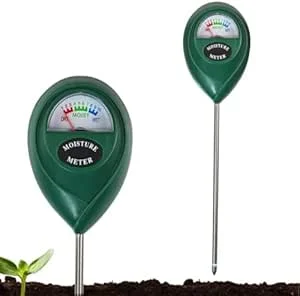 Soil moisture meterHelps check whether the root zone is actually ready for water.View on Amazon (paid link) ↗
As an Amazon Associate, HomePlantBot may earn from qualifying purchases.
Selecting Pot Sizes and Depths Based on Root Systems
Choosing the right container size prevents root binding and supports healthy growth. Drainage holes are non-negotiable to prevent root rot.
Pot Depth Recommendations
| Herb Type | Root Depth | Suggested Pot Size |
|---|---|---|
| Basil, chives | Shallow | 6–8 inches deep |
| Rosemary, lemongrass | Deep-rooted | 10–12 inches deep |
Reusing Containers
- Scrub old pots with hot, soapy water and rinse with diluted vinegar to sanitize.
- Always confirm drainage holes are clear and unobstructed.
Incorporating Organic Matter and Avoiding Dense Garden Soils
Light, breathable mixes allow herbs to establish strong root systems. Dense garden soils, by contrast, can stifle plants and promote disease.
Options for Organic Matter
- Compost (homemade or store-bought)
- Aged manure (well-composted only!)
- Leaf mold for moisture-holding properties
Refreshing Old Mixes
- Add a scoop of compost or worm castings to revive tired potting soils.
- Discard soil that smells sour or shows mold or bug infestations.
Feeding Herbs With Gentle, Balanced Fertilizers
Herbs require nutrients in moderate amounts. Overfeeding can burn roots or encourage excessive leafy growth at the expense of flavor.
Choosing the Right Fertilizer
- Look for organic options with balanced NPK (nitrogen-phosphorus-potassium) like 5-5-5
- Mint and oregano are light feeders; basil and parsley may need more regular feeding
Feeding Frequency
- Apply liquid fertilizer monthly or every 4–6 weeks
- Top up soil with compost or worm castings between feedings
Signs of Overfeeding
- Leaf tips turning brown or crispy
- White crust (salt buildup) on soil surface
Repotting and Refreshing Potting Mix as Herbs Mature
Over time, herb plants outgrow their original pots. Transplanting gives roots more room and brings new nutrients into the mix.
When to Repot
- Roots emerging from drainage holes
- Water runs through pot too quickly
- Growth slows despite proper conditions
How to Repot Herbs
- Gently remove the plant from its current pot.
- Tease apart circling roots or trim lightly if needed.
- Place into a larger pot with fresh potting mix, and water well.
Reviving Lagging Plants
- Switch to a brighter light location.
- Add worm castings or top-dress with compost.
- Prune back leggy growth to focus energy on new growth.
Conclusion: Providing the Right Light and Soil Foundation
Growing herbs indoors is not only satisfying—it’s entirely doable with the right setup. Ensure your herbs get enough light, whether on a sunny sill or under a grow light, and plant them in a breathable, nutrient-rich mix designed for container success.
Don’t hesitate to experiment with new windows or mix ingredients until you find what works for your space. Your indoor herb garden can grow strong—and taste even better!
Ready to go deeper? Check out our guide to edible windowsill herbs.
Quick Reference Chart
<
table>
Need help choosing the next care step?
If the symptoms in this article match your plant, use Plant Bot or the rescue checklist before buying anything. A quick diagnosis helps you fix the actual cause, not just the most visible symptom.
Quick decision checklist
- Refresh compacted mix before roots decline.
- Choose a pot size that matches the root ball.
- Check moisture deeper than the surface.
- Stabilize the plant after repotting before fertilizing.