
HomePlantBot care guide
Philodendrons Common problems
Philodendrons are beloved houseplants, admired for their lush, tropical appearance and easy maintenance. With their adaptability to indoor environments, they’re ideal for both beginners and seasoned plant parents. However, even these low-maintenance beauties can encounter problems that impact their health and appearance.
What you’ll learn in this article
- How to identify and solve common problems with your philodendron
- What causes yellowing, browning, or curled leaves—and how to fix them
- Spotting and treating pests and diseases early
- Easy preventive care routines to keep your philodendron thriving
Affiliate disclosure: HomePlantBot may earn from qualifying purchases through the Amazon links below, at no extra cost to you.
Introduction to Common Issues
From yellowing leaves to wilting or pest infestations, recognizing the early warning signs is key to restoring your philodendron’s vigor. A yellow leaf or sudden curl might seem minor, but it can be a sign of trouble beneath the surface.
This comprehensive guide is designed to help you quickly diagnose and correct the most common philodendron issues—keeping your indoor jungle vibrant year-round.
Yellowing Leaves: Causes and Fixes
Yellow leaves are among the most frequently reported issues with philodendrons. This symptom can result from multiple causes, each with specific treatments.
Common Causes
- Overwatering: Soggy soil suffocates roots and leads to chlorosis.
- Poor Drainage: Retained water in the pot creates anaerobic conditions.
- Nutrient Deficiencies: Lack of nitrogen or magnesium often shows in color fade.
- Insufficient Light: Too little indirect sunlight hampers photosynthesis.
How to Fix
- Let the top 1–2 inches of soil dry between waterings.
- Use a potting mix that drains well, such as one with perlite and bark.
- Apply a balanced liquid fertilizer (such as 20-20-20) every 4–6 weeks during growth season.
- Relocate the plant to a spot with bright, indirect light—avoid dark corners.
Brown Tips and Leaf Spots
Brown Tips
This issue typically signals environmental stress rather than disease.
| Cause | Remedy |
|---|---|
| Dry indoor air | Mist near the plant or use a humidifier |
| Underwatering | Keep watering consistent, avoiding dry spells |
| Salt build-up | Flush the soil with clean, distilled water monthly |
Leaf Spots
Spots on philodendron leaves may point to fungal or bacterial infections.
- Remove affected leaves with sterilized scissors to prevent spread.
- Avoid misting the foliage—moisture encourages spores.
- Improve air circulation by spacing plants properly.
- Apply neem oil or fungicidal spray if spotting continues.
Black Leaves and Sunburn
Sudden black or scorched patches signal exposure to intense daylight or heat.
Common Causes
- Prolonged exposure to direct sunlight, especially from south-facing windows
- Environmental shock due to heat or unventilated spaces
Fixes
- Move your philodendron to a location offering filtered, bright light away from harsh rays.
- Use sheer curtains if natural light is too intense.
- Prune the damaged foliage to direct energy to healthy growth.
Helpful products for this care problem
Helpful products for this plant care problem
If this is the issue you are solving, these tools can make the next step easier. They are optional, but they match the care problem covered in this article.
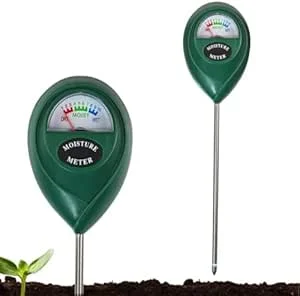 Soil moisture meterHelps check whether the root zone is actually ready for water.View on Amazon (paid link) ↗
 Digital hygrometerHelps track humidity and temperature around sensitive plants.View on Amazon (paid link) ↗Clip-on grow lightUseful for dim rooms, winter care, and plants stretching toward light.View on Amazon (paid link) ↗
As an Amazon Associate, HomePlantBot may earn from qualifying purchases.
Wilting and Curling Leaves
Drooping or curling leaves can alarm plant owners—but often, these signs are reversible once the cause is resolved.
Primary Causes
- Underwatering: Leaves curl or wilt to conserve moisture.
- Overwatering: Root suffocation leads to limpness and decay.
- Root Rot: Roots turn mushy and black, impairing water uptake.
- Drafts or Sudden Cold: Philodendrons dislike chilly air currents.
- Low Humidity: Dry air pulls moisture from foliage.
Remedies
- Ensure the top inch of soil dries out before the next watering.
- Inspect roots gently; trim blackened or mushy ones and repot in dry mix if needed.
- Relocate away from open windows or air vents.
- Add humidity with trays filled with water and pebbles, or by grouping with other plants.
Pests and Diseases
Common Pests
- Spider Mites: Fine webbing and speckled leaves.
- Mealybugs: White, cotton-like clumps near leaf joints.
- Aphids: Small green, white, or black bugs that cluster on new shoots.
- Scale: Brown, shell-like bumps on stems and undersides of leaves.
Common Diseases
- Bacterial Blight: Soft, black lesions with yellow halos.
- Root Rot: Associated with overwatering; roots turn slimy and gray-black.
- Leaf Spot Fungus: Circular tan or dark spots with defined edges.
How to Detect
- Inspect leaf undersides often for insects or abnormal textures.
- Look for clear warning signs like sticky residue (often from aphids) or fuzzy deposits.
- Stalled growth, leaf drop, or new spots are signs of deeper trouble.
How to Treat
- Isolate any affected plant to prevent spread to others.
- Use neem oil, insecticidal soap, or diluted rubbing alcohol for pest control.
- For fungal/root issues, repot the plant with sterile, well-draining soil and cut away infected roots.
- Wipe leaves monthly and keep airflow steady to reduce pathogen development.
Prevention Strategies
Most common problems can be prevented with consistent, thoughtful care. Here’s how to set your philodendron up for health:
- Watering: Stick to a routine that respects seasonal changes; always check moisture depth first.
- Lighting: Bright, indirect sunlight promotes healthy foliage and strong growth.
- Spacing: Improve air circulation by giving your plant room, especially around leaves.
- Humidity: Most philodendrons appreciate 50–70% humidity—add trays or groupings if air is dry.
- Leaf Cleaning: Wipe dust monthly with a soft damp cloth to reduce pests and improve photosynthesis.
- Routine Checks: Early signs let you correct small issues before they become serious.
For a deeper look at philodendron varieties and how their care requirements differ, check out our guide: Philodendrons Care Playbook: Vining vs. Climbing Types.
Conclusion
Philodendrons may be hardy and easy-going, but like all plants, they can face challenges. Timely identification of signs like yellowing leaves, curling, or pests makes a huge difference in your plant’s recovery.
Don’t panic when issues arise—many problems are reversible with quick adjustments to care. Keeping a simple plant journal to track waterings, changing light patterns, or treatments can make troubleshooting efficient and stress-free.
Have questions or encountered a tricky philodendron problem? Share your experience in the comments below—we’d love to help!
Subscribe for more plant care guides, troubleshooting tips, and indoor gardening inspiration delivered straight to your inbox.
Need help choosing the next care step?
If the symptoms in this article match your plant, use Plant Bot or the rescue checklist before buying anything. A quick diagnosis helps you fix the actual cause, not just the most visible symptom.
Quick decision checklist
- Check the growing conditions before changing everything.
- Adjust one care factor at a time.
- Use symptoms to guide the next step.
- Give the plant time to respond after corrections.