
HomePlantBot care guide
Snake Plant Soil & pot choice
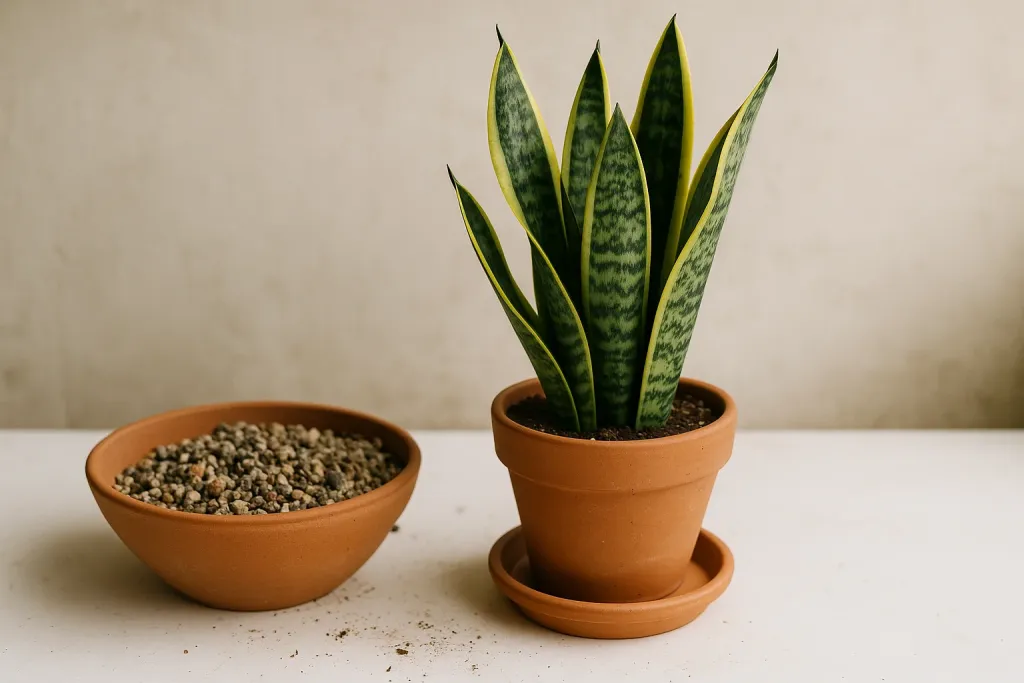
Snake plants, also known as Sansevieria or Dracaena trifasciata, are among the easiest houseplants to care for. With their upright, sculptural leaves and ability to thrive under low light and neglect, they’re perfect for home offices, lobbies, and anyone new to plant care. They’re also known for purifying indoor air, making them a favorite for workspaces and living areas.
What you’ll learn in this article
- How to choose the best soil mix for healthy snake plant roots
- What type of pot helps prevent overwatering and root rot
- Common potting mistakes and how to fix them
- Repotting and propagation tips for long-term success
Affiliate disclosure: HomePlantBot may earn from qualifying purchases through the Amazon links below, at no extra cost to you.
Introduction
Why Snake Plants Are a Smart Choice for Home or Office
Importance of Soil and Pot Choice
While snake plants are low maintenance, one area where many people go wrong is the soil and pot setup. These two elements determine how much water is retained, how much oxygen reaches the roots, and if the plant will experience problems like root rot or stunted growth. In short: a great pot and the right soil mix create the foundation for a healthy, long-lived plant.
What This Guide Covers
We’ll explore the ideal soil composition for snake plants, how to pick the right kind of pot, troubleshooting common issues like overwatering and poor drainage, and tips for propagation. For broader tips on watering, light, and fertilizing, check out our snake plant care playbook.
Snake Plant Basics
Quick Facts
- Scientific Name: Sansevieria (also known as Dracaena)
- Light: Tolerates low to bright indirect light
- Water: Infrequently – allow soil to dry out between waterings
- Not Pet Friendly: Can be toxic if ingested
Why Soil and Pot Matter
Snake plants’ natural resilience often hides how sensitive they are to poor potting setups. Because they store water in their leaves and roots, they’re highly susceptible to root rot when soil stays wet for too long or drains poorly. Choosing a breathable, well-draining soil mix and a container with proper drainage ensures your snake plant remains vibrant and disease-free.
Care Requirements: Getting the Soil and Pot Just Right
Ideal Snake Plant Soil Composition
The key to success is fast-draining, aerated soil. A basic bag of potting soil is too dense and absorbs too much moisture for a succulent-like plant. Instead, use a specialized mix designed for cacti or succulents, and amend with materials that improve aeration.
Recommended Mix:
- 2 parts cactus/succulent potting mix
- 1 part perlite or pumice
- 1 part coarse sand (avoid beach sand)
For a more DIY approach, combine ingredients from a nursery or garden center using the recipe above. The goal is a mix that feels airy, doesn’t clump when wet, and drains quickly.
Understanding Drainage and Aeration
Compacted soil holds water longer and deprives roots of oxygen. Signs of poor aeration include soggy soil days after watering or a sour smell coming from the pot. Agents like perlite, orchid bark, or pumice improve airflow and water movement through the root zone, which keeps roots dry but hydrated—just the way snake plants like it.
Best Pot Types for Snake Plants
Good drainage is non-negotiable—always choose a pot with one or more drainage holes.
| Pot Material | Pros | Cons |
|---|---|---|
| Terra Cotta | Porous; helps wick moisture away from roots | Dries out faster; can crack in cold climates |
| Plastic | Lightweight; retains moisture longer | May cause overwatering if not monitored |
| Ceramic (Glazed) | Stylish; retains moderate moisture | Often lacks drainage unless modified |
Pot Size Considerations
Snake plants are slow growers with compact root systems. A pot that’s too big retains excess moisture, increasing rot risk. Select a pot that is 1–2 inches wider than the root ball. If your plant’s roots are pushing out of the drainage holes or the plant gets top-heavy, it’s time to repot into a container one size up.
Best Practices for Repotting
Signs it’s time to repot include:
- Roots circling or growing out of drainage holes
- Soil dries out almost immediately after watering
- Plant appears cramped or toppling over
Repotting Steps:
- Choose a new pot 1–2 inches wider than the current one with good drainage
- Prepare fresh soil mix (as described above)
- Gently remove the plant and loosen root ball
- Place a layer of soil in the new pot, add the plant, and fill in lightly
- Water once, then wait until soil dries completely to water again
Helpful products for this care problem
Helpful products for soil and repotting
If this is the issue you are solving, these tools can make the next step easier. They are optional, but they match the care problem covered in this article.
 Indoor potting mixA useful base when refreshing compacted or tired soil.View on Amazon (paid link) ↗Repotting matKeeps indoor repotting and root checks cleaner.View on Amazon (paid link) ↗
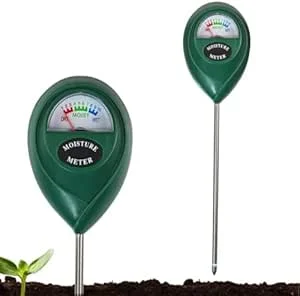 Soil moisture meterHelps check whether the root zone is actually ready for water.View on Amazon (paid link) ↗
As an Amazon Associate, HomePlantBot may earn from qualifying purchases.
Common Issues Related to Soil and Pots
Root Rot
Symptoms: Drooping yellow leaves, musty odor, mushy roots when inspected
Main cause: Poor drainage or soggy soil from overwatering. This is the top killer of indoor snake plants.
Overwatering vs. Underwatering
- Overwatering signs: soft or droopy leaves, dark base of leaves, foul smell
- Underwatering signs: curling or crispy leaf edges, slow growth
Well-draining soil prevents overwatering symptoms even when the watering schedule goes off-track.
Soil Compaction
Over time, soil can compact, which cuts off air flow. To test, stick a chopstick or skewer down into the soil — if it hits resistance or lifts solid chunks, the soil may be too compact. Fluff the top couple inches with your finger or top-dress with fresh mix every few months.
Cracked or Poor-Quality Pots
Old plastic pots can crumble or trap moisture. Avoid reusing pots that show signs of wear, lack drainage, or house previously diseased plants without disinfecting them first.
How to Course-Correct
- Emergency repot: Remove the plant, trim affected roots with sanitized scissors, and replant in dry, aerated mix.
- Dry out: If rot hasn’t set in, let the soil completely dry before next watering.
Propagation and Soil Choice
When to Propagate
Propagate snake plants during spring or early summer when root growth is most active. This gives your cuttings the head start they need to establish strong roots.
Effective Methods
The best method is by soil propagation using leaf cuttings. Water propagation may work, but transitioning rooted cuttings from water to soil often causes stress. Stick with soil for long-term success.
Soil Prep for New Cuttings
Use a looser version of the standard mix, with additional perlite or small bark. This encourages root development while preventing rot in young, vulnerable cuttings.
Potting New Plants
- Use small, shallow nursery pots
- Ensure firm but not compact soil contact with leaf base
- Lightly water and then let dry for several days
Conclusion
Key Takeaways
- Healthy snake plants start with well-draining, aerated soil
- Choose containers with drainage holes and an appropriate size
- Watch for signs of root stress and adjust your setup accordingly
Encourage Action
Whether you’re repotting an older plant or starting fresh with a cutting, soil and potting choices directly impact long-term health. Take a few minutes to check your current setup—your snake plant will thank you.
Click here for our complete Snake Plant Care Playbook to support every stage of growth and maintenance.
Quick Checklist: Potting a Snake Plant
- ✅ Pot has proper drainage
- ✅ Soil drains fast and includes aerating materials
- ✅ Pot size fits the current root ball snugly
- ✅ Repot if roots are crowded or soil is compact
Need help choosing the next care step?
If the symptoms in this article match your plant, use Plant Bot or the rescue checklist before buying anything. A quick diagnosis helps you fix the actual cause, not just the most visible symptom.
Quick decision checklist
- Refresh compacted mix before roots decline.
- Choose a pot size that matches the root ball.
- Check moisture deeper than the surface.
- Stabilize the plant after repotting before fertilizing.